What Are Fermentation Tanks?
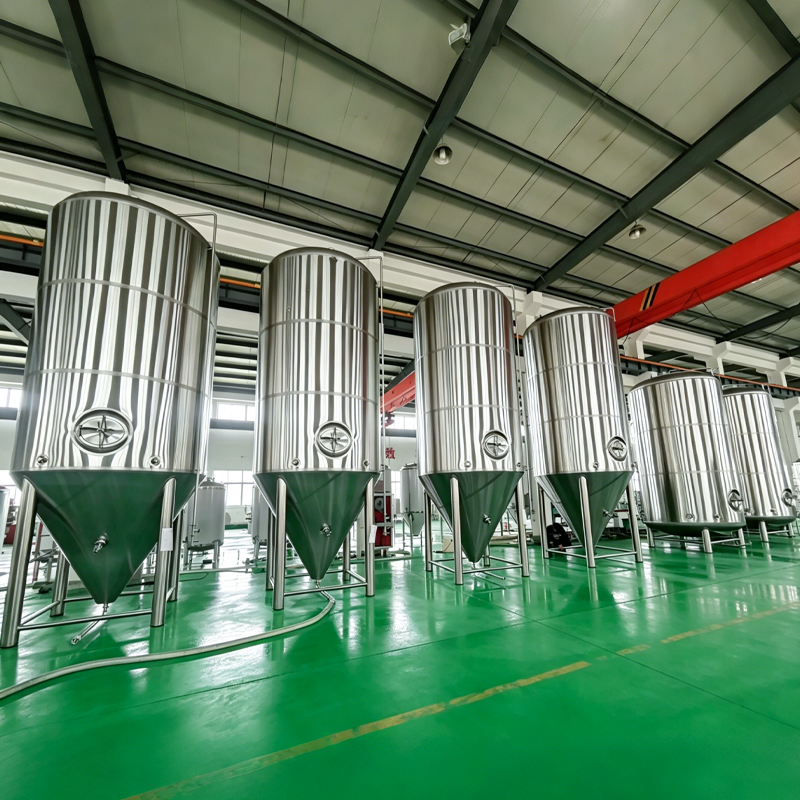
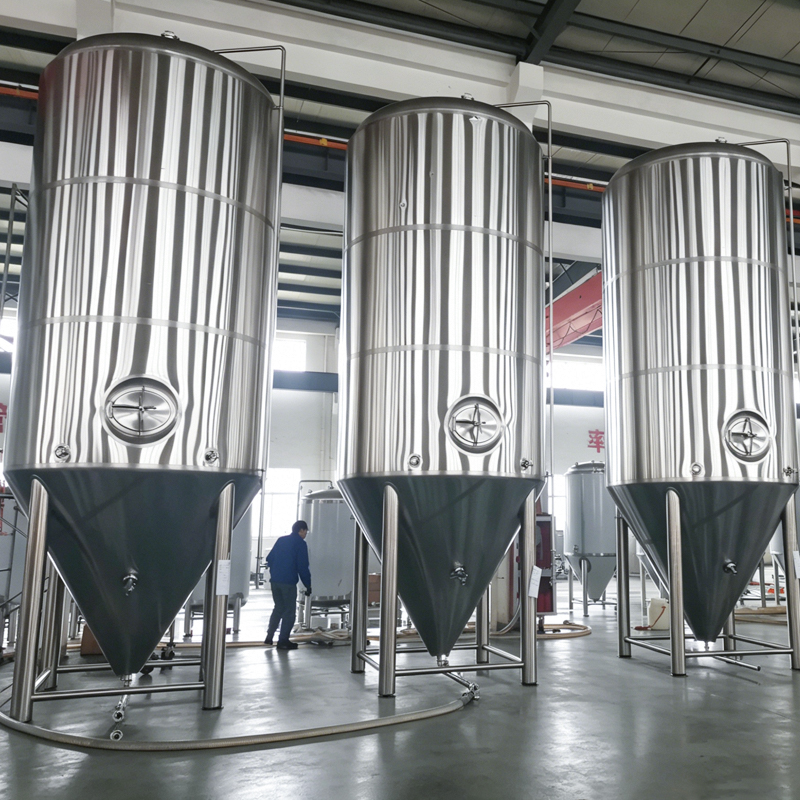
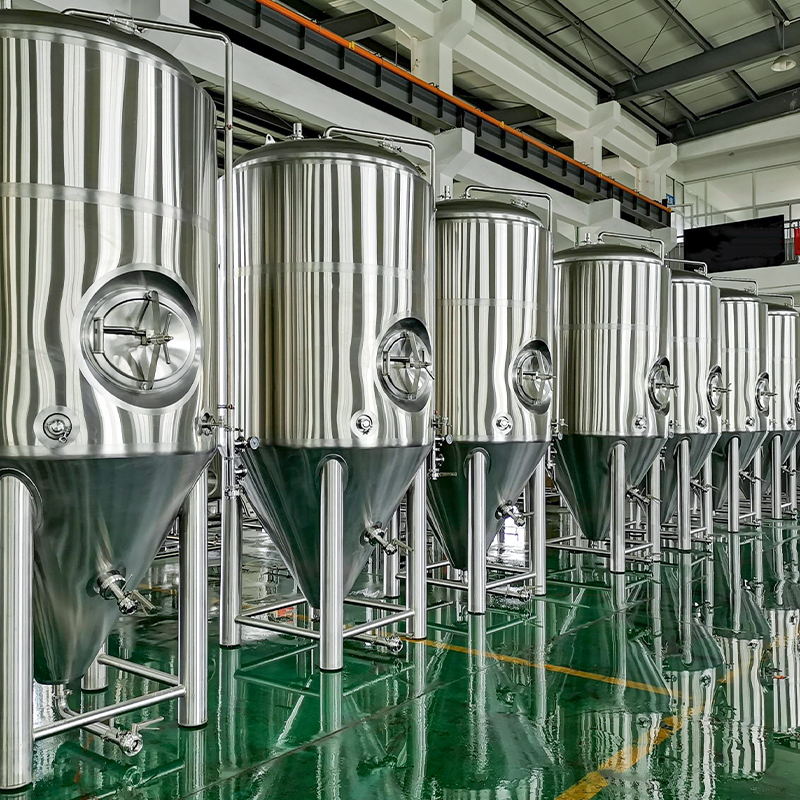
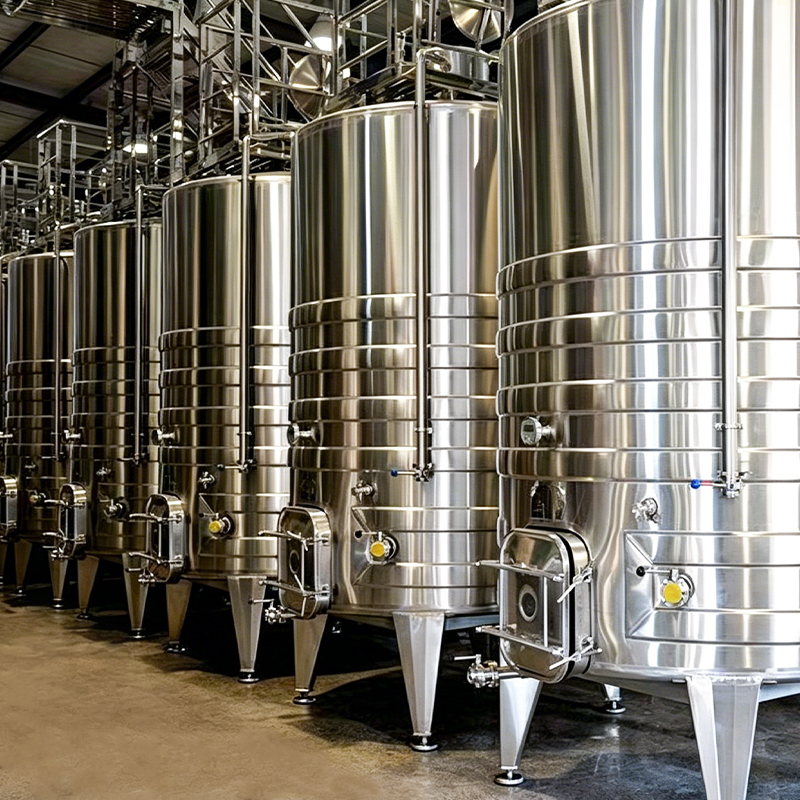
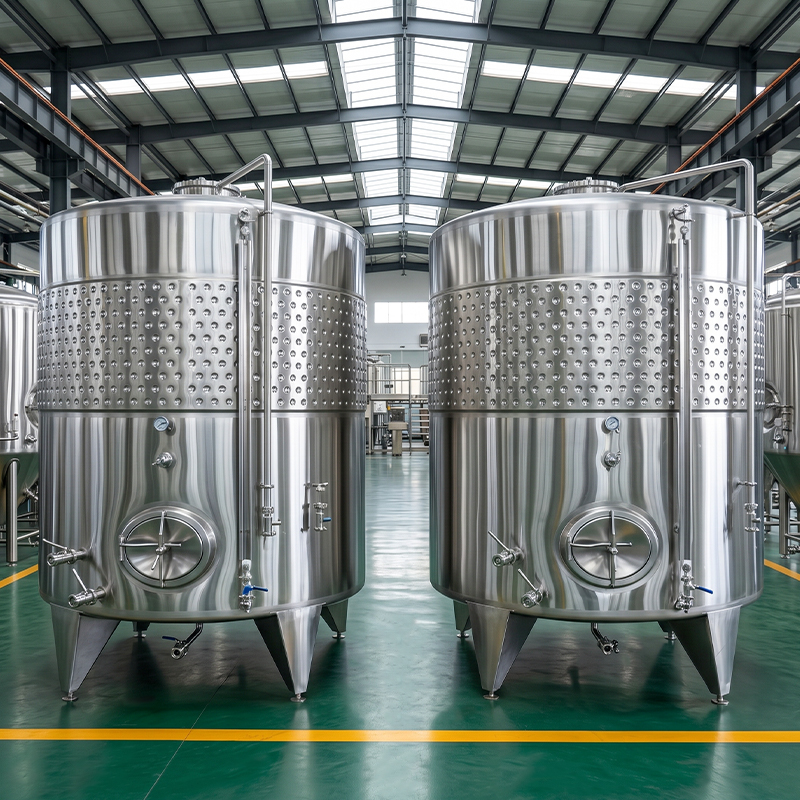
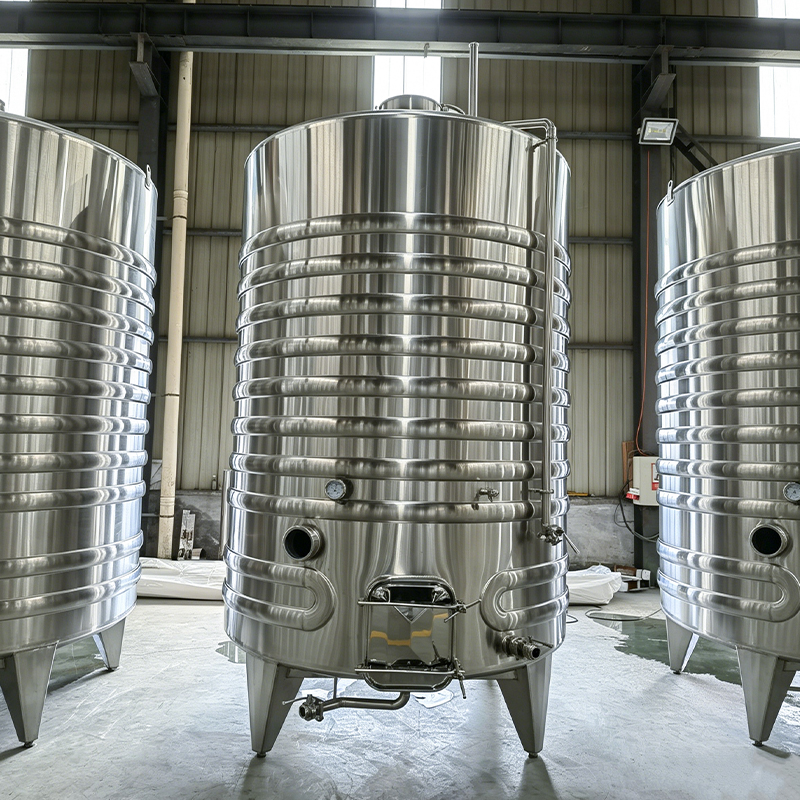
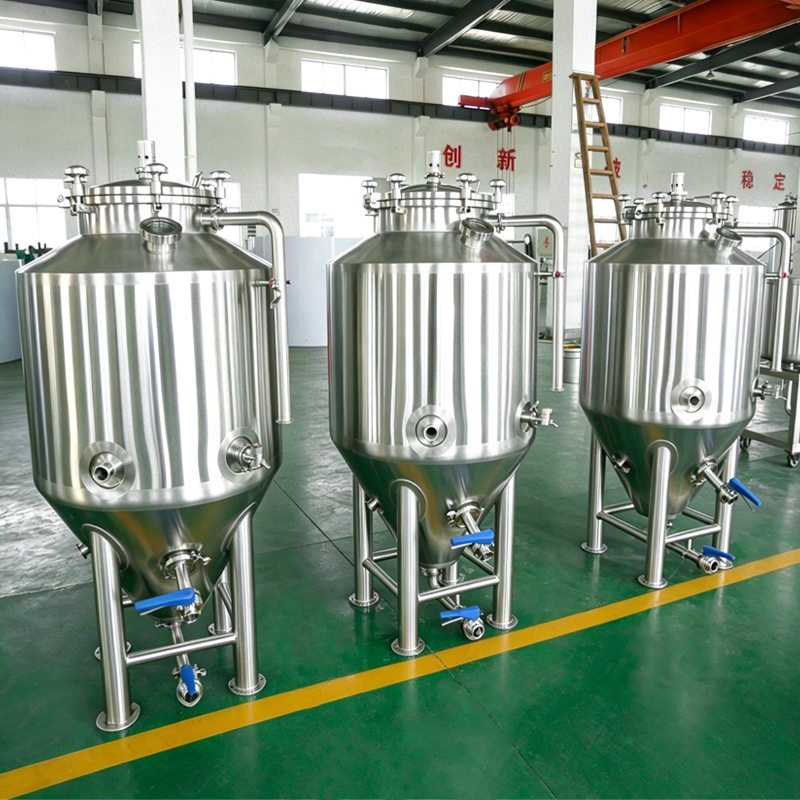
Fermentation tanks are sealed stainless steel vessels where yeast or bacterial cultures convert sugars into alcohol, acid, or other target compounds under controlled temperature and pressure. Used across brewing, winemaking, dairy culturing, and industrial biotechnology, fermentation tanks are engineered to maintain a stable environment throughout a process that can run anywhere from a few days to several weeks. Beyond holding the liquid, the tank's shape, cooling system, and pressure controls directly determine how consistent and predictable the final product turns out to be batch after batch.
Key Advantages of Modern Fermentation Tanks
- Precise temperature control through cooling jackets, which keeps yeast activity within the narrow range needed for clean, consistent flavor development
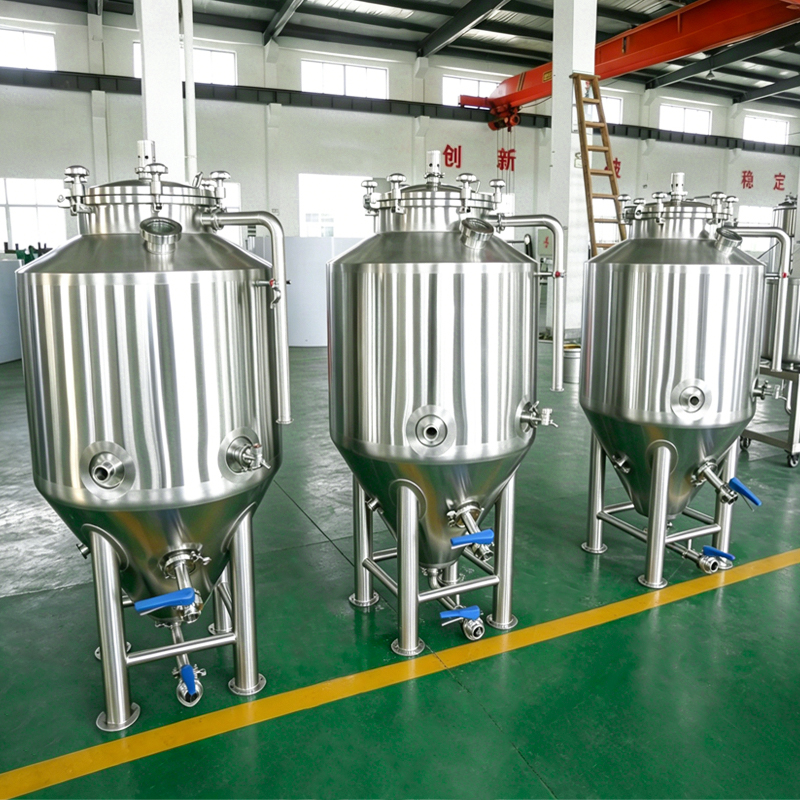
- Conical bottom designs that allow yeast to settle and be harvested or removed without opening the tank
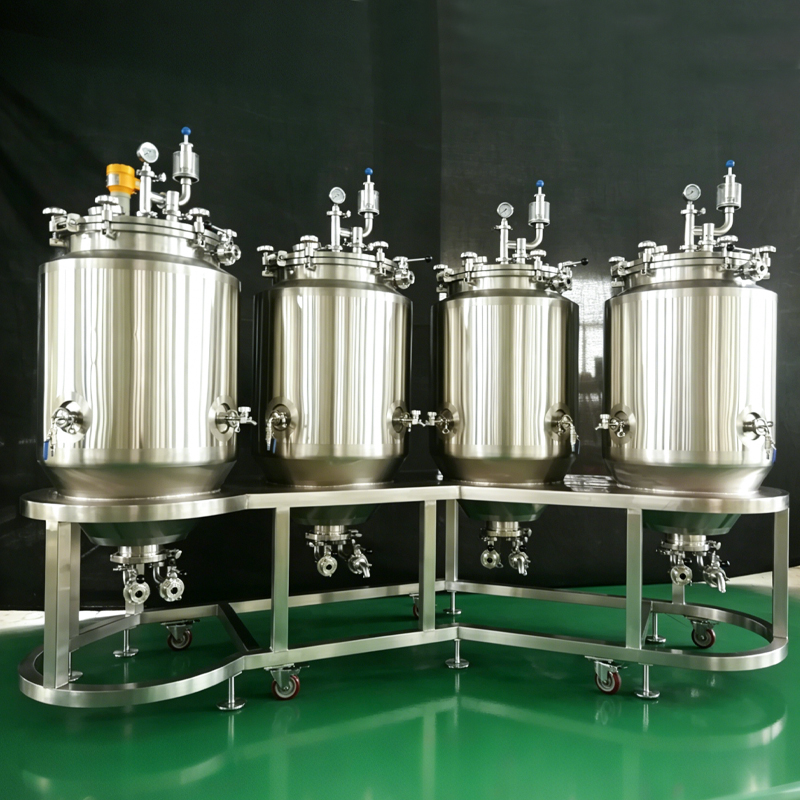
- Pressure-rated construction that supports natural carbonation and spunding, reducing the need for separate carbonation equipment
- Sanitary stainless steel surfaces that resist contamination and simplify CIP (clean-in-place) cleaning between batches
- Scalable sizing, from small pilot-batch vessels to large production tanks, supporting growth without redesigning the whole process
For breweries and beverage producers scaling up production, consistent temperature control is one of the biggest variables affecting product quality—even a few degrees of drift during active fermentation can shift flavor compounds enough to be noticeable to trained tasters, which is why jacketed, well-insulated tanks remain the industry standard.
How Fermentation Tanks Work
The working principle behind a fermentation tank centers on managing three variables simultaneously: temperature, pressure, and contact time. Once the base liquid and cultures are transferred into the tank, the process generally follows this sequence:
Typical stages of the fermentation tank process cycle
| Stage |
What Happens |
| Pitching |
Yeast or culture is introduced into the base liquid |
| Active fermentation |
Sugars convert to alcohol and CO2, generating heat that the cooling jacket removes |
| Conditioning |
Temperature is lowered gradually to settle yeast and refine flavor |
| Harvesting and transfer |
Yeast is drawn off the conical bottom before the product moves to the next stage |
Integrated Brewing and Fermentation Production Systems
Rather than operating fermentation tanks as standalone vessels, many producers now specify an integrated brewing and fermentation production system, where the brewhouse, fermentation tanks, cooling infrastructure, and CIP station are engineered together as a single coordinated line. This integration offers several practical benefits:
- Consistent piping and sanitary fittings across the brewhouse and fermentation tanks reduce transfer contamination risk
- Shared glycol cooling and control systems lower both equipment cost and energy consumption compared to separately sourced components
- Centralized automation allows temperature, pressure, and CIP cycles to be monitored and adjusted from a single control panel
- Faster commissioning, since the system arrives pre-engineered to work together rather than requiring on-site integration of separately purchased tanks
This approach is especially valuable for breweries scaling from pilot production to full commercial volume, where matching component compatibility manually across multiple suppliers can introduce delays and added engineering cost.
Choosing the Right Fermentation Tank Configuration
- Select tank capacity based on batch size, with headspace of roughly 20-25% to accommodate foam and CO2 buildup during active fermentation
- Choose a pressure rating suited to the desired carbonation method, since naturally carbonated products require a higher-rated vessel than still products
- Specify a cooling jacket zone count appropriate to the tank height, allowing more precise temperature control in taller fermenters
- Confirm sanitary fitting standards match the rest of the production line for CIP compatibility
About YME Equipment Co., Ltd
YME Equipment Co., Ltd is a China-based OEM/ODM fluid process equipment manufacturer and brewery equipment supplier with over 20 years of experience, providing comprehensive brewery solutions from brewhouse and fermentation tanks to CIP stations and full water treatment. YME's designers, engineers, and production staff continuously train to stay at the forefront of industry technology, allowing the company to deliver tailored fermentation tanks and integrated brewing and fermentation production systems adapted to projects of any size and complexity. YME's stainless steel equipment has been exported to Europe, North America, Australia, and Asia, supported by long-term partnerships built on consistent quality and technical reliability.
Frequently Asked Questions
Q1: What size fermentation tank is appropriate for a small brewery?
Small breweries typically start with fermentation tanks in the 500 to 2,000-liter range, scaling up as batch demand grows and production volume becomes more predictable.
Q2: Why do fermentation tanks have conical bottoms?
The conical shape allows yeast and sediment to settle and be drawn off through a bottom valve, keeping the tank clean without requiring the vessel to be opened or emptied manually.
Q3: What is the benefit of an integrated brewing and fermentation production system over separate equipment?
An integrated system ensures consistent sanitary fittings, shared cooling infrastructure, and centralized process control, which reduces contamination risk and simplifies both installation and daily operation.
Q4: How is temperature controlled inside a fermentation tank?
Most fermentation tanks use a glycol-cooled jacket wrapped around the vessel, allowing precise heat removal during active fermentation to keep the culture within its optimal temperature range.



 English
 русский
 عربى
عربى