Products

Industrial Pasteurizer Factory
Home / Products / Pasteurizers

Stainless Steel Pasteurizers Manufacturer

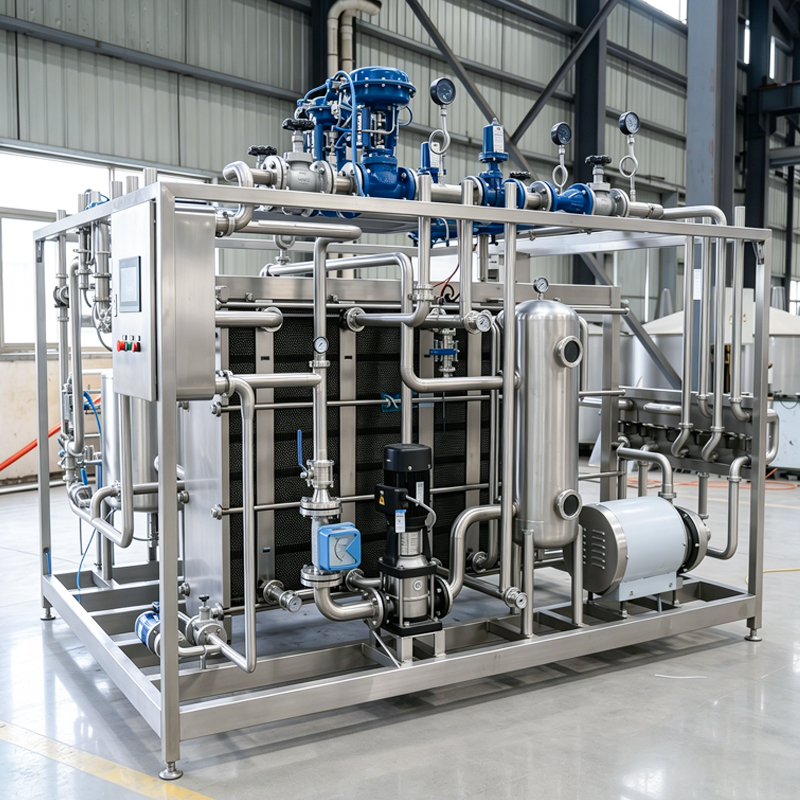
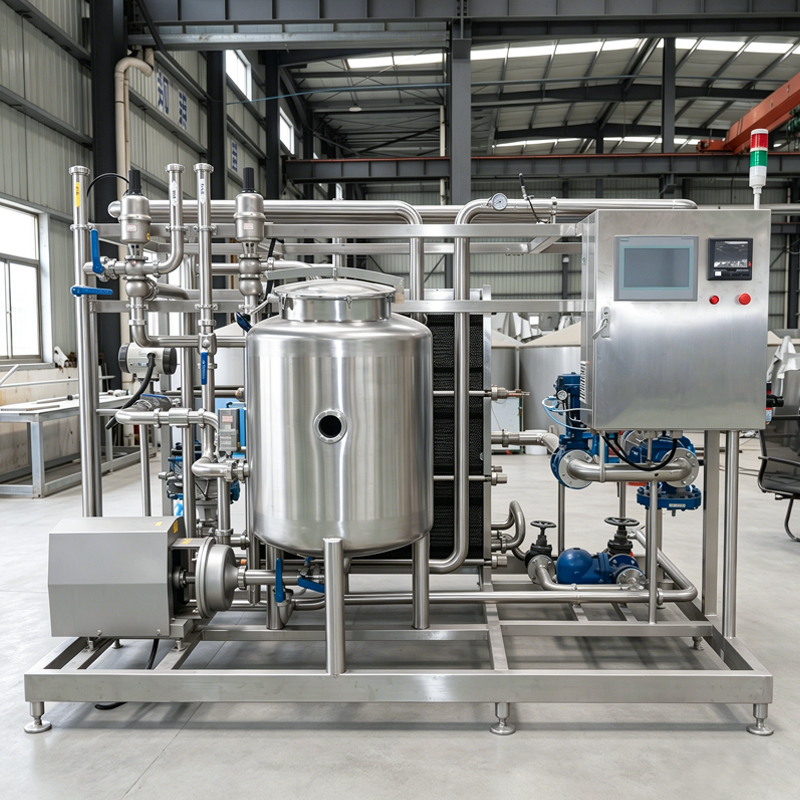
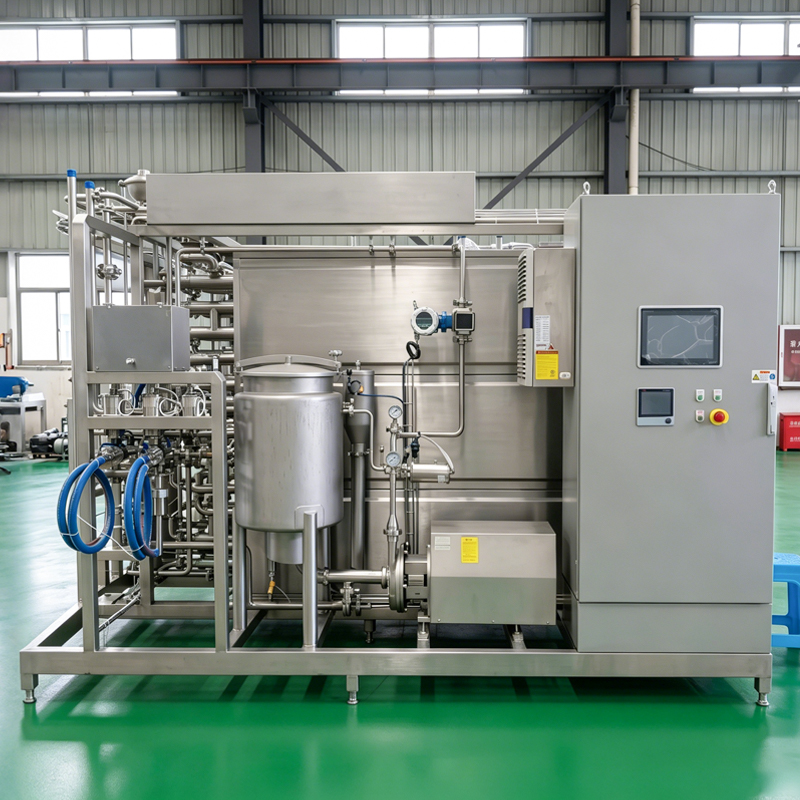
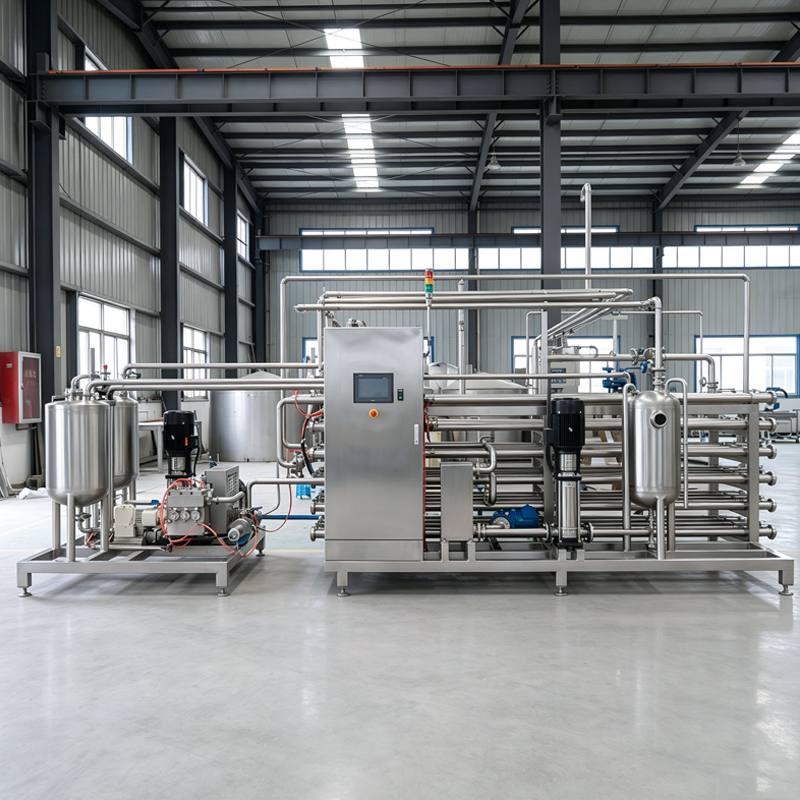
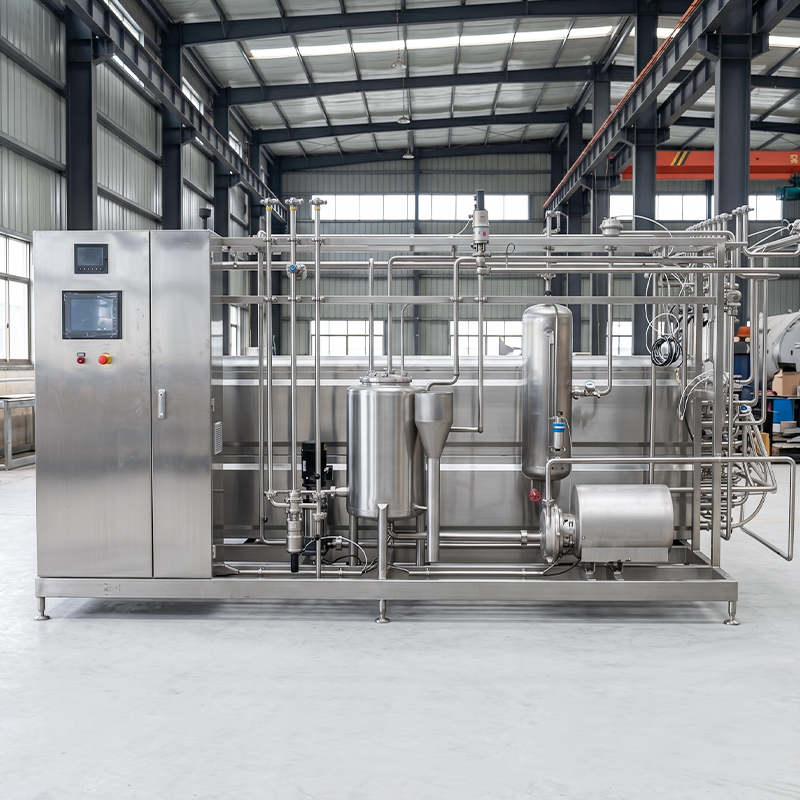
Ningbo Yuanlong (YME) is a premier manufacturer specializing in the engineering and fabrication of professional-grade stainless steel Pasteurizers, providing precision thermal processing solutions for global food, beverage, and dairy industries. Adhering to strict FDA, GMP, and ASME standards, our pasteurization portfolio encompasses a wide range of high-efficiency systems—from integrated Plate Pasteurizers for low-viscosity fluids to heavy-duty Tubular Pasteurizers designed for high-viscosity products with fibers or particulates. We excel in delivering advanced thermal engineering, utilizing integrated PLC control systems to ensure precise holding times and sterilization temperatures while maximizing energy recovery through high-performance heat exchangers. Every YME pasteurization unit is constructed from SS304/316L with sanitary Ra < 0.4μm internal finishes, featuring automated diverted valves and multi-stage cooling to guarantee absolute biological safety. Leveraging our advanced OEM/ODM manufacturing capabilities, we provide scalable infrastructure for Dairy Processing (Milk & Cream), Juice & Beverage, Liquid Egg, and Brewed Condiments, delivering industrial-grade reliability to extend product shelf life and ensure consistent quality.

YME Equipment Co., Ltd.
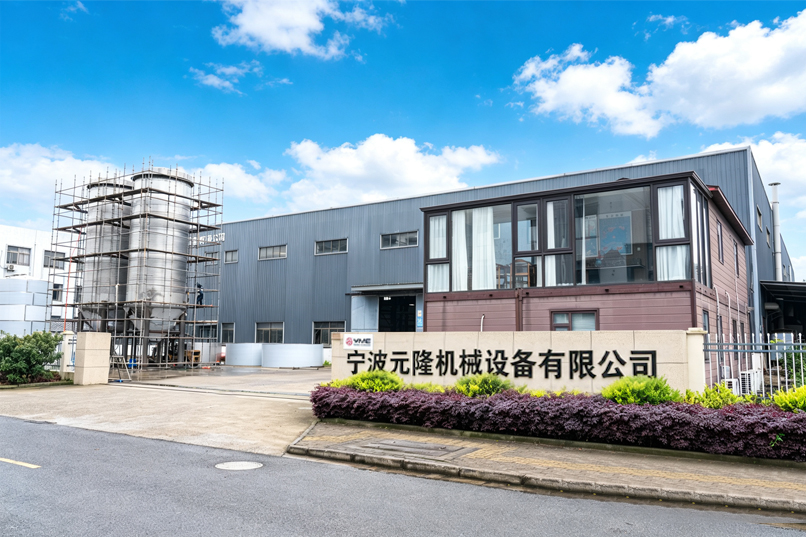
Founded in 2001, YME is headquartered in Ningbo, Zhejiang, China. We are a China Stainless Steel Pasteurizers Manufacturer and Industrial Pasteurizer Factory, primarily stainless steel processing business with a modern manufacturing facility covering 6000m3. In recent years, our company has become one of the leaders in the stainless steel products industry, earning wide recognition from customers for our high-quality products and excellent service.
YME's success is built on the strength of our dedicated team—a group of passionate professionals who combine deep industry experience with a relentless drive for innovation. Our designers, engineers, and production staff are not only highly skilled but also continuously undergo advanced training to stay at the forefront of industry trends and technologies. This commitment to excellence allows us to adapt seamlessly to projects of any size and complexity, delivering tailored solutions with precision and creativity. It's this blend of expertise, forward-thinking, and collaborative spirit that enables us to consistently exceed client expectations and bring visionary ideas to life.
Our reach extends across the globe—from manufacturing hubs in Asia to developed markets in Europe, North America, and Australia. This widespread acceptance is the direct result of the lasting partnerships we've cultivated with customers in every region we serve. By consistently providing stainless steel equipment of unparalleled quality, we have built a foundation of trust that looks to the future. Looking ahead, we are committed to strengthening these bonds and expanding our global family, united by a shared vision for excellence.
YME's success is built on the strength of our dedicated team—a group of passionate professionals who combine deep industry experience with a relentless drive for innovation. Our designers, engineers, and production staff are not only highly skilled but also continuously undergo advanced training to stay at the forefront of industry trends and technologies. This commitment to excellence allows us to adapt seamlessly to projects of any size and complexity, delivering tailored solutions with precision and creativity. It's this blend of expertise, forward-thinking, and collaborative spirit that enables us to consistently exceed client expectations and bring visionary ideas to life.
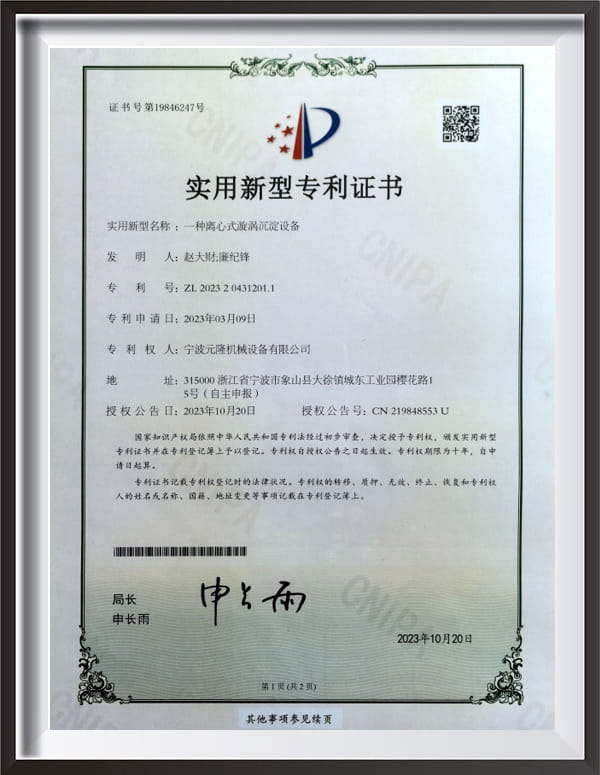
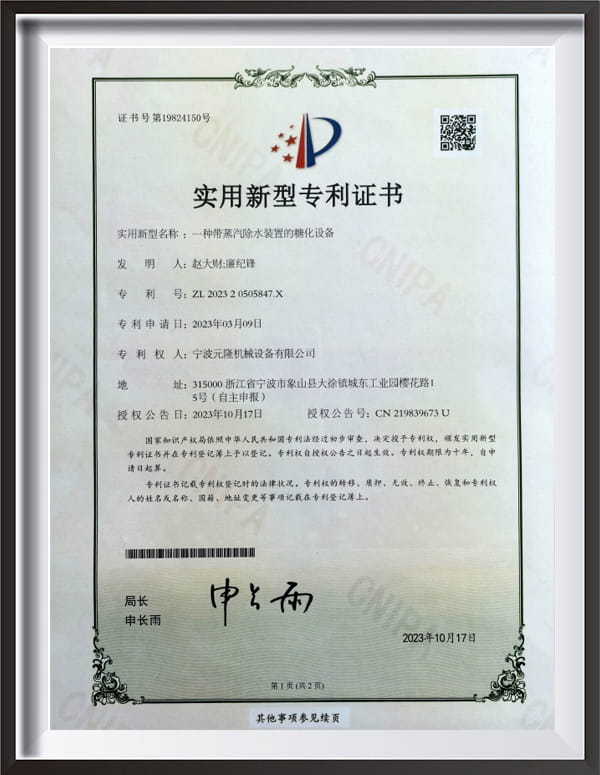
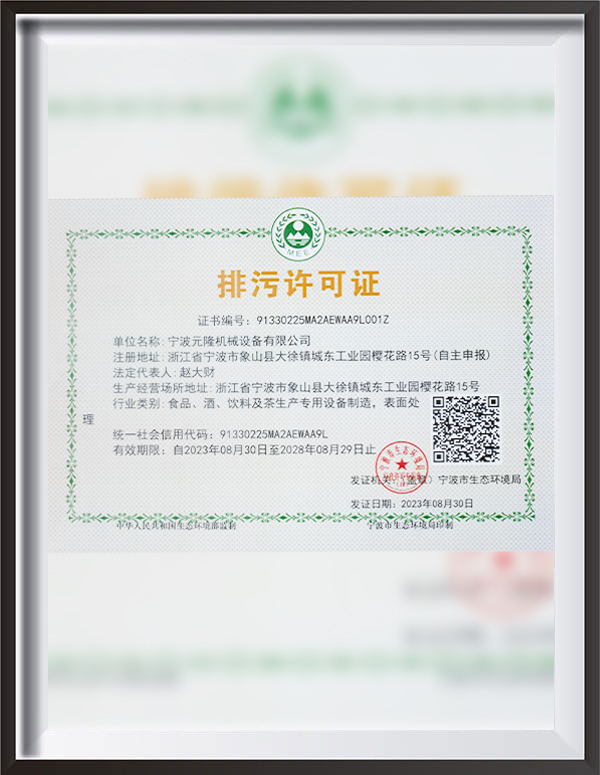
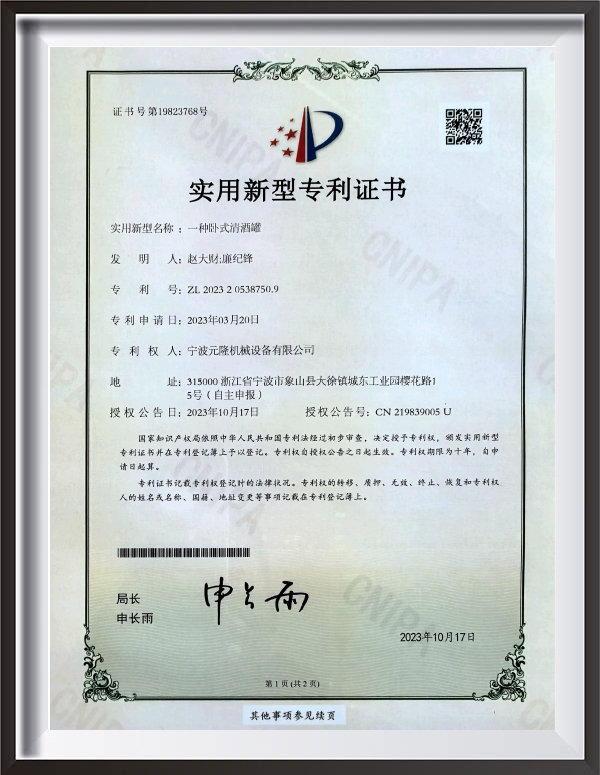
Certificate Of Honor
  • Certificate
  • Certificate
  • Certificate
  • Emissions Permit
News
  • What Does a Fermentation Tank Do? The Direct Answer A fermentation tank creates and maintains a controlled environment where microorganisms — typically yeast or bacteria — convert sugars into alcohol, carbon dioxide, acids, or other byproducts through a biochemical process called fermentation. The ...

    READ MORE
  • What Are the Different Types of Storage Tanks? Quick Answer Storage tanks are generally classified by three factors: construction material, shape and orientation, and pressure or temperature design. The most common categories are stainless steel storage tanks, vertical and horizontal tanks, single-...

    READ MORE
  • What Is a Mixing Tank? The Direct Answer A mixing tank is an enclosed or open vessel — typically fabricated from stainless steel — that uses a rotating agitator to blend liquids, powders, or a combination of both into a homogeneous mixture. The tank provides the containment and structural body, whi...

    READ MORE
Pasteurizers Industry knowledge

What Are Pasteurizers and How Do They Protect Product Safety?

Pasteurizers are process systems that heat liquid products to a specific temperature for a set holding time to eliminate harmful pathogens and spoilage organisms, then cool the product quickly to preserve quality. Used across dairy, juice, beer, and other beverage production, pasteurization extends shelf life and ensures food safety without relying on preservatives. Stainless steel pasteurizers are the standard choice for this process because the material withstands repeated high-temperature cycles, resists corrosion from acidic products, and meets the sanitary surface requirements demanded by food safety regulations worldwide.

Key Advantages of Stainless Steel Pasteurizers

  • Corrosion resistance under continuous exposure to heat, acidic juices, and cleaning chemicals
  • Efficient heat transfer through plate or tubular heat exchanger designs, reducing energy consumption per batch
  • Sanitary construction that supports CIP (clean-in-place) cleaning between production runs
  • Precise temperature control, which is essential since under-pasteurization risks food safety while over-pasteurization can degrade flavor and nutritional value
  • Durability that supports years of continuous industrial use without the corrosion issues common to lower-grade materials

Because pasteurization directly affects product safety, consistent temperature holding is non-negotiable—a stainless steel pasteurizer with reliable temperature control and automated monitoring reduces the risk of a batch falling short of required safety parameters.

How Pasteurizers Work

Pasteurization systems generally follow three stages: heating the product to target temperature, holding it for a defined time, and rapidly cooling it to halt further thermal effects. The two most common industrial approaches are:

Comparison of common industrial pasteurization methods
Method Process Style Typical Use
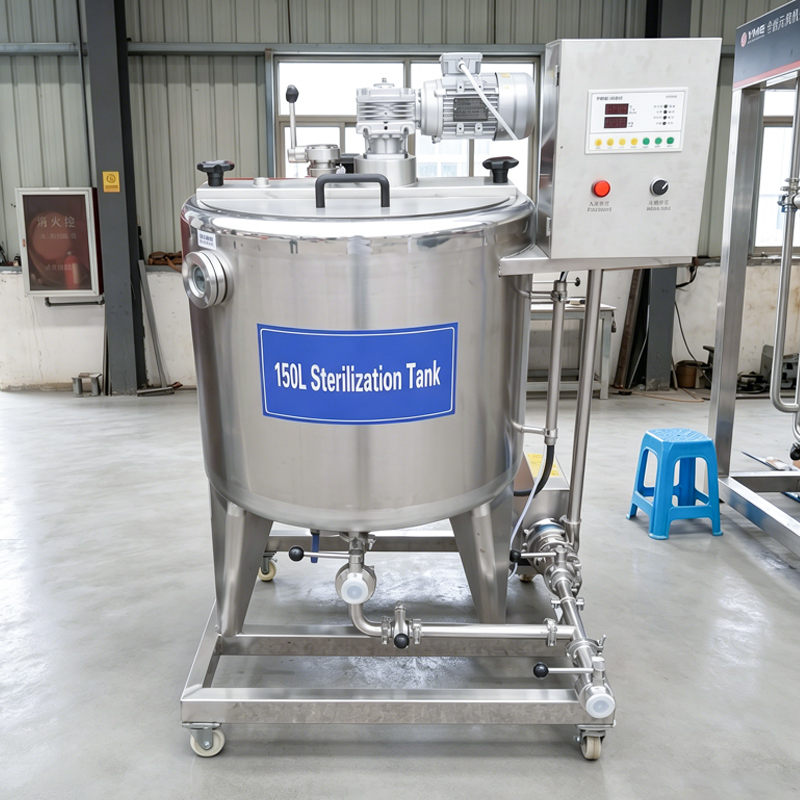
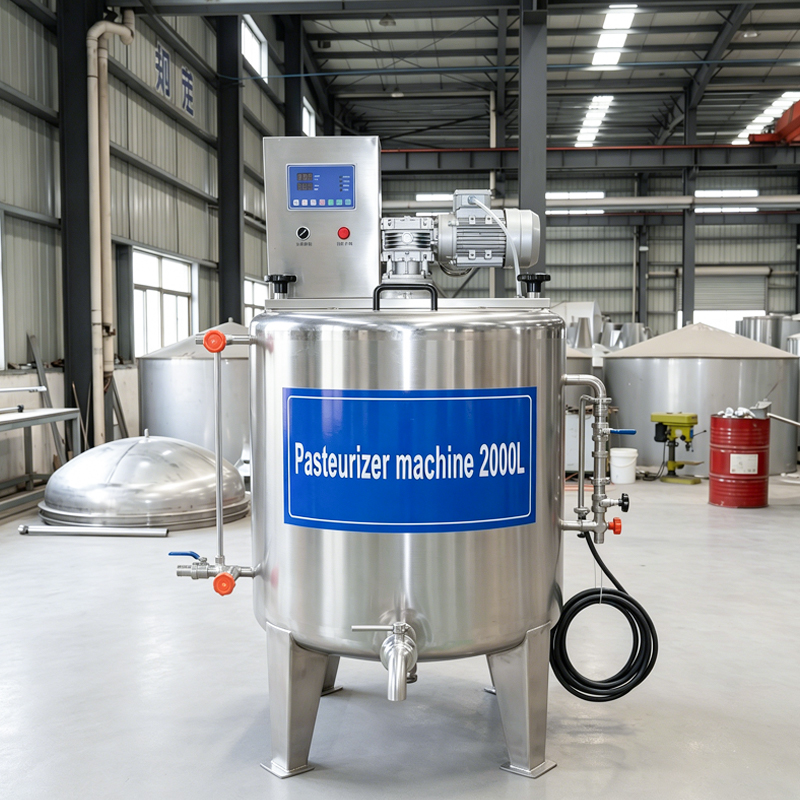
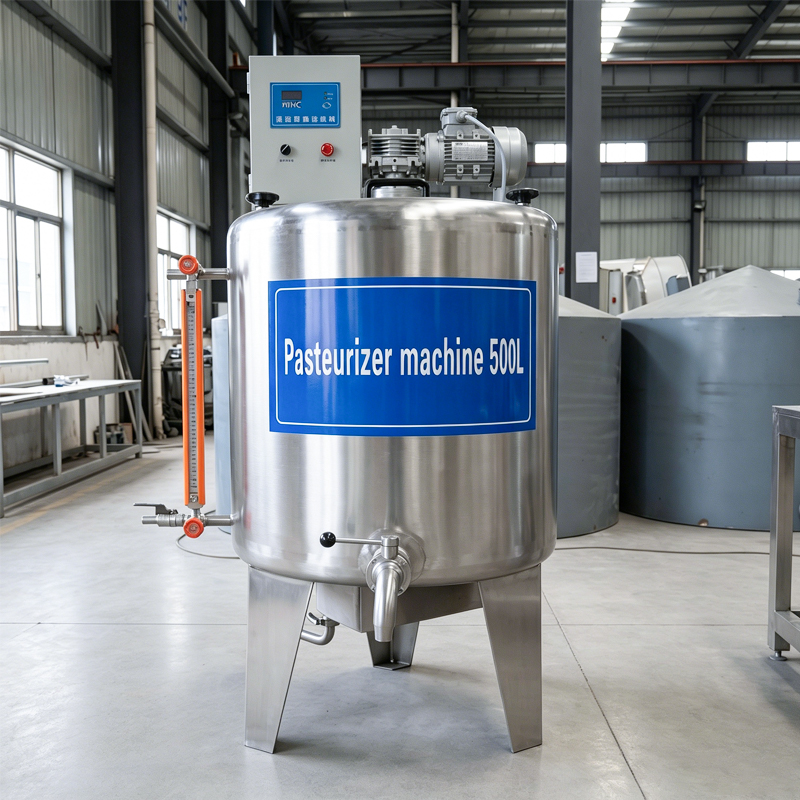
Batch (vat) pasteurization Product heated and held in a single jacketed tank Small-scale dairy, craft beverage producers
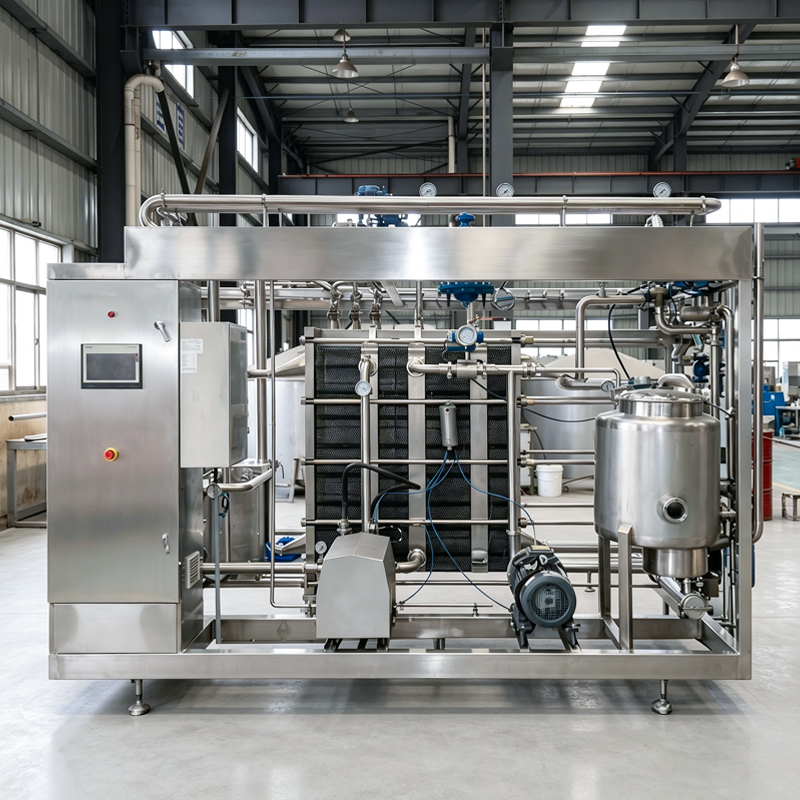
HTST (High Temperature Short Time) Continuous flow through a plate heat exchanger Medium to large-scale commercial production

In an HTST system, the product flows continuously through heating, holding, and cooling sections of a plate heat exchanger, with the holding tube length and flow rate calibrated to guarantee the required contact time at temperature—commonly around 72°C for roughly 15 seconds for standard milk pasteurization, though exact parameters vary by product and regulatory standard.

Choosing Between Batch and Continuous-Flow Pasteurizers

  1. Assess production volume: batch pasteurizers suit lower throughput, while continuous HTST systems handle higher daily volumes more efficiently.
  2. Consider product variety: batch systems offer more flexibility for facilities frequently switching between different recipes or product types.
  3. Evaluate energy efficiency needs: plate heat exchangers in HTST systems typically recover heat more efficiently than single-tank batch heating.
  4. Factor in floor space and budget, since continuous-flow systems generally require more upfront investment but lower per-unit processing cost at scale.

Integrating Pasteurizers into a Production Line

Stainless steel pasteurizers rarely operate in isolation. In most facilities, the pasteurizer connects directly to upstream mixing or storage tanks and downstream filling or packaging equipment, with sanitary piping and CIP-compatible fittings maintaining hygienic conditions throughout the transfer. Integrating pasteurization with automated temperature logging also supports regulatory compliance, since production records demonstrating consistent time-and-temperature performance are often required for food safety audits and certifications.

About YME Equipment Co., Ltd

YME Equipment Co., Ltd is a China-based OEM/ODM fluid process equipment manufacturer and brewery equipment supplier with over 20 years of experience, providing stainless steel pasteurizers alongside comprehensive brewhouse, fermentation, and CIP station solutions. YME's designers, engineers, and production staff continuously undergo advanced training to stay at the forefront of food processing technology, allowing the company to adapt pasteurizer specifications to projects of varying batch size and complexity. YME's stainless steel equipment has been exported to Europe, North America, Australia, and Asia, supported by long-term partnerships built on consistent quality and reliable technical support.

Frequently Asked Questions

Q1: What is the main difference between batch and HTST pasteurizers?
Batch pasteurizers heat and hold product in a single tank, while HTST pasteurizers process product continuously through a plate heat exchanger, making HTST more efficient for higher-volume production.

Q2: Why is stainless steel used for pasteurizer construction?
Stainless steel resists corrosion from repeated high-temperature cycles and acidic products, while also meeting the sanitary surface finish requirements needed for food-safe processing equipment.

Q3: Can one pasteurizer handle different products like milk, juice, and beer?
Many batch pasteurizers can process multiple product types with adjusted temperature and hold-time settings, though continuous HTST systems are often optimized for a narrower product range for maximum efficiency.

Q4: How is pasteurization performance verified?
Automated temperature and flow monitoring systems log each cycle's time-and-temperature data, providing documentation used to confirm the process met required food safety parameters.

YME Equipment