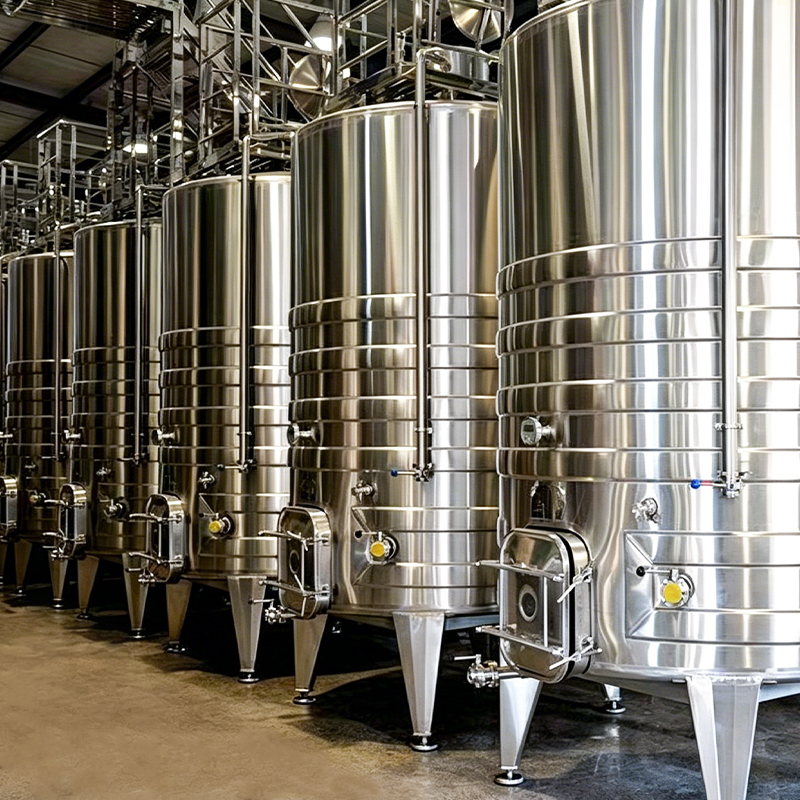
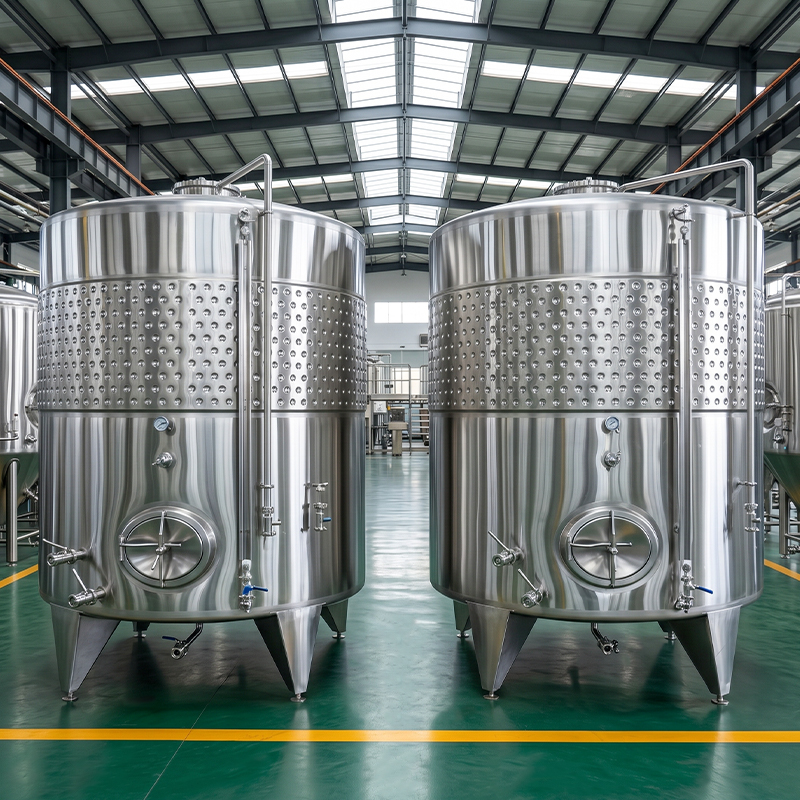
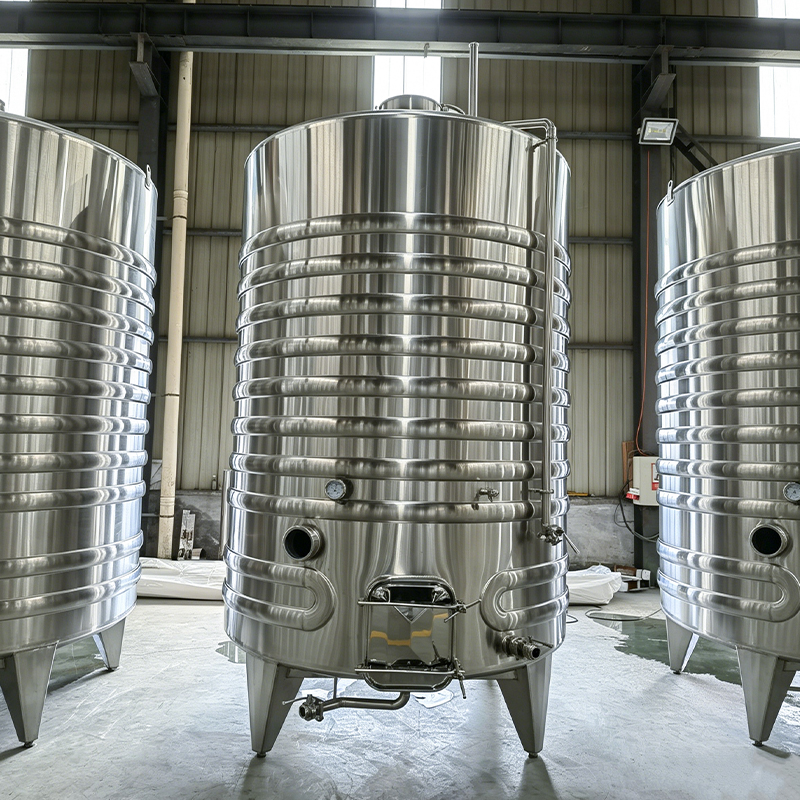
What Are Wine & Fruit Cider Fermenters?
Wine & Fruit Cider Fermenters are versatile stainless steel vessels designed to handle fermentation across grape wine and a broader range of fruit-based ciders, including apple, pear, and mixed-fruit blends. Rather than being built for a single product, these fermenters are engineered with adjustable features — such as removable cap management screens and variable pressure ratings — that let a single tank switch between wine must and fruit juice fermentation depending on the season and product lineup.
This flexibility matters most for smaller wineries and cideries that produce multiple product lines but cannot justify a dedicated tank for every fruit variety or wine style they process throughout the year.
Key Advantages of Multi-Purpose Wine and Fruit Cider Fermenters
Choosing a fermenter built to handle both wine and fruit cider brings clear efficiency benefits to mixed-production facilities.
- Higher tank utilization — the same vessel can run grape wine fermentation in one season and fruit cider in another, instead of sitting idle between crop cycles
- Lower total equipment investment compared to purchasing separate dedicated tanks for each fruit or wine style
- Consistent hygienic performance across product types, since the stainless steel interior does not retain flavor from previous batches when properly cleaned
- Adjustable pressure rating that supports both still wine and naturally carbonated sparkling cider in the same vessel family
- Simplified production planning, since scheduling isn't constrained by product-specific tank availability
Grape wine fermentation typically involves skins, seeds, and pulp floating to the surface as a "cap" that needs periodic punch-downs or pump-overs to keep tannins and color extracting evenly. Fruit cider fermentation, by contrast, usually starts from pressed and clarified juice with far less solid material, so the same tank can often run cider fermentation without needing its cap management features engaged at all.
Because fruit sugar content and acidity vary significantly between apples, pears, and grapes, the fermenter's temperature control system needs enough range and responsiveness to suit each fruit's ideal fermentation profile — typically cooler and slower for delicate fruit aromatics, and warmer for extracting deeper color and tannin from red grape must.
Switching Between Wine and Cider Production Runs
A thorough CIP cleaning cycle between production runs is essential when switching fruit types, since residual pigment, tannin, or pectin from a previous batch can affect the clarity and flavor of the next. Tanks designed for multi-fruit use typically include full-coverage spray balls to reach every interior surface, including any removable internal screens used for cap management.
Comparing Fermentation Needs by Fruit Type
The table below outlines general fermentation characteristics that a versatile wine and fruit cider fermenter needs to accommodate.
General fermentation characteristics by fruit type in wine and fruit cider production
| Fruit Base |
Cap Management Needed |
Typical Fermentation Temp |
| Red grape wine |
Yes, frequent punch-down/pump-over |
20–28°C |
| White grape wine |
Minimal, juice pressed early |
12–18°C |
| Apple cider |
Not typically needed |
10–18°C |
| Mixed fruit cider |
Minimal, depends on pulp content |
10–16°C |
Industry Applications and Manufacturing Expertise
Wine and fruit cider fermenters are particularly valuable for wineries and cideries that diversify their product range across seasonal fruit availability, allowing a single facility to run grape wine, apple cider, and other fruit-based ferments using shared equipment. This flexibility supports smaller producers who need to maximize the return on every tank they own.
As a China-based OEM/ODM manufacturer of fluid process and brewery equipment with over 20 years of industry experience, YME Equipment Co., Ltd designs and manufactures wine and fruit cider fermenters engineered for flexible, multi-product use across varying production scales. YME's designers, engineers, and production staff continuously undergo advanced training to stay current with fermentation process trends, allowing the company to adapt tank features to projects of any size and complexity. YME's stainless steel equipment has been exported to customers across Europe, North America, Australia, and Asia, supported by long-term partnerships built on consistent product quality and precise, tailored engineering.
Frequently Asked Questions
Q1: Can the same fermenter really be used for both wine and cider without contamination risk?
Yes, provided a thorough CIP cleaning cycle is completed between batches, since stainless steel's non-porous surface does not retain flavor compounds the way wood or plastic can.
Q2: Does fruit cider fermentation need the same cap management as red wine?
No, most fruit cider is fermented from pressed and clarified juice, so the extensive cap management features needed for red wine's grape skins are rarely required.
Q3: How does temperature range affect the choice of fermenter for different fruits?
Fermenters used across wine and fruit cider need a wide, responsive temperature control range, since red wine often ferments warmer for tannin extraction while delicate fruit ciders typically ferment cooler to preserve aroma.
Q4: Is a pressure-rated fermenter necessary for sparkling cider?
Yes, if natural carbonation is intended to be retained in the final product, the tank needs a pressure rating suited to holding CO2 rather than venting it off as with still wine fermentation.



 English
 русский
 عربى
عربى