Products

Custom Tunnel Pasteurizers & Coolers
Home / Products / Pasteurizers / Tubular & Tunnel Pasteurizers Systems / Tunnel Pasteurizers & Coolers

Tunnel Pasteurizers & Coolers Supplier

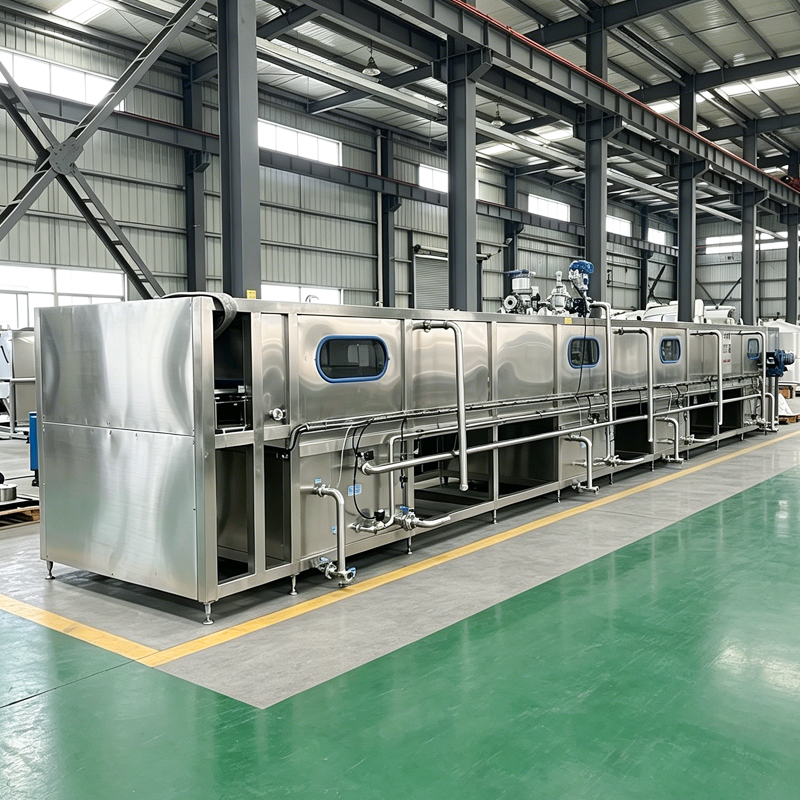
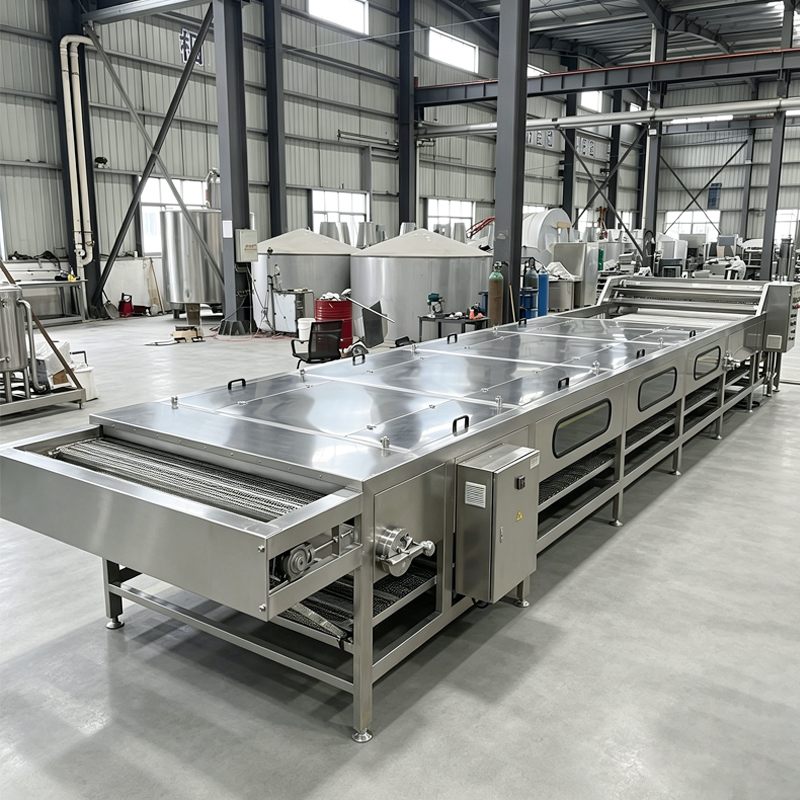
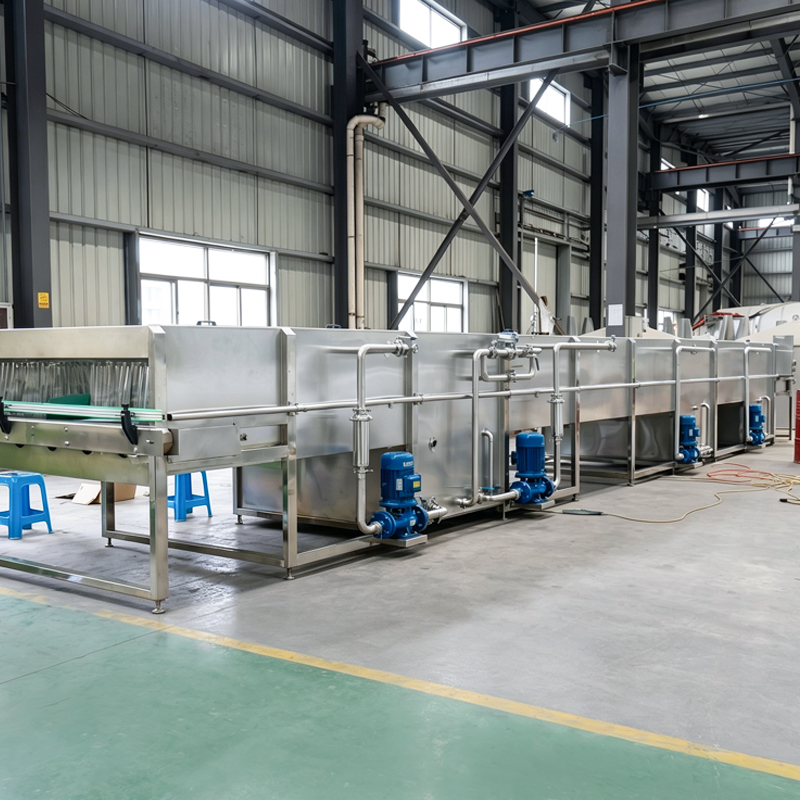
·Technical Advantages: A post-packaging sterilization solution featuring a Multi-zone Spray system. The tunnel is divided into several temperature zones (heating, sterilizing, and gradual cooling) to prevent thermal shock and container breakage while ensuring the entire core of the product is treated.
·Unique Selling Points (USPs): Designed for high-volume automated lines where products are already in bottles or cans. It effectively extends shelf life without the need for aseptic filling rooms. The system is equipped with water recycling modules to minimize total water usage during the warming and cooling phases.
·Industrial Applications: Mass-volume production of Bottled/Canned Beer, glass-packed condiments, and shelf-stable carbonated beverages.

YME Equipment Co., Ltd.
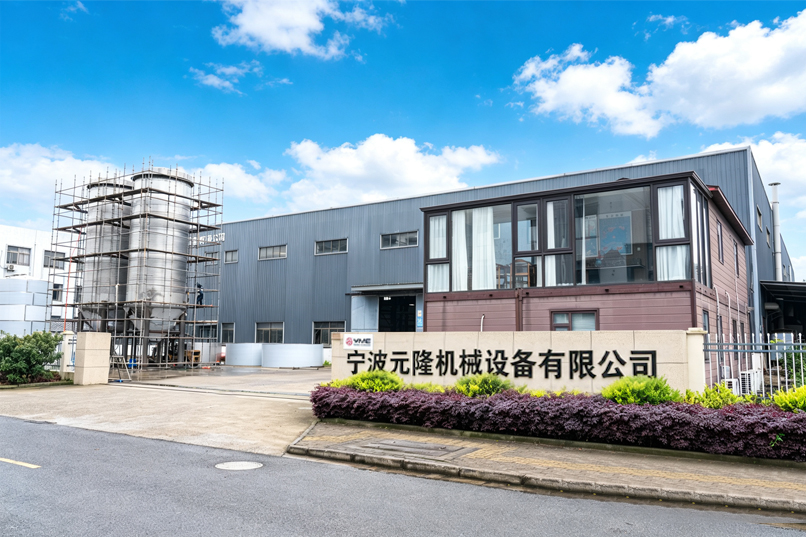
Founded in 2001, YME is headquartered in Ningbo, Zhejiang, China. We are a China Tunnel Pasteurizers & Coolers Supplier and Custom Tunnel Pasteurizers & Coolers Company, primarily stainless steel processing business with a modern manufacturing facility covering 6000m3. In recent years, our company has become one of the leaders in the stainless steel products industry, earning wide recognition from customers for our high-quality products and excellent service.
YME's success is built on the strength of our dedicated team—a group of passionate professionals who combine deep industry experience with a relentless drive for innovation. Our designers, engineers, and production staff are not only highly skilled but also continuously undergo advanced training to stay at the forefront of industry trends and technologies. This commitment to excellence allows us to adapt seamlessly to projects of any size and complexity, delivering tailored solutions with precision and creativity. It's this blend of expertise, forward-thinking, and collaborative spirit that enables us to consistently exceed client expectations and bring visionary ideas to life.
Our reach extends across the globe—from manufacturing hubs in Asia to developed markets in Europe, North America, and Australia. This widespread acceptance is the direct result of the lasting partnerships we've cultivated with customers in every region we serve. By consistently providing stainless steel equipment of unparalleled quality, we have built a foundation of trust that looks to the future. Looking ahead, we are committed to strengthening these bonds and expanding our global family, united by a shared vision for excellence.
YME's success is built on the strength of our dedicated team—a group of passionate professionals who combine deep industry experience with a relentless drive for innovation. Our designers, engineers, and production staff are not only highly skilled but also continuously undergo advanced training to stay at the forefront of industry trends and technologies. This commitment to excellence allows us to adapt seamlessly to projects of any size and complexity, delivering tailored solutions with precision and creativity. It's this blend of expertise, forward-thinking, and collaborative spirit that enables us to consistently exceed client expectations and bring visionary ideas to life.
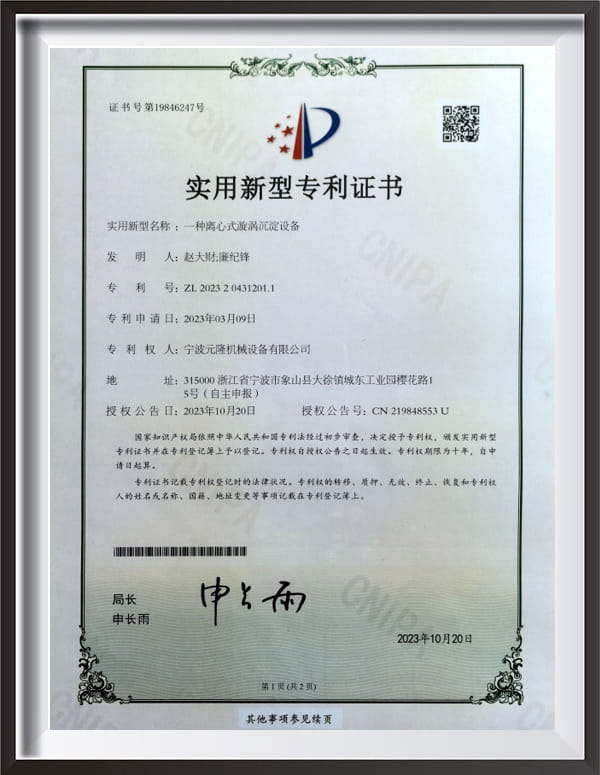
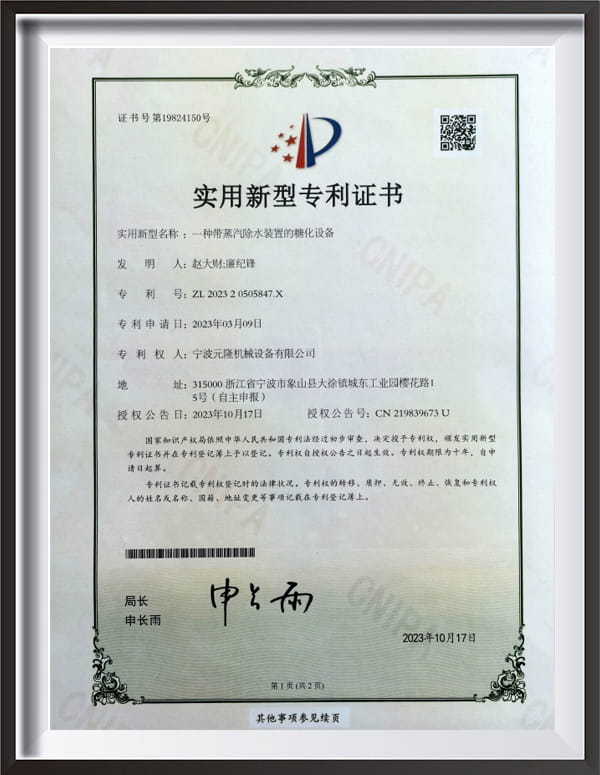
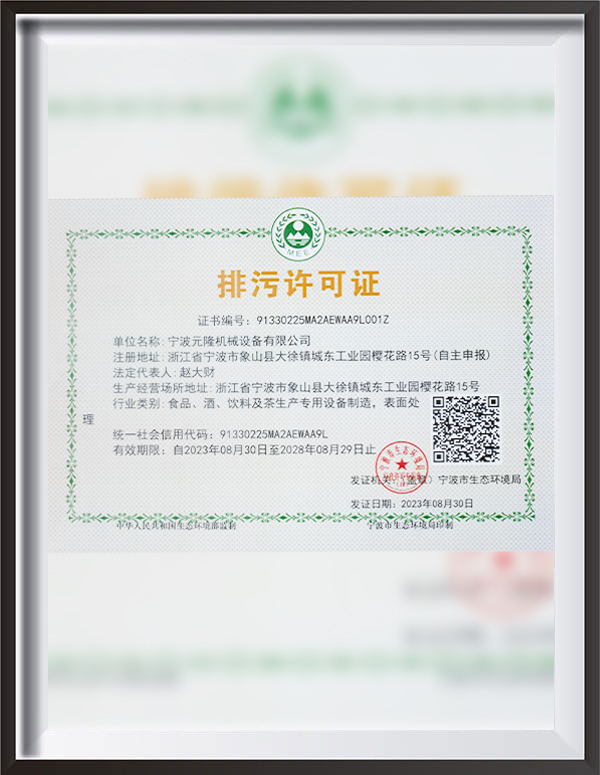
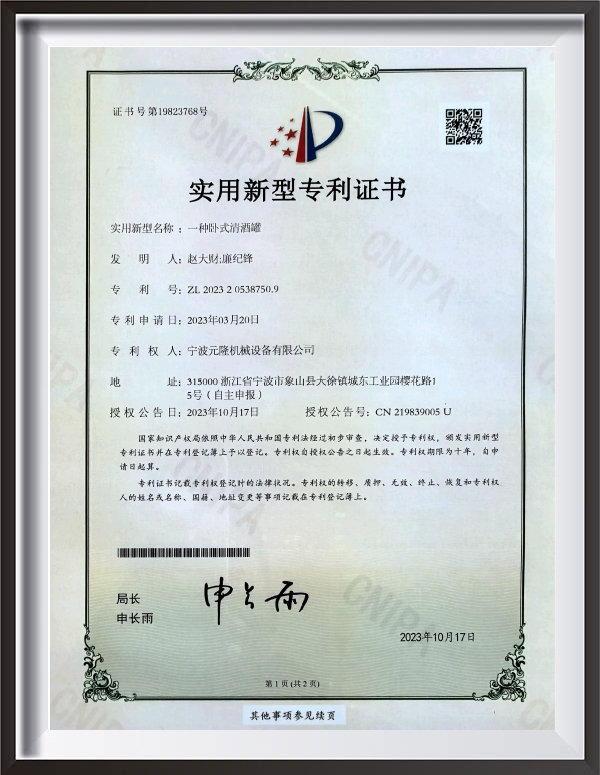
Certificate Of Honor
  • Certificate
  • Certificate
  • Certificate
  • Emissions Permit
News
  • What Does a Fermentation Tank Do? The Direct Answer A fermentation tank creates and maintains a controlled environment where microorganisms — typically yeast or bacteria — convert sugars into alcohol, carbon dioxide, acids, or other byproducts through a biochemical process called fermentation. The ...

    READ MORE
  • What Are the Different Types of Storage Tanks? Quick Answer Storage tanks are generally classified by three factors: construction material, shape and orientation, and pressure or temperature design. The most common categories are stainless steel storage tanks, vertical and horizontal tanks, single-...

    READ MORE
  • What Is a Mixing Tank? The Direct Answer A mixing tank is an enclosed or open vessel — typically fabricated from stainless steel — that uses a rotating agitator to blend liquids, powders, or a combination of both into a homogeneous mixture. The tank provides the containment and structural body, whi...

    READ MORE
Tunnel Pasteurizers & Coolers Industry knowledge

What Are Tunnel Pasteurizers and Coolers

Tunnel pasteurizers and coolers treat already-filled and sealed bottles or cans by moving them through a series of water spray zones on a conveyor, gradually raising product temperature to pasteurization level and then cooling it back down before packing. Because the equipment handles both the heating and cooling stages within one continuous tunnel, it is often specified as a single integrated line rather than as separate pieces of equipment. This combined approach helps maintain steady conveyor speed and consistent thermal exposure across every container passing through.

This method is widely used for bottled and canned beer, as well as soft drinks and other beverages packaged before final heat treatment.

Advantages of Tunnel Pasteurizers and Coolers

  • Reduced contamination risk: since containers are already sealed before heat treatment, there is minimal chance of microbial recontamination after pasteurization.
  • Gentle thermal transition: progressive heating and cooling zones reduce thermal shock, helping protect glass bottles and can seams from stress cracking.
  • High-volume compatibility: tunnel systems are designed to run continuously alongside filling and packaging lines processing thousands of containers per hour.
  • Water recirculation between zones can reduce overall water consumption compared with single-pass spray systems.
  • Stainless steel construction throughout spray headers and conveyor sections supports long-term durability under constant wet operation.

How Tunnel Pasteurizers and Coolers Work

Progressive Heating Zones

Containers enter the tunnel and pass through a series of spray zones, each set slightly warmer than the last, gradually bringing the product inside up to the target pasteurization temperature without sudden temperature jumps.

Holding Zone

Containers remain at peak temperature for a calculated dwell time, determined by conveyor speed and zone length, to reach the required pasteurization units (PU) for microbial reduction.

Progressive Cooling Zones

After the holding zone, containers pass through cooling spray zones that gradually reduce temperature back toward ambient, protecting packaging integrity before containers move on to labeling and packing.

Typical Tunnel Zone Configuration

Zone Type Purpose Typical Number of Zones
Preheating Gradually raise container temperature 2–3
Holding Maintain pasteurization temperature 1–2
Cooling Gradually reduce temperature 2–3
Common zone structure in a tunnel pasteurizer and cooler system

Planning a Tunnel Pasteurizer and Cooler Installation

Selecting the right tunnel length, zone count, and conveyor speed depends on container type, fill volume, target pasteurization units, and required line throughput. Facilities running glass bottles typically need more gradual heating and cooling zones than those using cans, since glass is more sensitive to rapid temperature change.

YME Equipment Co., Ltd, a China-based OEM/ODM fluid process equipment manufacturer and brewery equipment supplier with more than 20 years of experience, designs and manufactures tunnel pasteurizers and coolers as part of its comprehensive brewery solutions—from brewhouse and fermentation systems to CIP stations and full water treatment. YME's equipment has been exported to Europe, North America, Australia, and Asia, reflecting proven engineering standards across packaging lines of different scales.

YME's designers, engineers, and production staff combine deep industry experience with continuous advanced training, helping tailor zone count, spray configuration, and conveyor speed to a facility's specific container type and line output.

Frequently Asked Questions

Q1: Why are containers pasteurized after sealing rather than before filling?

A1: Pasteurizing after sealing removes the risk of introducing contamination during the filling process, since the container is already closed before heat treatment begins.

Q2: How many temperature zones does a typical tunnel pasteurizer have?

A2: Most tunnel systems include several progressive heating zones, one or two holding zones, and several progressive cooling zones to manage temperature change gradually.

Q3: Can tunnel pasteurizers and coolers handle both glass bottles and cans?

A3: Yes, though zone temperature gradients and conveyor speed are often adjusted differently for glass compared to cans due to differences in thermal sensitivity.

Q4: How is water usage managed in a tunnel pasteurizer system?

A4: Many systems recirculate water between adjacent zones, reusing spray water from cooling zones to support heating zones and reduce overall water consumption.

YME Equipment