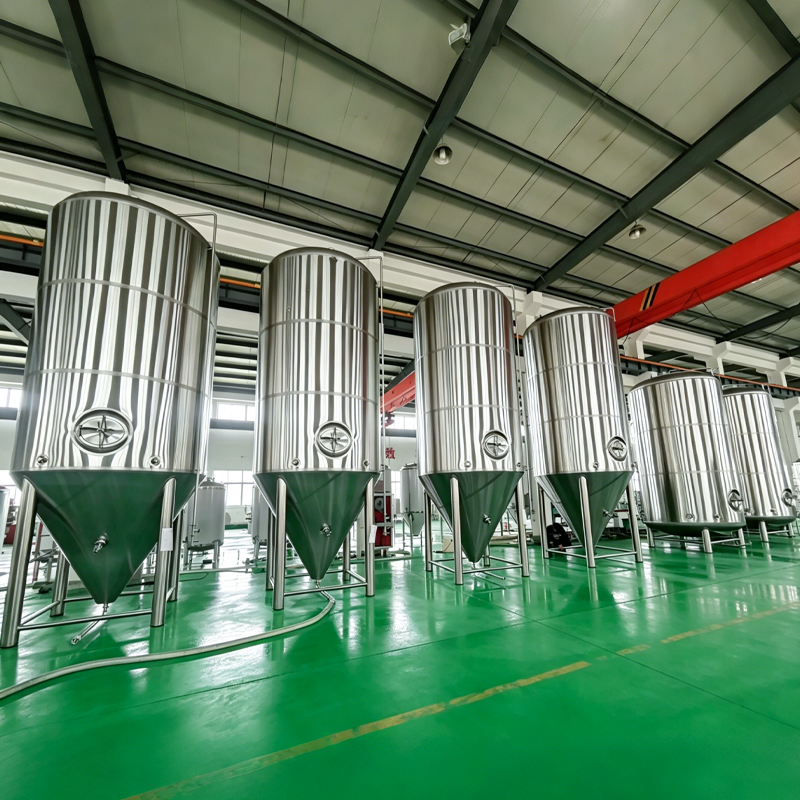
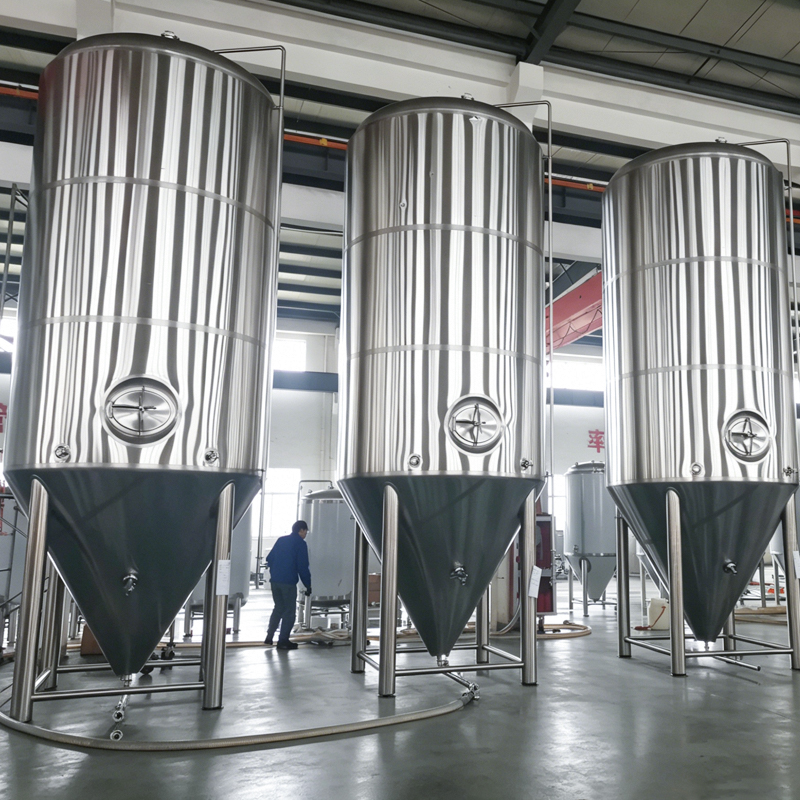
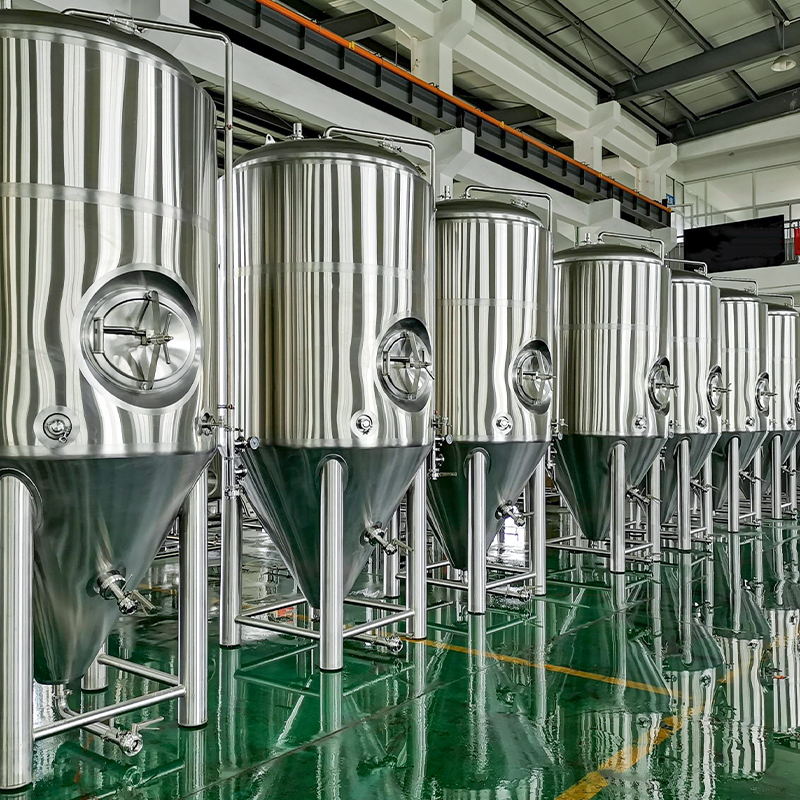
What Are Thermal Controlled Fermenters?
Thermal Controlled Fermenters are stainless steel fermentation vessels equipped with a jacketed shell that actively regulates internal temperature throughout the fermentation cycle, rather than relying on ambient room conditions. Because yeast activity, ester production, and overall fermentation speed are all highly temperature-sensitive, controlling this variable is one of the most direct ways to influence final product consistency and flavor profile in brewing, cider, and other fermented beverage production.
Cooling Fermenters refer specifically to the subset of thermal controlled fermenters focused on removing heat generated during active fermentation, since yeast metabolism releases significant heat as sugars convert to alcohol and CO2, and this heat must be managed to keep the batch within its target range.
Precise temperature management during fermentation delivers measurable benefits for both product quality and production planning.
- Consistent batch-to-batch flavor — holding fermentation temperature within a narrow range reduces variation in ester and fusel alcohol production
- Faster removal of fermentation heat during the most active phase, preventing temperature overshoot that can stress yeast
- Ability to run controlled temperature ramps for cold-crashing at the end of fermentation, improving yeast settling and clarity
- Greater scheduling flexibility, since fermentation speed can be adjusted by temperature to align batches with tank availability
- Reduced risk of off-flavors caused by yeast stress from uncontrolled temperature spikes during peak fermentation activity
A thermal controlled fermenter uses a glycol jacket, typically arranged in multiple independently controlled zones along the tank's cone and cylindrical body, so that different sections of the vessel can be cooled or held at slightly different temperatures as needed. Temperature probes placed inside the tank feed real-time readings to a PLC or standalone controller, which opens or closes glycol solenoid valves to maintain the setpoint.
During the most active phase of fermentation, yeast metabolism can raise the batch temperature by several degrees above the surrounding room if left unmanaged, which is why the cooling jacket's zone closest to the fermenter's midsection is often the busiest during peak activity. As fermentation slows, the controller gradually reduces cooling demand, and at the end of the cycle it can drive a scheduled temperature drop for cold-crashing.
Zoned Jacket Control
Splitting the cooling jacket into separate zones — commonly a cone zone and one or more cylindrical body zones — allows the system to respond to the fact that heat generation and yeast concentration are not uniform throughout the tank, improving overall temperature accuracy compared to a single-zone jacket.
Comparing Temperature Control Approaches
Different fermenter configurations offer different levels of temperature control precision, which affects both cost and product consistency. The table below outlines common approaches.
General comparison of fermenter temperature control approaches
| Control Approach |
Temperature Precision |
Best Suited For |
| Ambient room control only |
Low, room-dependent |
Small-batch, low-precision brewing |
| Single-zone glycol jacket |
Moderate |
Standard craft-scale fermentation |
| Multi-zone glycol jacket with PLC |
High |
Consistent commercial-scale production |
Industry Applications and Manufacturing Expertise
Thermal controlled fermenters and cooling fermenters are core equipment in breweries, cideries, and other fermented beverage facilities, where consistent temperature management directly affects flavor development, fermentation speed, and overall batch reliability. They are equally valuable for facilities running multiple recipes that each require a different fermentation temperature profile.
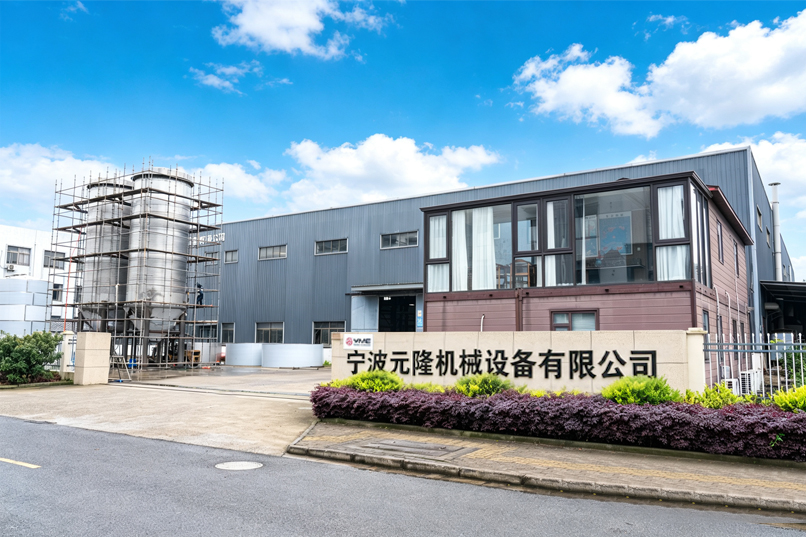
As a China-based OEM/ODM manufacturer of fluid process and brewery equipment with over 20 years of industry experience, YME Equipment Co., Ltd designs and manufactures thermal controlled and cooling fermenters as part of complete brewhouse and fermentation system solutions. YME's designers, engineers, and production staff continuously undergo advanced training to stay current with fermentation control technology, allowing the company to tailor jacket zoning and control logic to projects of varying size and complexity. YME's stainless steel equipment has been exported to customers across Europe, North America, Australia, and Asia, supported by long-term partnerships built on consistent product quality and precise, tailored engineering.
Frequently Asked Questions
Q1: Why does fermentation generate heat that needs to be cooled?
Yeast metabolism converts sugar into alcohol and CO2 through an exothermic reaction, meaning the process itself releases heat, which is most intense during the peak activity phase of fermentation.
Q2: How many cooling zones does a typical thermal controlled fermenter need?
Most commercial-scale fermenters use at least two zones — one on the cone and one or more along the cylindrical body — though larger tanks may use additional zones for more precise control.
Q3: Can a cooling fermenter also be used for cold-crashing?
Yes, the same glycol jacket and control system used for fermentation temperature management can be programmed to drive a scheduled temperature drop at the end of fermentation to encourage yeast settling.
Q4: What happens if fermentation temperature isn't controlled?
Without active cooling, batch temperature can rise uncontrolled during peak yeast activity, increasing the risk of yeast stress, off-flavors, and inconsistent results between batches.



 English
 русский
 عربى
عربى