What Are Outdoor Large Scale Storage Tanks?
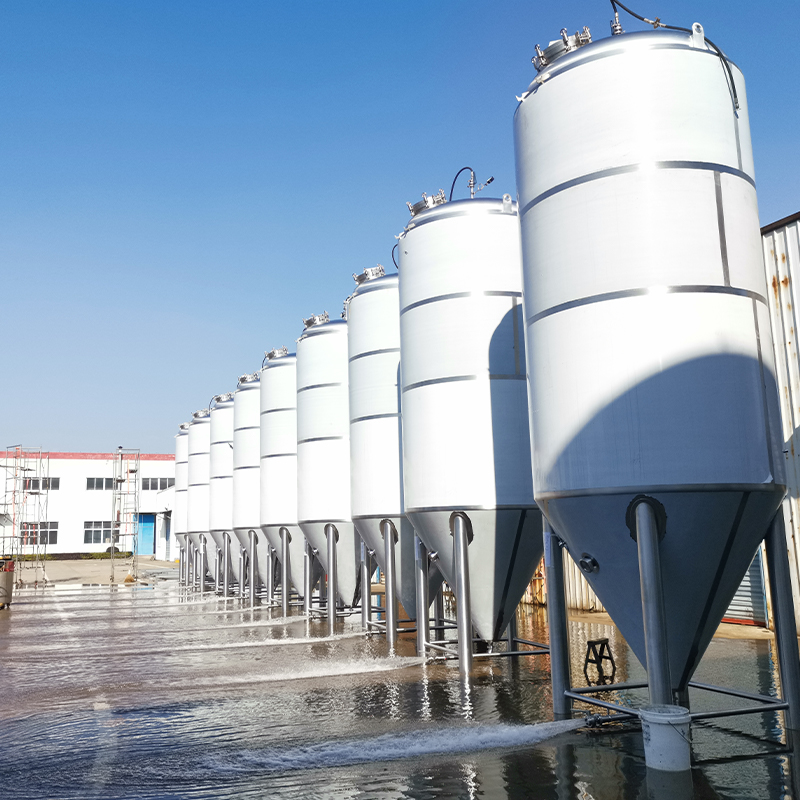
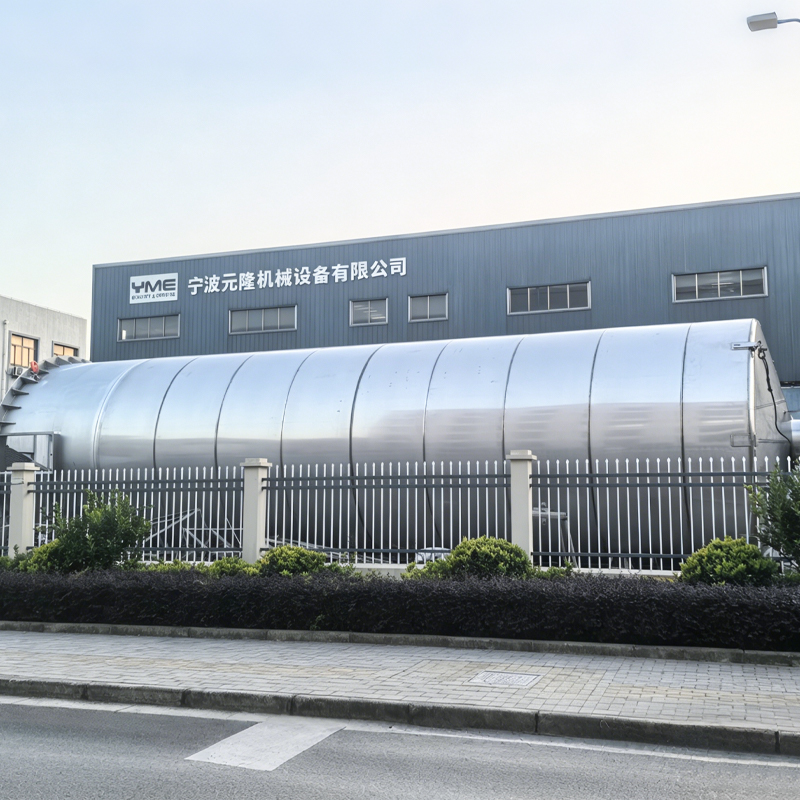
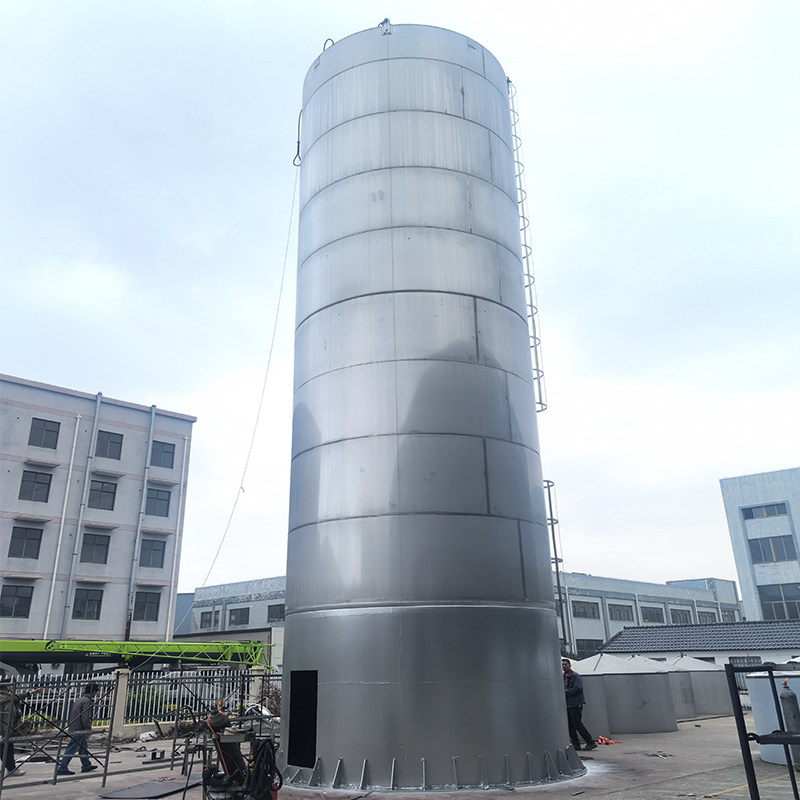
Outdoor Large Scale Storage Tanks are heavy-duty stainless steel vessels engineered to hold large volumes of liquid product in an open-air environment, without relying on an indoor building shell for weather protection. Designed for capacities that often run from tens of thousands to hundreds of thousands of liters, they are built with reinforced supports, weatherproof insulation, and corrosion-resistant finishes so they can operate reliably through rain, temperature swings, and direct sun exposure year-round.
Breweries, dairies, and beverage plants frequently choose outdoor tank installations to free up valuable indoor floor space for processing lines, filling equipment, and packaging, while shifting long-term bulk storage to the yard or rooftop area outside the main building.
Key Advantages of Outdoor Large Scale Storage
Moving large-volume storage outdoors delivers several practical benefits for growing production facilities.
- Maximized indoor floor space — freeing the production hall for fermenters, filtration, and filling lines instead of bulk tank farms
- Lower construction cost per liter of capacity compared to expanding an indoor building envelope
- Easier tanker truck loading and unloading access at ground level or via elevated platforms
- Scalable expansion — additional tanks can be added to an outdoor tank farm without major building renovation
- Simplified integration with outdoor CIP, glycol, and water treatment utility lines
How Outdoor Large Scale Storage Tanks Are Engineered to Perform
Because these tanks sit outside a controlled building envelope, their construction has to account for wind load, thermal expansion, UV exposure, and rainwater drainage in addition to the standard hygienic design requirements used for indoor vessels. Structural supports are typically calculated for regional wind and seismic loads, and the tank shell is fitted with a sloped or domed roof to prevent water pooling.
Temperature control is maintained through a combination of insulated jacketing and glycol or hot-water circulation, which keeps the stored liquid within its required range regardless of outdoor ambient conditions. A vent and pressure relief system regulates internal pressure as temperature and fill level change throughout the day, while a nitrogen or sterile air blanket can be added for products sensitive to oxidation.
Weatherproofing and Surface Protection
Exterior surfaces are usually finished with a matte or brushed stainless steel treatment, sometimes paired with a UV-resistant insulation cladding, to resist corrosion from rain, humidity, and prolonged sun exposure without degrading the tank's structural integrity over its service life.
Choosing the Right Configuration for Your Site
Outdoor tank selection depends on available yard space, expected annual output, and how the tank will connect to existing utilities. The table below summarizes common configuration considerations.
General configuration factors for outdoor large scale storage tank installations
| Factor |
Typical Consideration |
Impact on Design |
| Tank capacity |
50,000L – 300,000L+ |
Determines shell thickness and support structure |
| Climate zone |
Cold, temperate, or high-heat regions |
Affects insulation thickness and jacket design |
| Wind exposure |
Open yard vs. sheltered site |
Influences leg or skirt support calculations |
| Access requirements |
Tanker truck loading, platform walkways |
Determines valve and ladder placement |
Industry Applications and Manufacturing Expertise
Outdoor large scale storage tanks are widely used for finished beer bright tank storage, bulk water reserves, juice concentrate holding, and raw material buffering ahead of processing. They are particularly common at breweries and beverage plants that need to scale up capacity quickly without rebuilding an existing production hall.
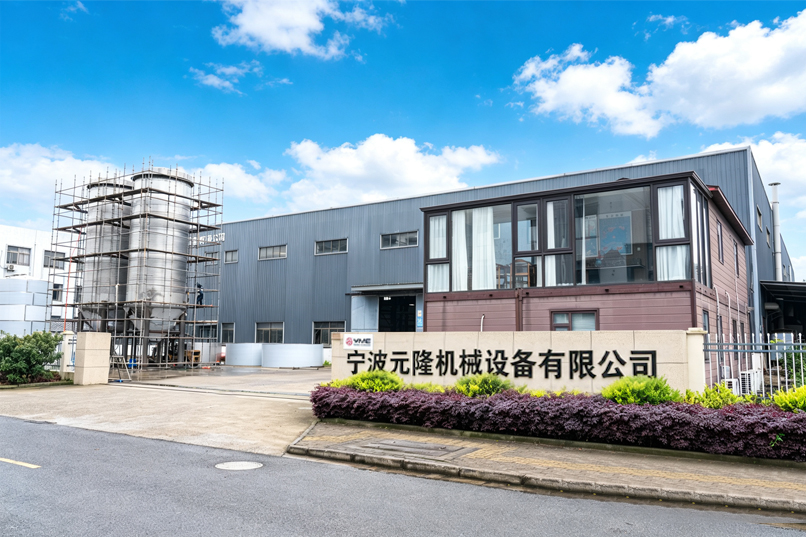
As a China-based OEM/ODM manufacturer of fluid process and brewery equipment with over 20 years of industry experience, YME Equipment Co., Ltd designs and manufactures outdoor large scale storage tanks engineered for varying climate conditions and production scales, from brewhouse and fermentation systems through to CIP stations and full water treatment. YME's engineers and production staff undergo continuous technical training to keep pace with structural and hygienic design standards, and the company's stainless steel equipment has been exported to customers across Europe, North America, Australia, and Asia, supported by long-term partnerships built on consistent quality and tailored engineering solutions for projects of any size.
Frequently Asked Questions
Q1: Do outdoor large scale storage tanks need extra insulation compared to indoor tanks?
Yes, outdoor tanks generally require thicker insulation and weatherproof cladding to compensate for direct sun exposure and temperature swings that indoor tanks do not experience.
Q2: How is rainwater prevented from pooling on top of the tank?
Most outdoor tanks use a sloped or domed roof design combined with a properly sized drainage channel to direct rainwater away from manways, vents, and instrumentation.
Q3: Can outdoor tanks be equipped with automated CIP cleaning?
Yes, outdoor large scale storage tanks are commonly fitted with spray-ball CIP connections that link back to an indoor or outdoor CIP skid, allowing automated cleaning cycles just as with indoor tanks.
Q4: What foundation is required for a large outdoor tank installation?
Foundation requirements depend on tank weight and local soil conditions, but most installations require a reinforced concrete pad or ring foundation designed to support the tank's full liquid weight plus wind and seismic loads.



 English
 русский
 عربى
عربى