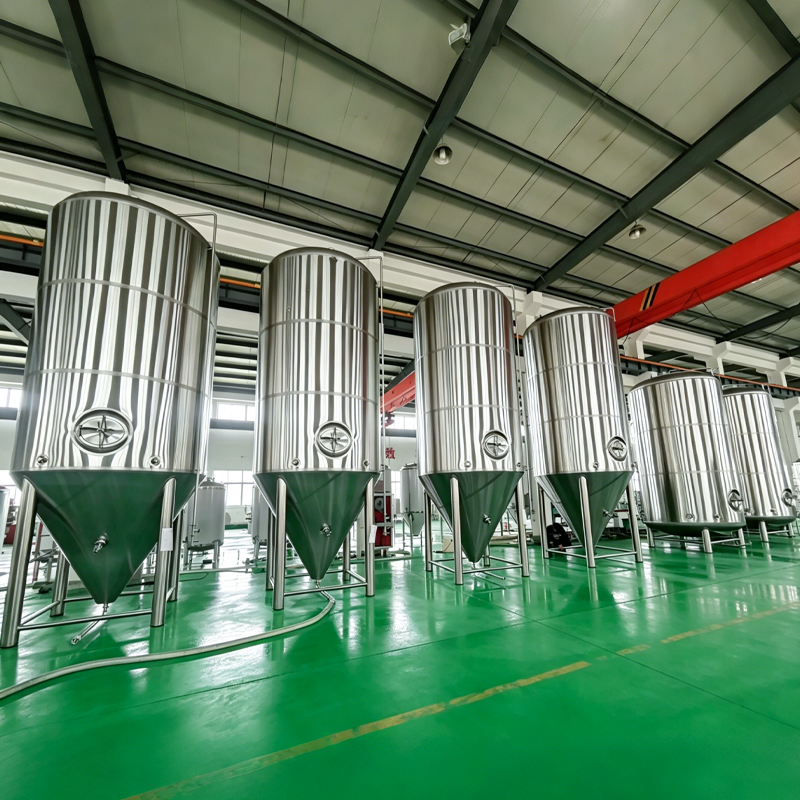
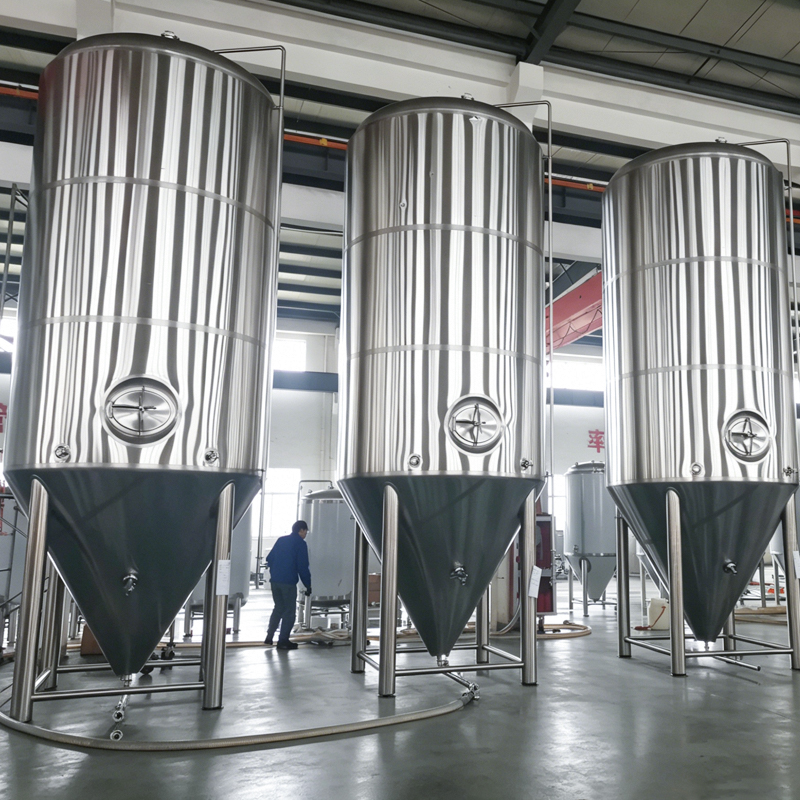
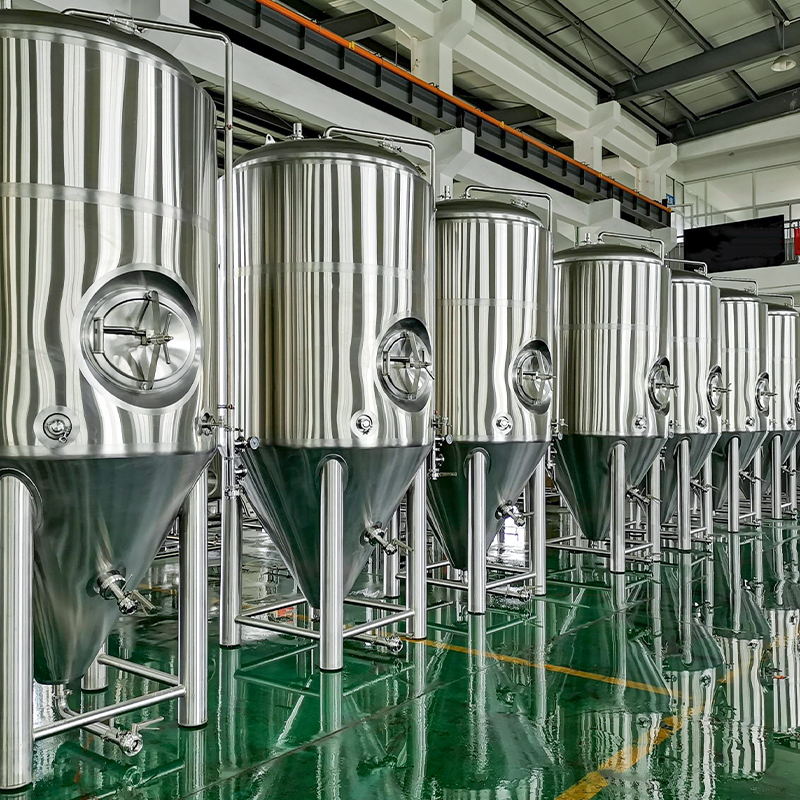
Cooling Jacketed Fermentation Tanks are stainless steel fermentation vessels built with a welded outer jacket through which glycol or chilled water circulates to remove the heat generated by yeast activity during fermentation. Unlike a fermenter that relies only on room temperature control, a jacketed tank can actively pull heat away from the product itself, giving brewers, winemakers, and other beverage producers direct control over how fast and how warm fermentation runs.
The jacket is a permanent structural feature of the tank rather than an add-on accessory, meaning its design — including jacket type, zoning, and glycol channel geometry — is engineered into the vessel from the start to match the expected fermentation heat load.
Key Advantages of a Cooling Jacket on a Fermentation Tank
Building active cooling directly into the fermenter shell offers several concrete production benefits.
- Direct heat removal at the source — the jacket cools the product through the tank wall rather than waiting for ambient room air to draw heat away
- Faster response to fermentation temperature spikes during the most active yeast growth phase
- Consistent results across seasons, since the jacket performs the same regardless of outdoor or room temperature swings
- Support for controlled cold-crashing at the end of fermentation without needing a separate cold room
- Reduced energy waste compared to cooling an entire fermentation room to manage a handful of tanks
How the Cooling Jacket Removes Fermentation Heat
A cooling jacket consists of a secondary shell layer welded around the tank's cone and cylindrical body, with a gap between the inner product wall and the outer jacket wall through which chilled glycol flows. As glycol circulates, it absorbs heat conducted through the inner stainless steel wall from the fermenting liquid, and a return line carries the warmed glycol back to a central chiller for re-cooling.
Most commercial-scale tanks divide the jacket into separate independently controlled zones — typically one on the cone and one or more along the cylindrical body — because heat generation is not uniform throughout the vessel during active fermentation. A temperature probe and solenoid valve control each zone, allowing the system to apply more cooling where it's needed most, such as the section with the highest yeast concentration.
Dimple Jacket vs. Conventional Jacket Construction
A dimple jacket uses a pattern of small spot-welded depressions to create turbulent glycol flow across a wider surface area while using less steel and welding than a smooth conventional jacket. This makes dimple jackets the more common choice for fermentation tanks, since they achieve strong heat transfer efficiency at a lower material cost, while conventional full jackets are typically reserved for applications requiring higher glycol flow volume.
Sizing the Cooling Jacket to Match Fermentation Load
Jacket coverage and zoning should scale with tank volume and the heat load generated by the batch. The table below outlines general configuration patterns by tank size.
General cooling jacket configuration patterns by fermentation tank size
| Tank Size |
Typical Jacket Zones |
Common Jacket Type |
| Small (under 2,000L) |
1–2 zones |
Dimple jacket |
| Mid-size (2,000L–15,000L) |
2–3 zones |
Dimple jacket |
| Large (15,000L+) |
3+ zones |
Dimple or conventional jacket |
Industry Applications and Manufacturing Expertise
Cooling jacketed fermentation tanks are standard equipment across breweries, wineries, and cideries that need reliable, repeatable fermentation temperature control regardless of ambient conditions. They are equally valuable in facilities producing multiple products with different temperature profiles, since zoned jacket control allows each batch to follow its own precise cooling schedule.
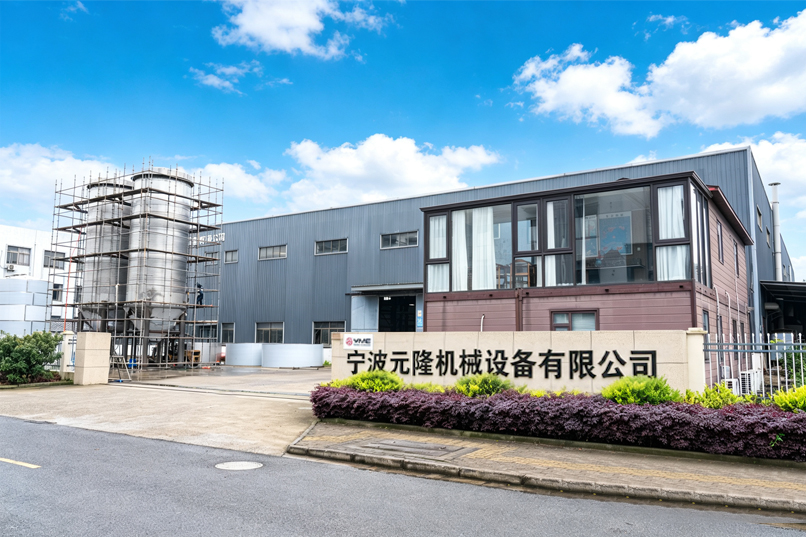
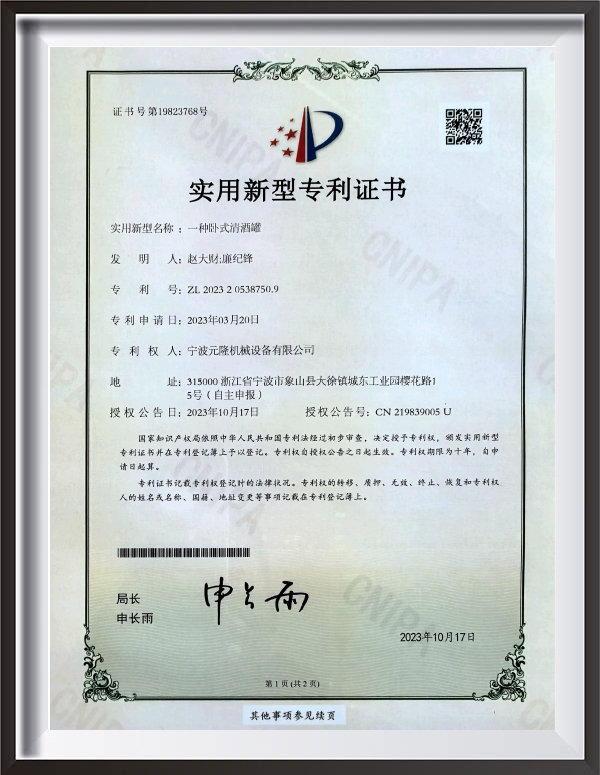
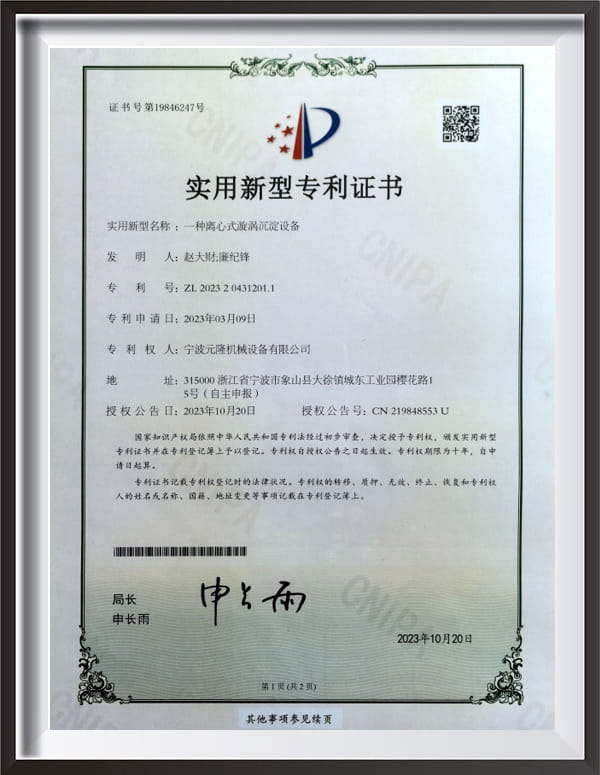
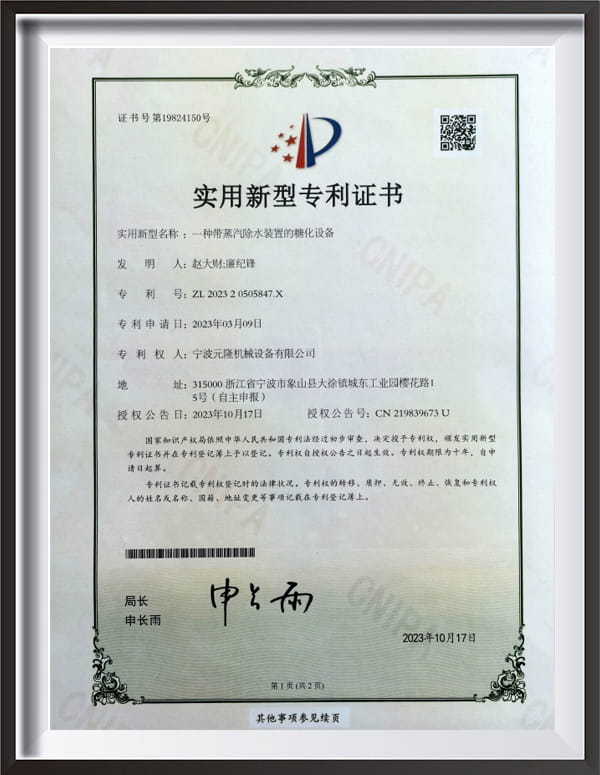
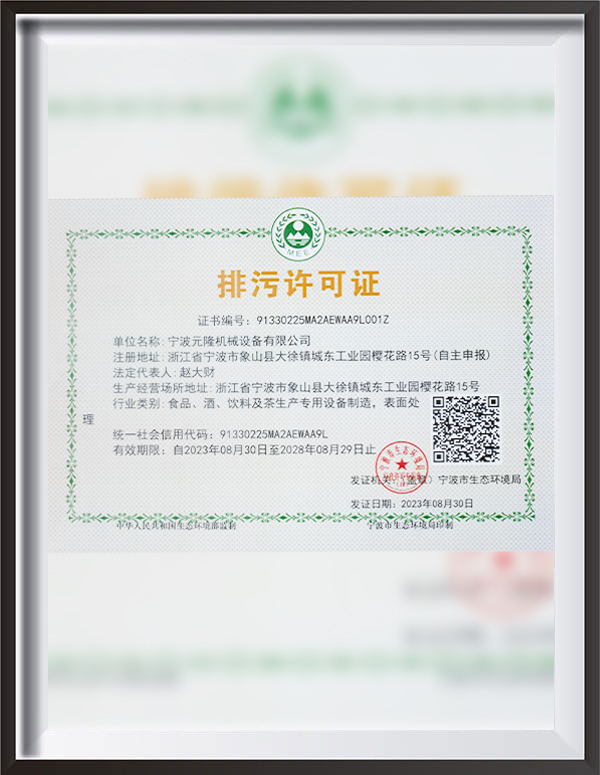
As a China-based OEM/ODM manufacturer of fluid process and brewery equipment with over 20 years of industry experience, YME Equipment Co., Ltd designs and manufactures cooling jacketed fermentation tanks as part of complete brewhouse and fermentation system solutions. YME's designers, engineers, and production staff continuously undergo advanced training to stay current with jacket construction techniques and glycol system design, allowing the company to tailor jacket zoning and heat transfer efficiency to projects of varying size and complexity. YME's stainless steel equipment has been exported to customers across Europe, North America, Australia, and Asia, supported by long-term partnerships built on consistent product quality and precise, tailored engineering.
Frequently Asked Questions
Q1: What glycol concentration is typically used in a fermentation tank jacket?
Glycol-water mixtures are commonly used at concentrations that keep the coolant from freezing at the target cooling temperature, with the exact ratio depending on how cold the chiller system needs to run.
Q2: Why are cooling jackets divided into multiple zones?
Zoning allows the control system to apply more cooling to the areas generating the most heat, such as the section with the highest yeast concentration, rather than cooling the entire tank uniformly regardless of where heat is actually building up.
Q3: Is a dimple jacket less effective than a conventional jacket?
Not in typical fermentation applications; dimple jackets create turbulent glycol flow that transfers heat efficiently while using less material, making them the standard choice for most fermentation tank cooling needs.
Q4: Can a cooling jacketed fermentation tank also provide heating?
Yes, some systems route warm glycol or hot water through the same jacket channels to gently raise temperature when needed, such as during yeast pitching in colder ambient conditions.



 English
 русский
 عربى
عربى