What Are Dairy Processing Lines?
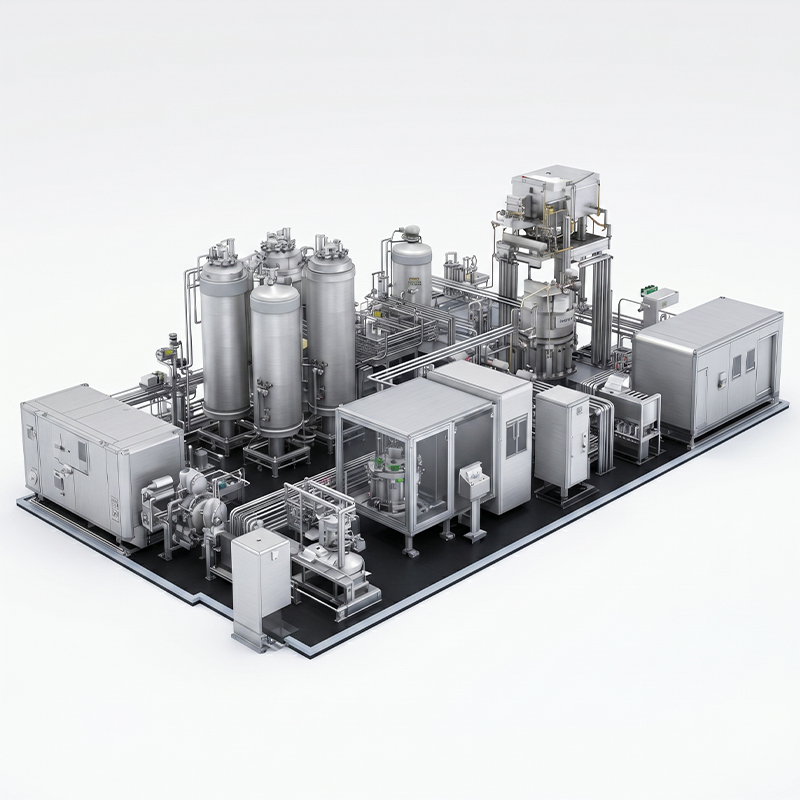
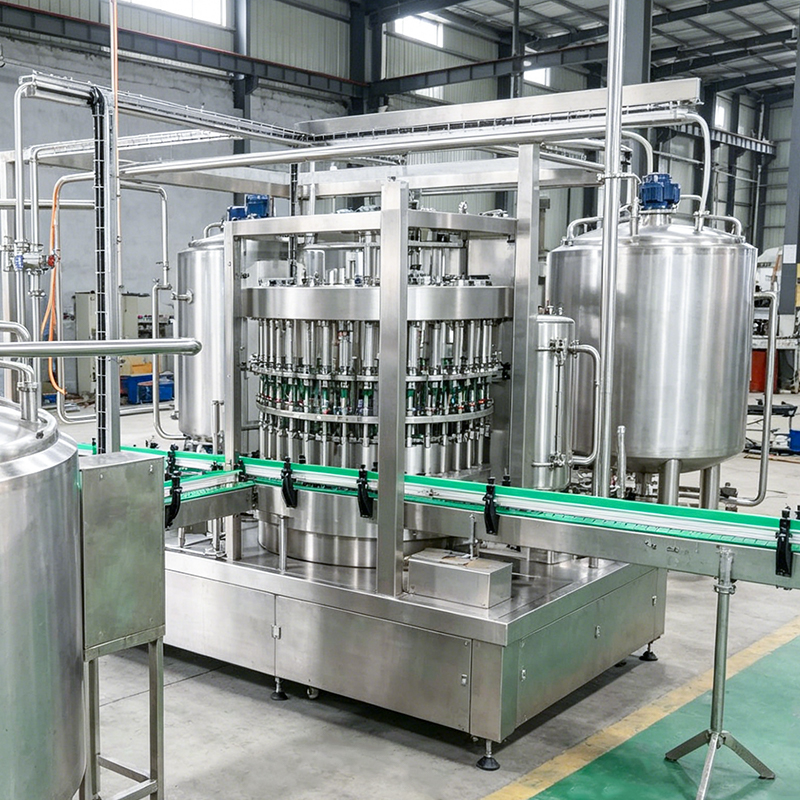
Dairy Processing Lines are complete production systems that take raw milk through every stage needed to reach a finished, packaged product, including reception, standardization, pasteurization or UHT sterilization, homogenization, and filling. Rather than sourcing each stage of equipment separately, a processing line approach designs these steps to work together as one continuous, automated flow.
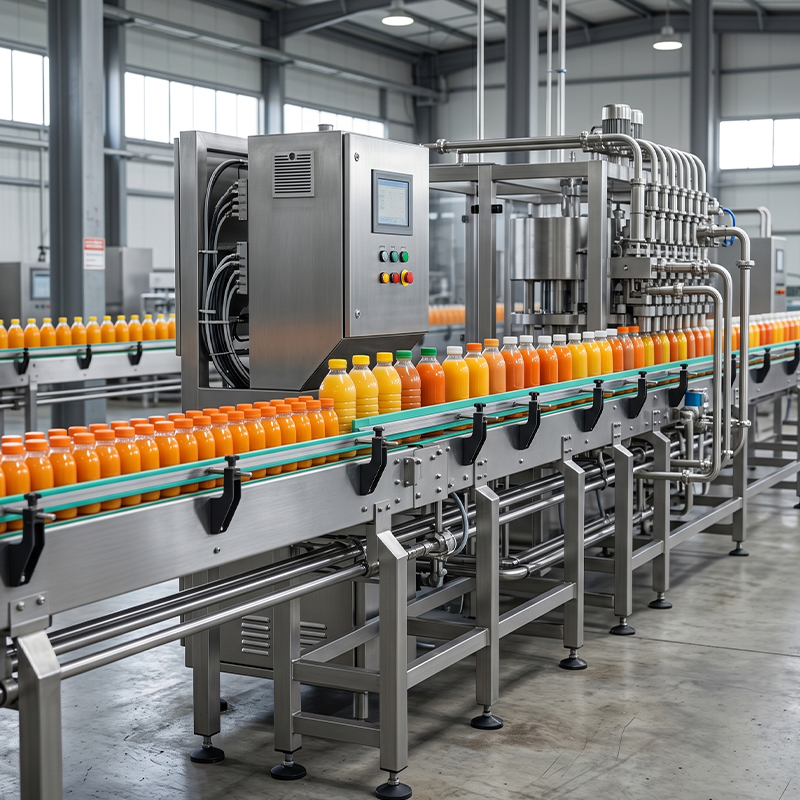
The same overall design philosophy applies to Beverage Processing Lines, which follow a similar sequence adapted for juice, water, or other non-dairy liquid products — typically substituting milk reception and standardization with juice extraction, blending, or carbonation stages suited to the specific beverage being produced.
Key Advantages of a Fully Designed Processing Line
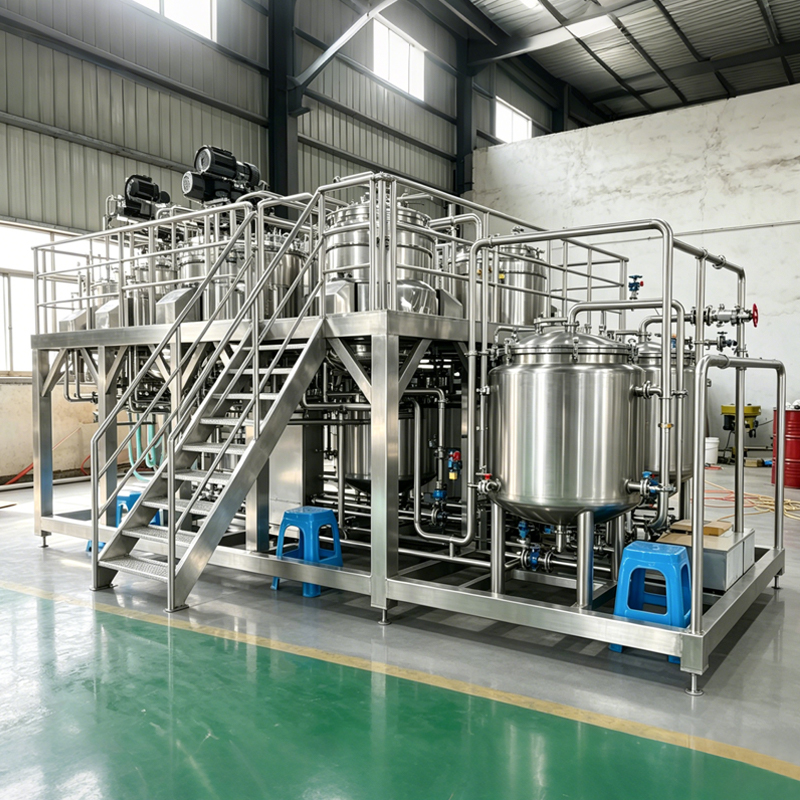
Building a dairy or beverage line as one coordinated system rather than a collection of separate machines offers clear production benefits.
- Continuous, automated flow — product moves from raw material to finished package with minimal manual intervention between stages
- Matched equipment throughput, preventing bottlenecks that occur when independently sourced machines run at mismatched speeds
- Centralized process control, allowing operators to monitor temperature, flow rate, and product quality from one control system
- Reduced product loss at transfer points, since well-designed lines minimize the number of times product changes vessels
- Easier compliance with food safety standards, since hygienic design is applied consistently across every stage rather than varying by individual machine
How Dairy and Beverage Processing Lines Work
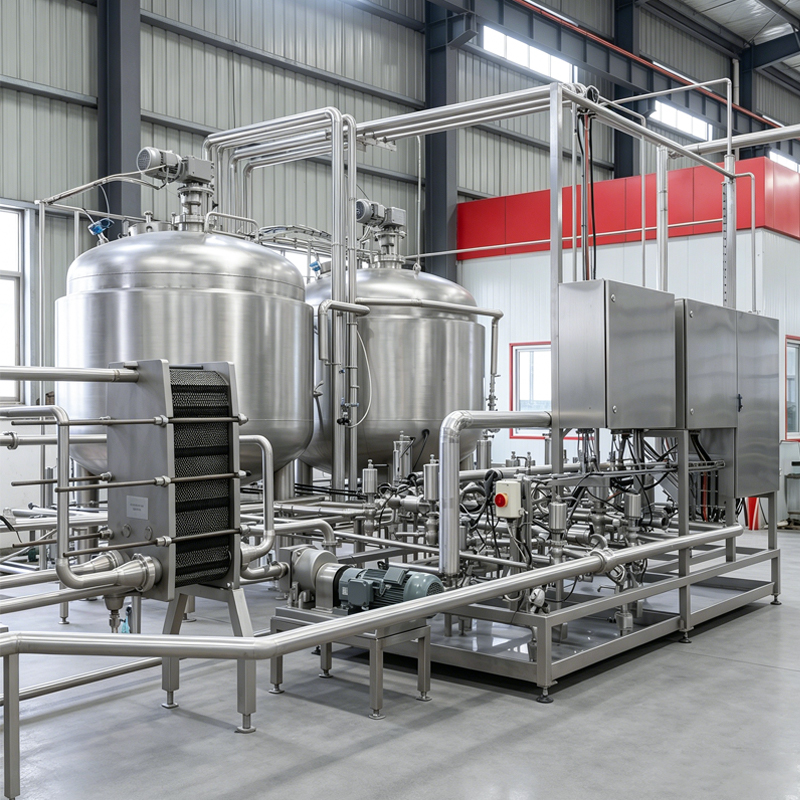
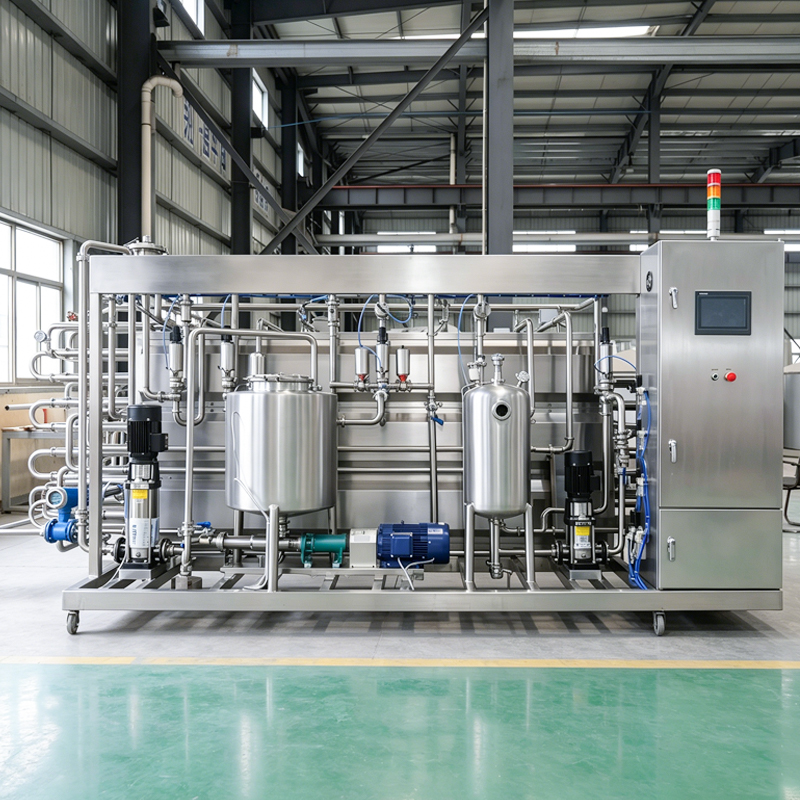
A typical dairy processing line begins with raw milk reception into a chilled storage tank, followed by standardization, where fat content is adjusted to match the target product specification. The milk then passes through a plate heat exchanger for pasteurization or a UHT system for sterilization, depending on whether the final product needs refrigerated or ambient shelf stability, before homogenization breaks down fat globules for a smooth, stable texture.
Beverage processing lines follow a comparable logic but adapt each stage to the specific product: juice lines often add extraction, clarification, and pulp control steps, while water lines emphasize filtration and mineral balancing. In both cases, the line finishes with filling equipment matched to the product's final packaging format, whether that's cartons, bottles, pouches, or bulk containers, with the entire sequence coordinated by a shared PLC control system.
Standardization and Formulation Control
Automated standardization systems use inline sensors to continuously measure fat or sugar content and adjust blending ratios in real time, ensuring the final product consistently meets its target specification without requiring manual sampling at every batch.
Comparing Line Stages Across Dairy and Beverage Products
While the overall line structure is similar, dairy and beverage processing lines differ in their specific process stages. The table below outlines common differences.
General process stage comparison between dairy and beverage processing lines
| Process Stage |
Dairy Processing Line |
Beverage Processing Line |
| Raw material intake |
Chilled milk reception |
Juice extraction or water intake |
| Formulation step |
Fat standardization |
Blending, sweetening, or carbonation |
| Thermal treatment |
Pasteurization or UHT sterilization |
Pasteurization or flash sterilization |
| Final packaging |
Cartons, bottles, pouches |
Bottles, cans, cartons |
Industry Applications and Manufacturing Expertise
Dairy processing lines and beverage processing lines form the operational backbone of milk, juice, and water bottling facilities of every scale, from regional dairy cooperatives to large export-focused beverage manufacturers. A well-designed line directly affects product consistency, throughput capacity, and long-term production cost efficiency.
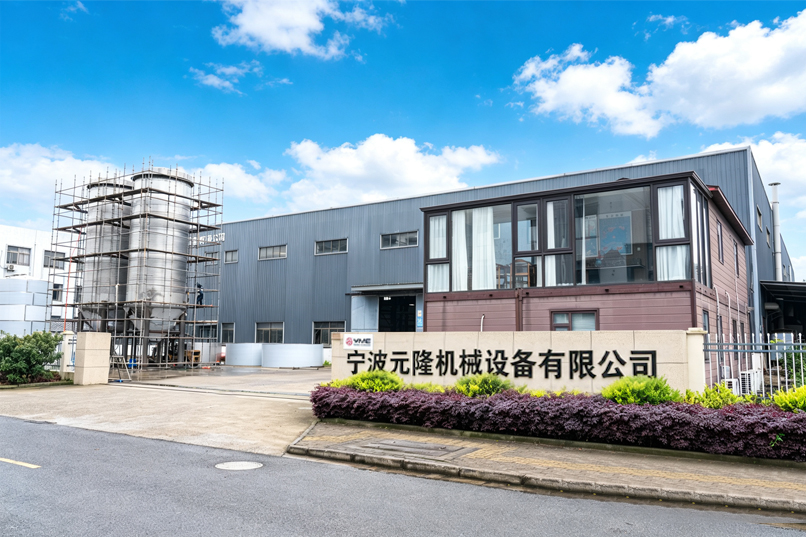
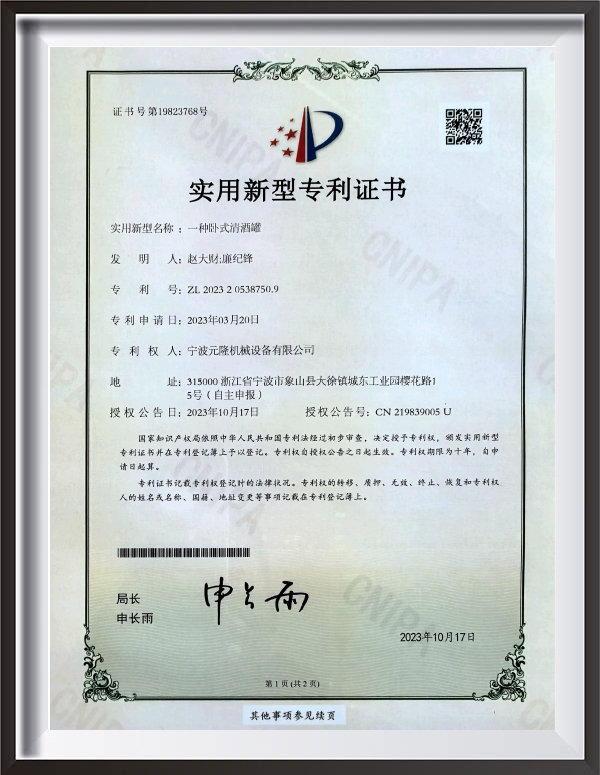
As a China-based OEM/ODM manufacturer of fluid process and brewery equipment with over 20 years of industry experience, YME Equipment Co., Ltd designs and delivers dairy processing lines and beverage processing lines as part of comprehensive turnkey solutions, from brewhouse and fermentation systems to CIP stations and full water treatment. YME's designers, engineers, and production staff continuously undergo advanced training to stay at the forefront of processing line technology, allowing the company to adapt line configurations to projects of any size and complexity with precision and creativity. YME's stainless steel equipment has been exported to customers across Europe, North America, Australia, and Asia, supported by long-term partnerships built on consistent product quality and tailored engineering.
Frequently Asked Questions
Q1: Can a dairy processing line be adapted to also handle beverage products?
Some line components, such as pasteurization and filling equipment, can be shared or adapted, but dedicated formulation and packaging stages are usually needed to properly handle each specific product category.
Q2: How is throughput matched across different stages of the line?
Line design calculates the expected flow rate at each stage and sizes tanks, heat exchangers, and pumps accordingly, so no single piece of equipment becomes a bottleneck for the rest of the line.
Q3: What role does automation play in a modern processing line?
A shared PLC control system coordinates temperature, flow, and formulation across every stage, reducing manual intervention and improving consistency compared to manually operated equipment.
Q4: How long does it typically take to design and commission a complete processing line?
Timelines vary significantly by project scope and product complexity, but pre-engineered, coordinated line designs generally commission faster than assembling equipment from multiple unrelated suppliers.



 English
 русский
 عربى
عربى