Products

Custom Jacketed Heating Mixing Tanks
Home / Products / Mixing Tanks / Sanitary & Jacketed Mixing / Jacketed Heating Mixing Tanks

Jacketed Heating Mixing Tanks Supplier

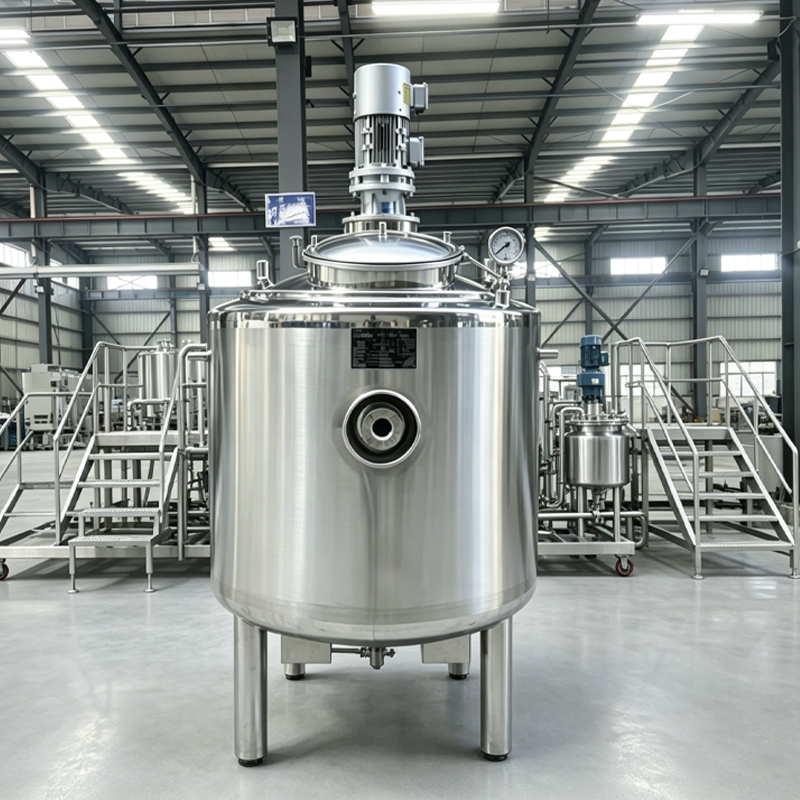
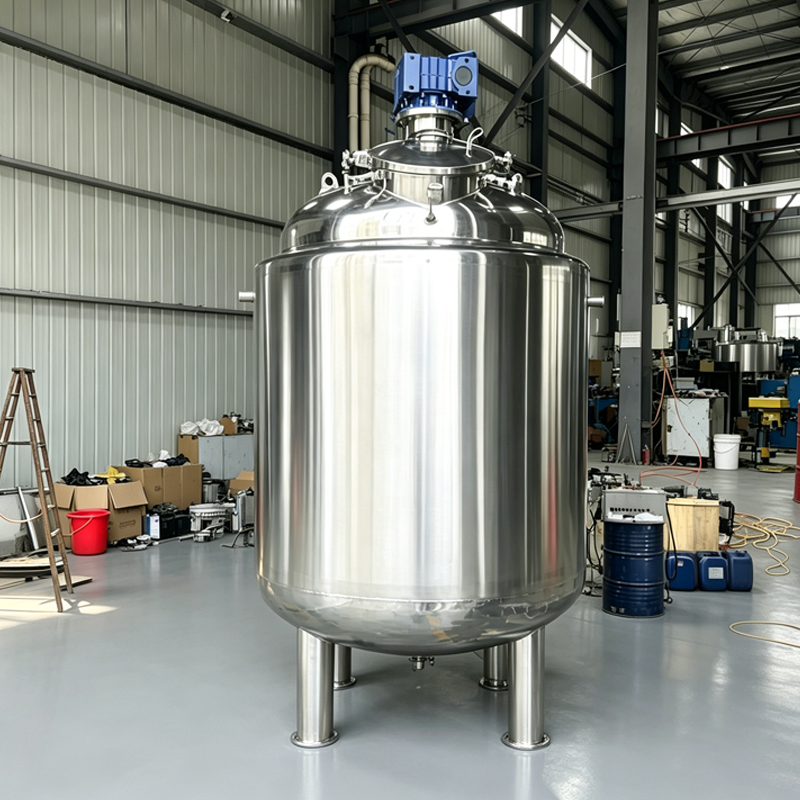
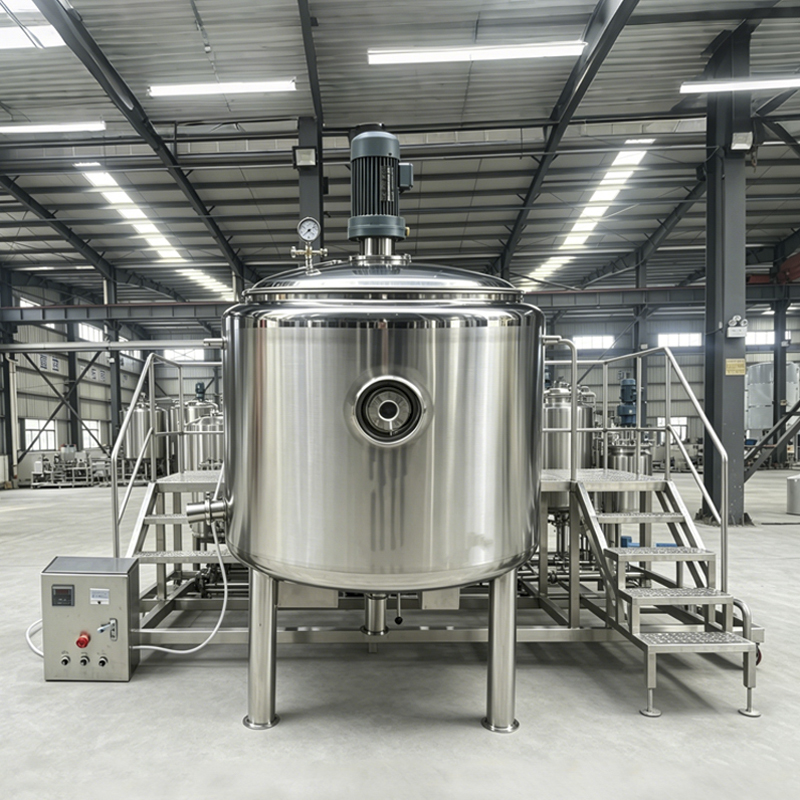
·Technical Advantages: Engineered with advanced Dimple Jackets or coil jackets for superior thermal transfer efficiency. They include a high-density rock wool or polyurethane insulation layer to minimize energy loss and ensure operator safety.

·Unique Selling Points (USPs): These tanks offer precise temperature control via integrated PLC systems, allowing for uniform heating and cooling. The design maximizes energy efficiency, reducing operational costs by up to 30% compared to non-insulated vessels.

·Industrial Applications: Essential for processing temperature-sensitive products such as dairy pasteurization, melting fats/waxes, pharmaceutical syrups, and hot-fill beverage batching.

YME Equipment Co., Ltd.
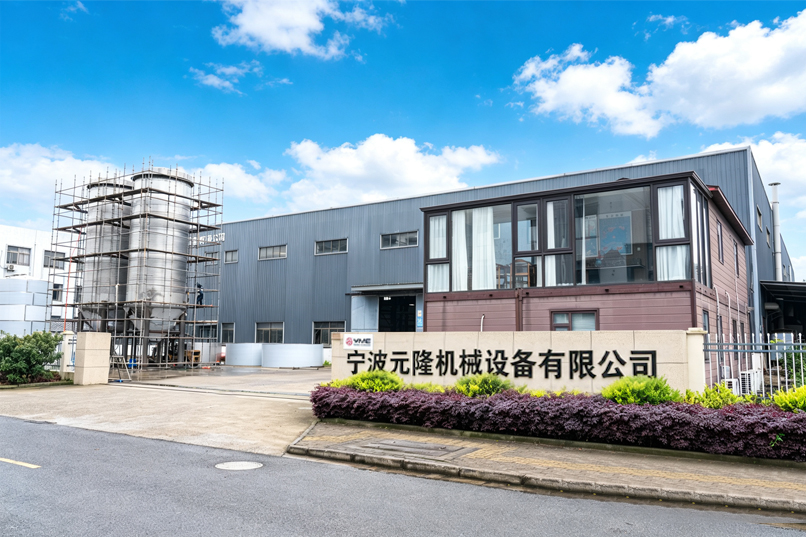
Founded in 2001, YME is headquartered in Ningbo, Zhejiang, China. We are a China Jacketed Heating Mixing Tanks Supplier and Custom Jacketed Heating Mixing Tanks Company, primarily stainless steel processing business with a modern manufacturing facility covering 6000m3. In recent years, our company has become one of the leaders in the stainless steel products industry, earning wide recognition from customers for our high-quality products and excellent service.
YME's success is built on the strength of our dedicated team—a group of passionate professionals who combine deep industry experience with a relentless drive for innovation. Our designers, engineers, and production staff are not only highly skilled but also continuously undergo advanced training to stay at the forefront of industry trends and technologies. This commitment to excellence allows us to adapt seamlessly to projects of any size and complexity, delivering tailored solutions with precision and creativity. It's this blend of expertise, forward-thinking, and collaborative spirit that enables us to consistently exceed client expectations and bring visionary ideas to life.
Our reach extends across the globe—from manufacturing hubs in Asia to developed markets in Europe, North America, and Australia. This widespread acceptance is the direct result of the lasting partnerships we've cultivated with customers in every region we serve. By consistently providing stainless steel equipment of unparalleled quality, we have built a foundation of trust that looks to the future. Looking ahead, we are committed to strengthening these bonds and expanding our global family, united by a shared vision for excellence.
YME's success is built on the strength of our dedicated team—a group of passionate professionals who combine deep industry experience with a relentless drive for innovation. Our designers, engineers, and production staff are not only highly skilled but also continuously undergo advanced training to stay at the forefront of industry trends and technologies. This commitment to excellence allows us to adapt seamlessly to projects of any size and complexity, delivering tailored solutions with precision and creativity. It's this blend of expertise, forward-thinking, and collaborative spirit that enables us to consistently exceed client expectations and bring visionary ideas to life.
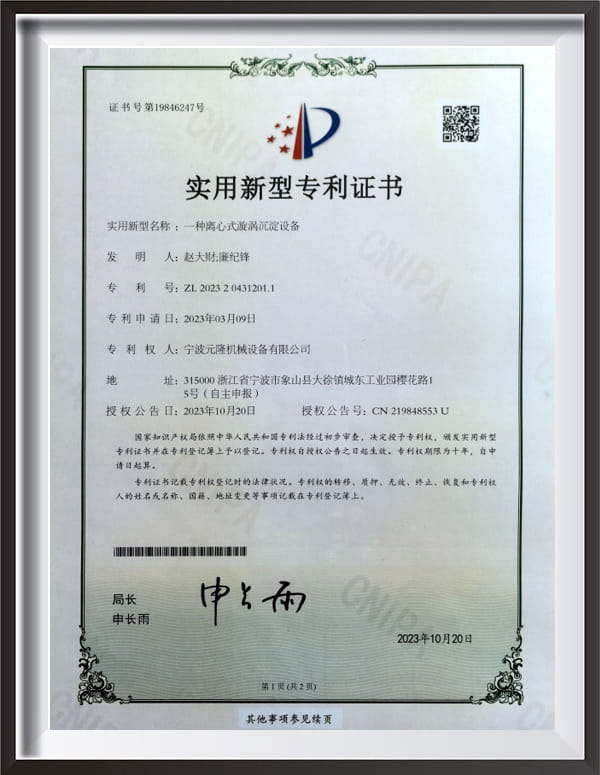
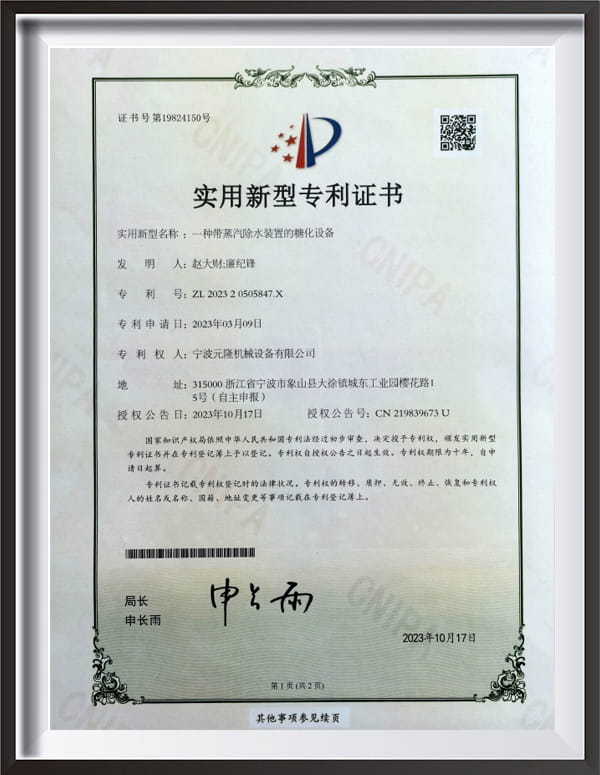
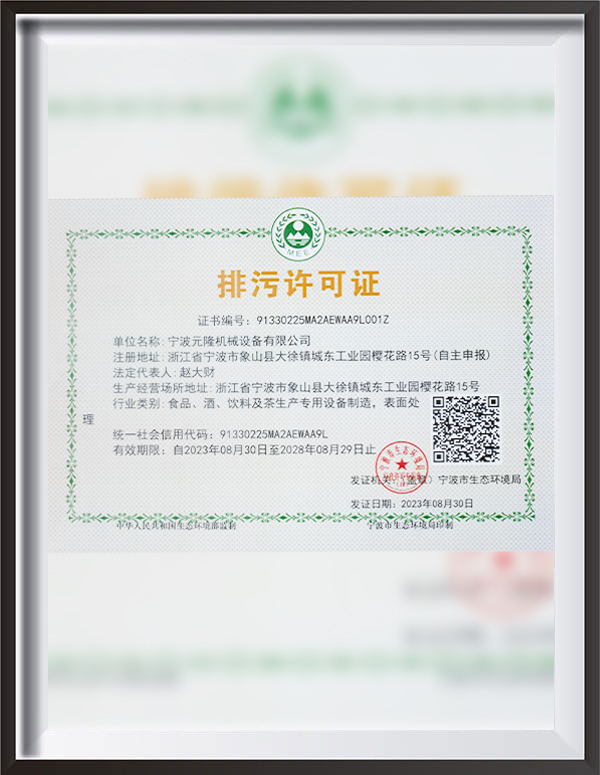
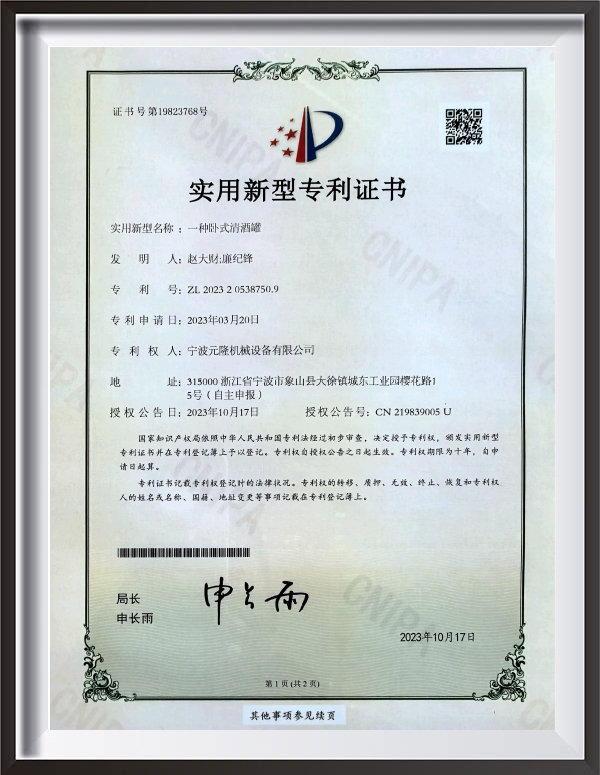
Certificate Of Honor
  • Certificate
  • Certificate
  • Certificate
  • Emissions Permit
News
  • What Does a Fermentation Tank Do? The Direct Answer A fermentation tank creates and maintains a controlled environment where microorganisms — typically yeast or bacteria — convert sugars into alcohol, carbon dioxide, acids, or other byproducts through a biochemical process called fermentation. The ...

    READ MORE
  • What Are the Different Types of Storage Tanks? Quick Answer Storage tanks are generally classified by three factors: construction material, shape and orientation, and pressure or temperature design. The most common categories are stainless steel storage tanks, vertical and horizontal tanks, single-...

    READ MORE
  • What Is a Mixing Tank? The Direct Answer A mixing tank is an enclosed or open vessel — typically fabricated from stainless steel — that uses a rotating agitator to blend liquids, powders, or a combination of both into a homogeneous mixture. The tank provides the containment and structural body, whi...

    READ MORE
Jacketed Heating Mixing Tanks Industry knowledge

What Is a Jacketed Heating Mixing Tank

A Jacketed Heating Mixing Tank is a sanitary stainless steel vessel built with an outer jacket layer that circulates hot water, steam, or thermal oil around the tank wall, allowing product inside to be heated evenly while an agitator keeps it in continuous motion. This combination of controlled heating and mechanical mixing is essential for processes such as dissolving sugar, cooking sauces, pasteurizing liquids, or melting fats and waxes before blending into a final formulation.

Unlike open kettles or direct-flame heating, a jacketed heating mixing tank isolates the heat source from the product, protecting sensitive ingredients from scorching while maintaining a consistent, repeatable temperature profile across every batch.

Key Advantages for Heating-Dependent Processes

  • Even heat distribution across the tank wall, reducing the risk of localized scorching or burnt residue.
  • Precise temperature control, often within ±1–2°C, supporting recipes that depend on exact cooking or dissolving temperatures.
  • Faster heat-up times compared to indirect kettle heating, shortening overall batch cycle duration.
  • Energy efficiency, especially when combined with insulation layers that reduce heat loss to the surrounding environment.
  • Improved product safety, as pasteurization-level temperatures can be reliably reached and held for a defined dwell time.

How the Heating and Mixing Process Works

Heat Transfer Through the Jacket

Hot water or steam enters the jacket inlet, circulates around the tank body, and transfers thermal energy through the stainless steel wall into the product before exiting through an outlet port. A control valve, guided by a temperature sensor inside the tank, regulates the flow rate of the heating medium to maintain the target set point.

Agitation During Heating

As the jacket delivers heat, an anchor or paddle agitator continuously moves product past the heated wall, transferring warmth evenly throughout the batch and preventing the thin layer nearest the wall from overheating relative to the tank center.

Insulation and Heat Retention

An outer insulation layer, commonly polyurethane foam or rock wool wrapped in a stainless steel cladding, reduces heat loss to the surrounding room, keeping energy costs lower and shortening the time needed to reach the target temperature.

Common Heating Media and Their Applications

Heating media commonly used in jacketed heating mixing tanks and their typical temperature range
Heating Medium Typical Temperature Range Common Use Case
Hot water 40–95°C Dissolving, gentle warming
Steam 100–140°C Cooking, pasteurizing
Thermal oil Up to 200°C+ High-temperature reactions

Sizing and Specification Considerations

Selecting the right jacketed heating mixing tank starts with defining the required heat-up time, target temperature, and batch volume. A tank designed to heat a 1,000-liter batch from 20°C to 90°C within 30–40 minutes will need a larger jacket surface area and higher steam or hot water flow capacity than one designed for slower, gentler warming. Jacket design pressure, wall thickness, and agitator torque should all be matched to the product viscosity, which typically increases as heating and cooking progress.

YME Equipment Co., Ltd, a China-based OEM/ODM fluid process equipment manufacturer and brewery equipment supplier with over 20 years of experience, designs jacketed heating mixing tanks as part of comprehensive brewhouse and process solutions, from fermentation systems to CIP stations and water treatment. Its stainless steel equipment has been exported to customers across Europe, North America, Australia, and Asia, supported by long-term partnerships built on consistent quality and reliable performance.

Frequently Asked Questions

Q1: What is the difference between a jacketed heating tank and a jacketed cooling tank?
Both share the same jacket design, but a heating tank circulates hot water, steam, or thermal oil to raise product temperature, while a cooling tank circulates chilled water or glycol to lower it—many tanks are built to handle both functions.

Q2: How is the temperature controlled during heating?
A temperature sensor inside the tank feeds data to a controller, which automatically adjusts the flow of hot water or steam through the jacket to reach and hold the target set point.

Q3: Can a jacketed heating tank be used for pasteurization?
Yes, many jacketed heating tanks are designed to reach and hold pasteurization temperatures for a specified dwell time, making them suitable for heat-treating liquid products before packaging.

Q4: Does insulation affect heating performance?
Yes, insulation significantly reduces heat loss to the surrounding environment, which shortens heat-up time and lowers overall energy consumption during extended cooking or holding cycles.

YME Equipment