Products

OEM/ODM Emulsifying Mixing Tanks
Home / Products / Mixing Tanks / High Shear & Emulsifying Tanks

High Shear Mixing Tanks Supplier

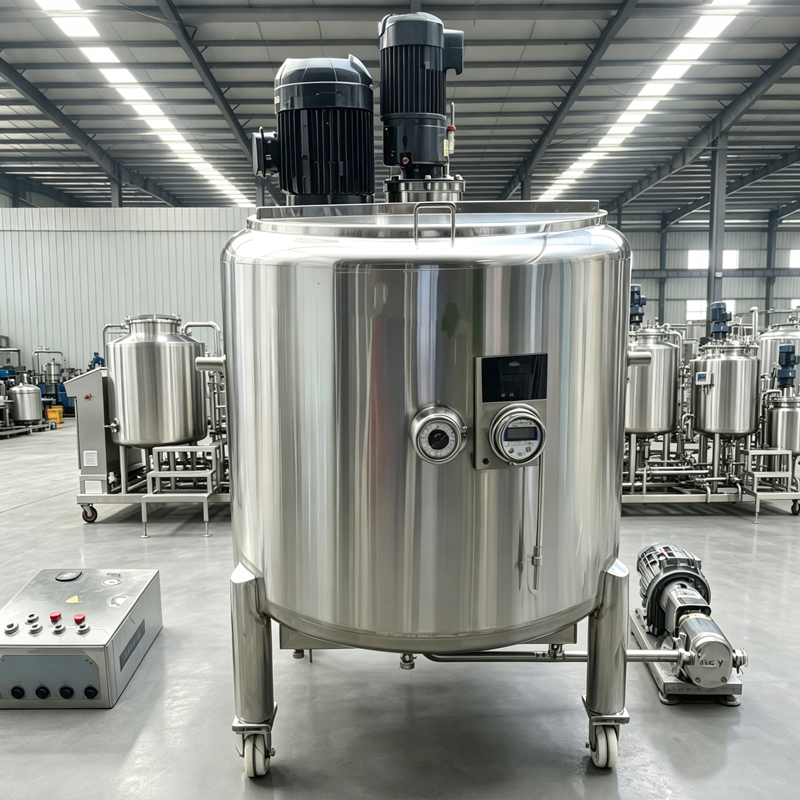
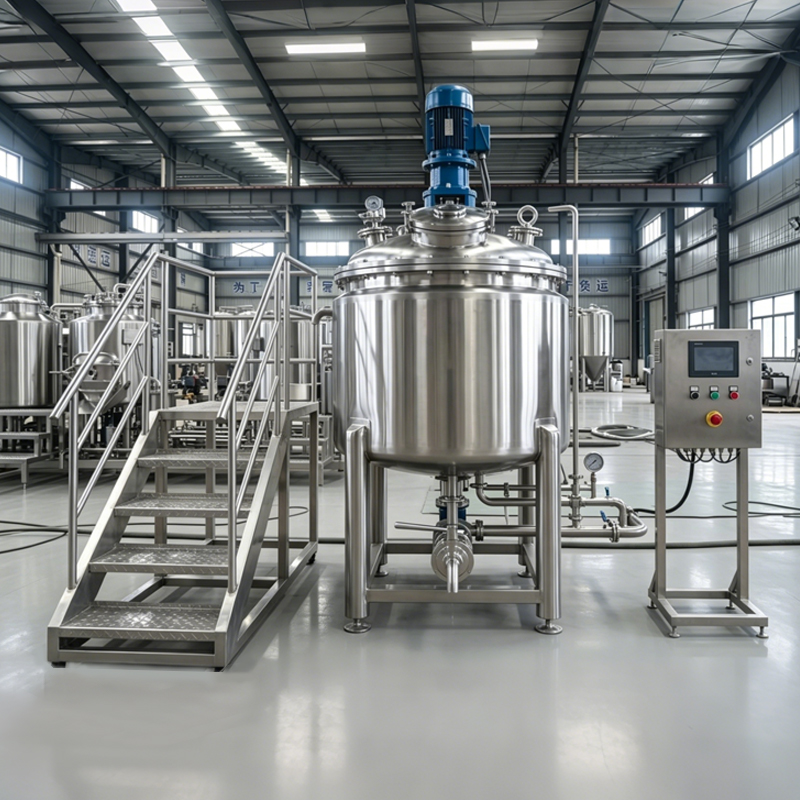
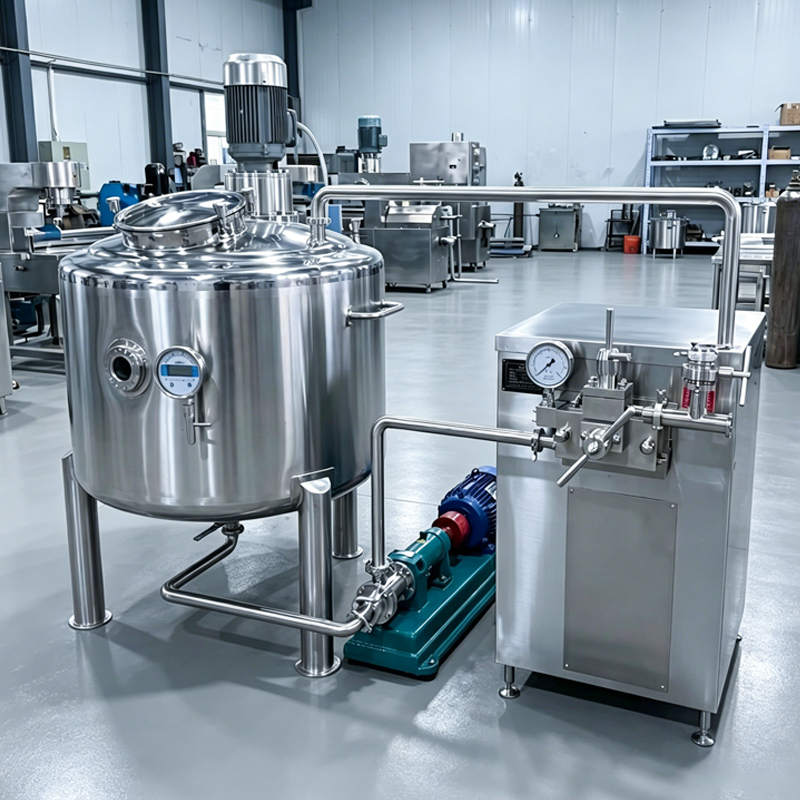
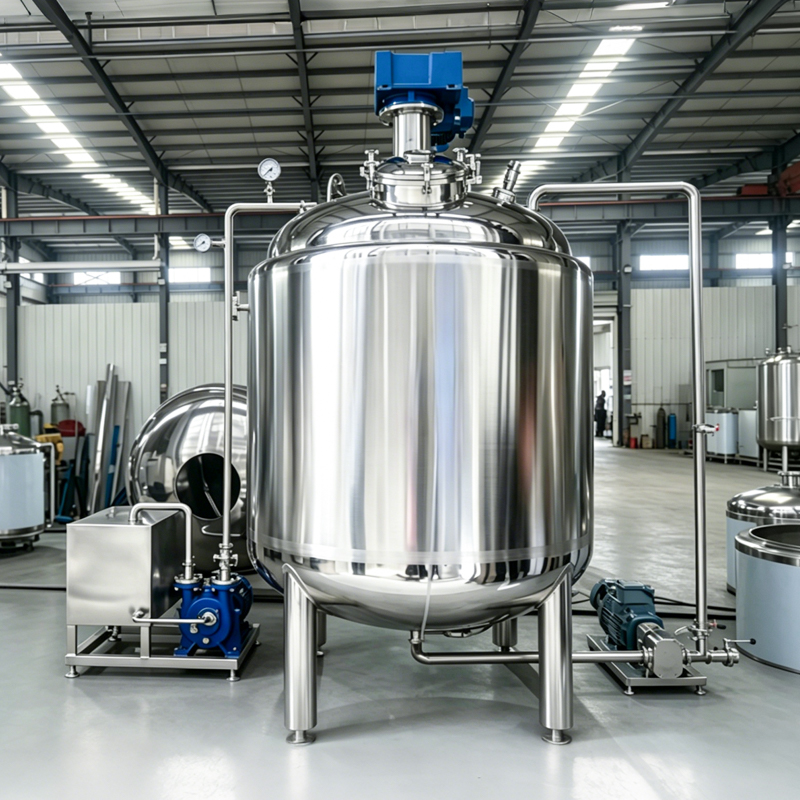
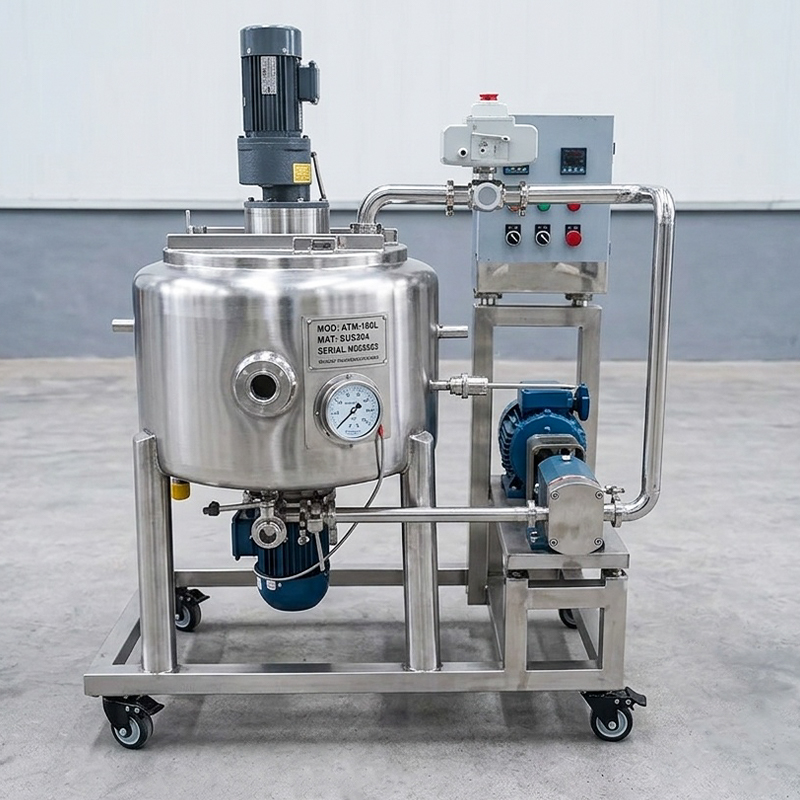
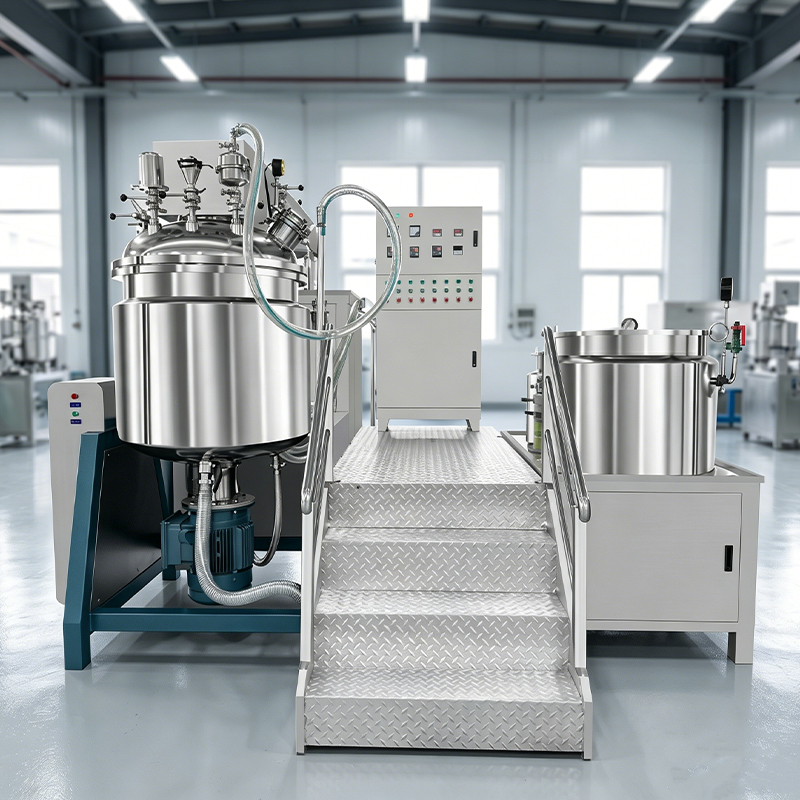
YME provides advanced High Shear and Emulsifying solutions engineered for the intensive processing of immiscible fluids and high-viscosity media. Our engineering focus is on achieving superior particle size reduction and long-term emulsion stability through high-speed rotor/stator dynamics. Ningbo Yuanlong (YME) tanks are designed to handle rigorous dispersing, homogenizing, and emulsifying tasks, featuring precision-balanced mixing heads that minimize vibration and maximize mechanical life. Whether you are producing stable food emulsions, fine chemical dispersions, or high-viscosity dairy blends, our systems deliver consistent droplet distribution and rapid ingredient integration through superior mechanical force.

YME Equipment Co., Ltd.
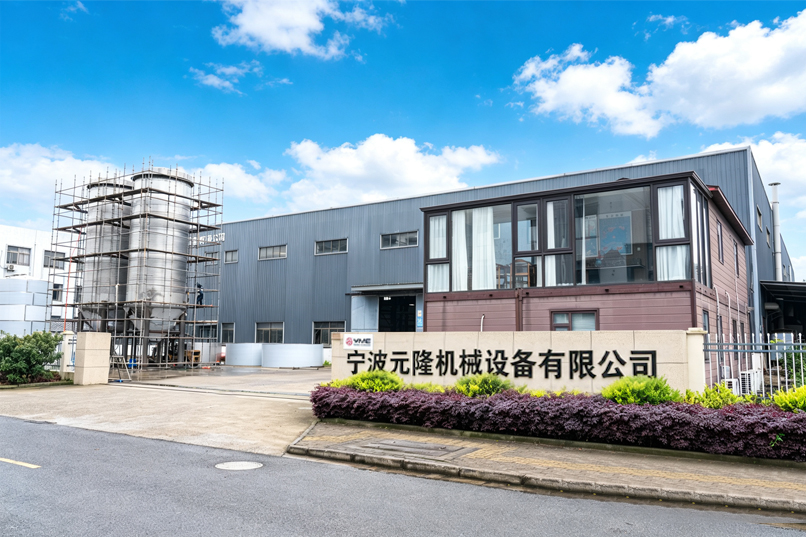
Founded in 2001, YME is headquartered in Ningbo, Zhejiang, China. We are a China High Shear Mixing Tanks Supplier and OEM/ODM Emulsifying Mixing Tanks Company, primarily stainless steel processing business with a modern manufacturing facility covering 6000m3. In recent years, our company has become one of the leaders in the stainless steel products industry, earning wide recognition from customers for our high-quality products and excellent service.
YME's success is built on the strength of our dedicated team—a group of passionate professionals who combine deep industry experience with a relentless drive for innovation. Our designers, engineers, and production staff are not only highly skilled but also continuously undergo advanced training to stay at the forefront of industry trends and technologies. This commitment to excellence allows us to adapt seamlessly to projects of any size and complexity, delivering tailored solutions with precision and creativity. It's this blend of expertise, forward-thinking, and collaborative spirit that enables us to consistently exceed client expectations and bring visionary ideas to life.
Our reach extends across the globe—from manufacturing hubs in Asia to developed markets in Europe, North America, and Australia. This widespread acceptance is the direct result of the lasting partnerships we've cultivated with customers in every region we serve. By consistently providing stainless steel equipment of unparalleled quality, we have built a foundation of trust that looks to the future. Looking ahead, we are committed to strengthening these bonds and expanding our global family, united by a shared vision for excellence.
YME's success is built on the strength of our dedicated team—a group of passionate professionals who combine deep industry experience with a relentless drive for innovation. Our designers, engineers, and production staff are not only highly skilled but also continuously undergo advanced training to stay at the forefront of industry trends and technologies. This commitment to excellence allows us to adapt seamlessly to projects of any size and complexity, delivering tailored solutions with precision and creativity. It's this blend of expertise, forward-thinking, and collaborative spirit that enables us to consistently exceed client expectations and bring visionary ideas to life.
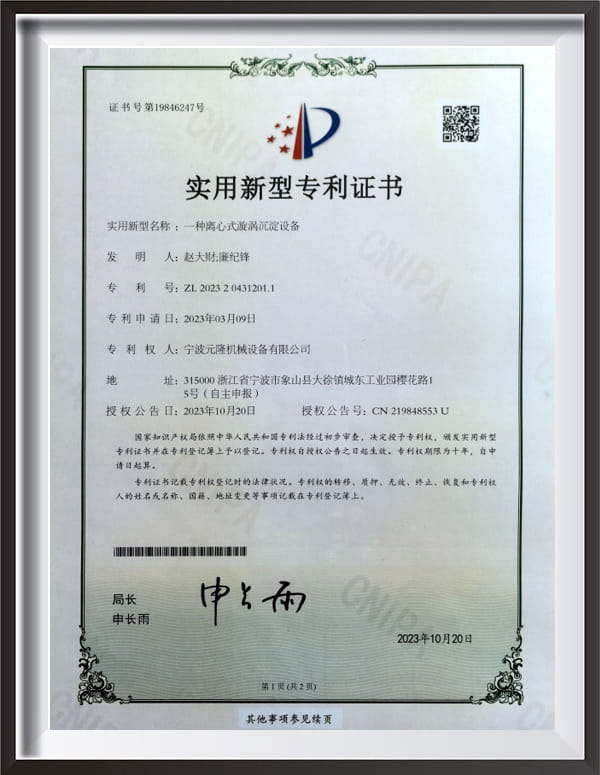
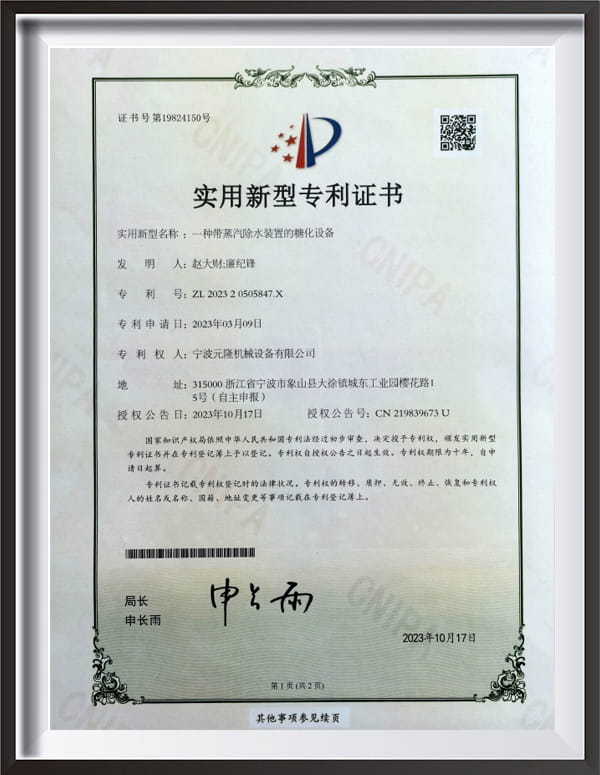
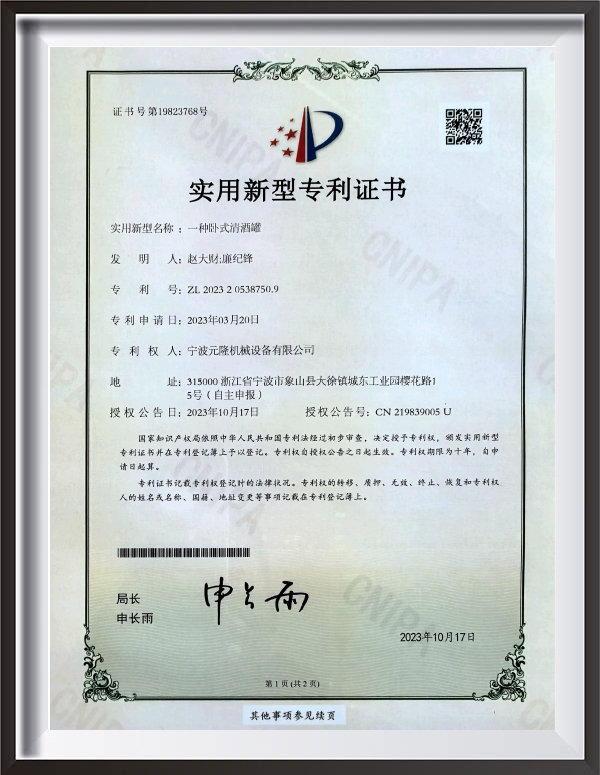
Certificate Of Honor
  • Certificate
  • Certificate
  • Certificate
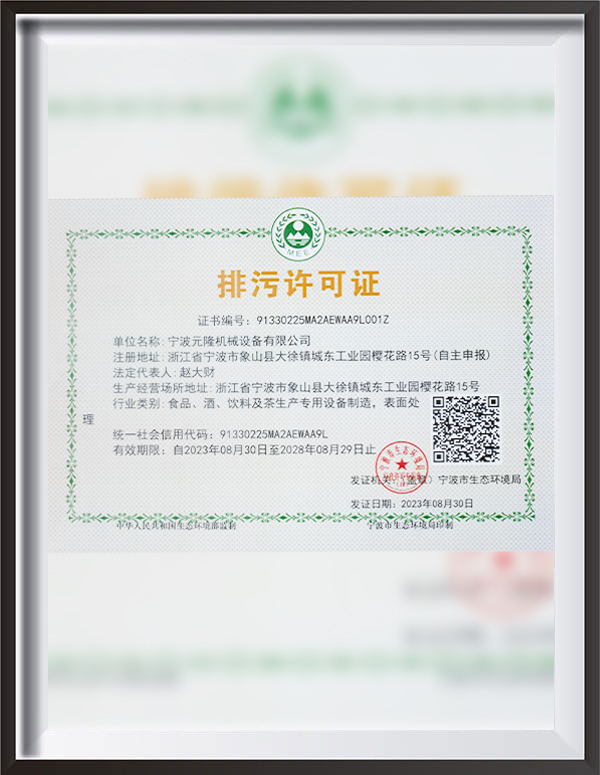
  • Emissions Permit
News
  • What Does a Fermentation Tank Do? The Direct Answer A fermentation tank creates and maintains a controlled environment where microorganisms — typically yeast or bacteria — convert sugars into alcohol, carbon dioxide, acids, or other byproducts through a biochemical process called fermentation. The ...

    READ MORE
  • What Are the Different Types of Storage Tanks? Quick Answer Storage tanks are generally classified by three factors: construction material, shape and orientation, and pressure or temperature design. The most common categories are stainless steel storage tanks, vertical and horizontal tanks, single-...

    READ MORE
  • What Is a Mixing Tank? The Direct Answer A mixing tank is an enclosed or open vessel — typically fabricated from stainless steel — that uses a rotating agitator to blend liquids, powders, or a combination of both into a homogeneous mixture. The tank provides the containment and structural body, whi...

    READ MORE
High Shear & Emulsifying Tanks Industry knowledge

High Shear Mixing Tanks: Engineering Fine Particle Dispersion

High Shear Mixing Tanks solve a problem that conventional agitators cannot: breaking down solids, dispersing powders, and reducing droplet size to a micron level within a single sanitary vessel. Instead of relying on bulk fluid movement alone, these systems pull the product through a tight clearance—often less than 0.5–3 mm—between a rotor and stator, subjecting it to intense mechanical shear thousands of times per minute.

Closely related, Emulsifying Mixing Tanks apply this shear technology to bring together liquids that naturally separate, such as oils and water-based phases, producing a homogeneous and shelf-stable emulsion. Together, these two tank types form the foundation of formulation-heavy industries where texture, appearance, and stability directly determine whether a product succeeds in the market.

Measurable Benefits Over Conventional Mixing

Compared with paddle or anchor-only agitation, high shear emulsifying systems typically deliver:

  1. Finer, more uniform particle and droplet distribution, improving mouthfeel, spreadability, or optical clarity.
  2. Shorter batch cycle times, since powders wet out and disperse faster under high-speed shear.
  3. Better long-term emulsion stability, reducing phase separation during storage and transport.
  4. Lower reliance on synthetic emulsifiers, since mechanical energy alone can stabilize many formulations.
  5. Consistent scale-up results, as shear rate and tip speed can be replicated from lab batches to production volumes.

The Working Principle Behind High Shear Emulsification

Shear, Impact, and Turbulence

As the rotor spins inside the stator, product is drawn axially into the mixing head and forced radially outward through slots or holes in the stator wall. Three mechanical forces act simultaneously: shear between the rotor tip and stator surface, impact against the stator, and turbulent flow as the product re-enters the bulk liquid—together reducing particle size far more effectively than agitation alone.

Dual-Speed Agitation Design

Most tanks pair the high shear head with a slower frame or anchor agitator that scrapes the tank wall and folds product back toward the shear zone. This dual-speed approach prevents stagnant zones and ensures every part of the batch passes through the shear head multiple times during processing.

Temperature and Vacuum Assistance

A jacketed shell circulating hot water allows waxy or fat-based phases to be melted before blending, while an integrated vacuum system removes air bubbles introduced during high-speed mixing—both features are common on emulsifying tanks used for creams, lotions, and sauces.

Matching Tank Configuration to Product Type

Recommended configuration guide based on product viscosity and phase type
Product Type Viscosity Range Recommended Setup
Beverage emulsion base Low Single rotor-stator head, no vacuum
Cream / lotion Medium-high Jacketed tank with vacuum and anchor agitator
Sauce / dressing Medium Bottom-mounted shear head, jacketed heating
Adhesive / coating High Fine stator screen, high-power motor

Manufacturing Experience Behind Reliable Equipment

Building a dependable high shear emulsifying tank depends on more than the shear head itself—tank geometry, polished internal surfaces, seal design, and motor selection all influence long-term performance and cleanability. YME Equipment Co., Ltd, a China-based OEM/ODM fluid process equipment manufacturer with over 20 years of experience, applies this same engineering rigor across its stainless steel processing equipment, which spans brewhouse systems, fermentation vessels, CIP stations, and water treatment alongside its mixing tank range.

This equipment has been supplied to customers across Europe, North America, Australia, and Asia, reflecting long-term partnerships built on consistent stainless steel quality and technical support tailored to projects of varying scale and complexity.

Frequently Asked Questions

Q1: When should a high shear mixing tank be used instead of a standard mixer?
Use a high shear tank when the process requires reducing particle size, dispersing powders quickly, or creating a fine, stable emulsion—tasks that low-speed paddle agitators cannot achieve efficiently.

Q2: What factors affect emulsion stability in these tanks?
Rotor tip speed, stator screen size, batch temperature, mixing time, and the order in which ingredients are added all influence how fine and stable the resulting emulsion will be.

Q3: Is vacuum always necessary for emulsifying tanks?
Not always—vacuum is most beneficial for products sensitive to air entrapment, such as creams and gels, while lower-viscosity liquid emulsions may not require it.

Q4: How often should the rotor-stator components be inspected?
Regular inspection intervals depend on production volume and product abrasiveness, but checking the shear gap and seal condition during routine maintenance helps prevent unexpected downtime.

YME Equipment