What Are Fruit Juice & Beverage Lines?
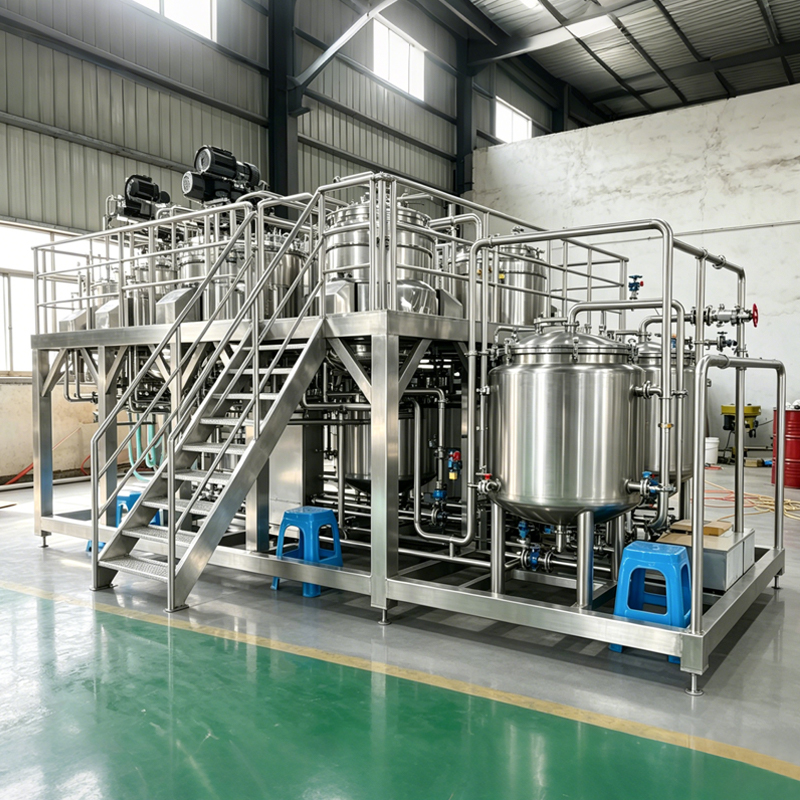
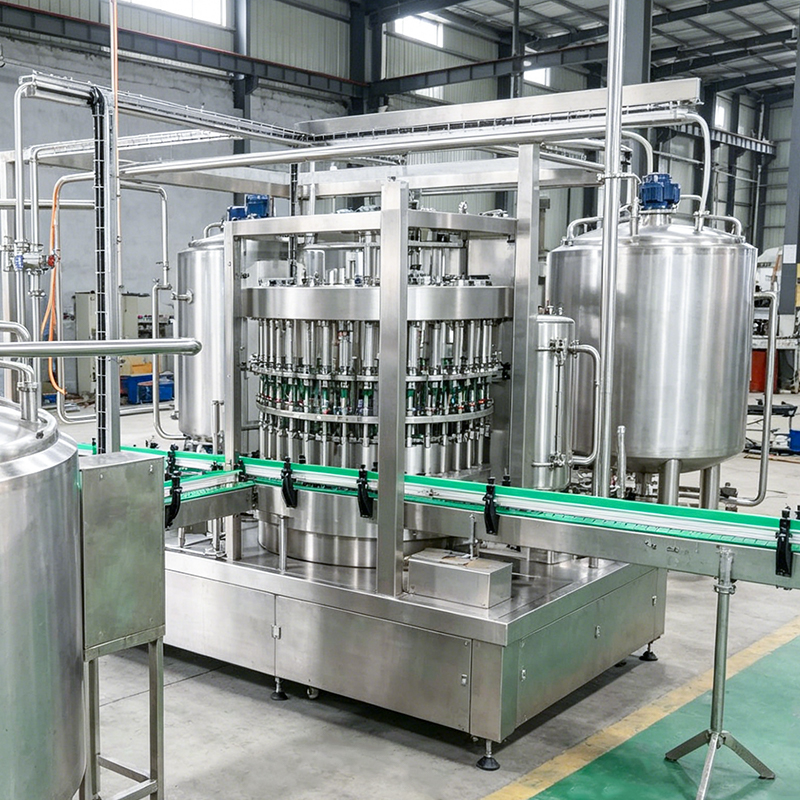
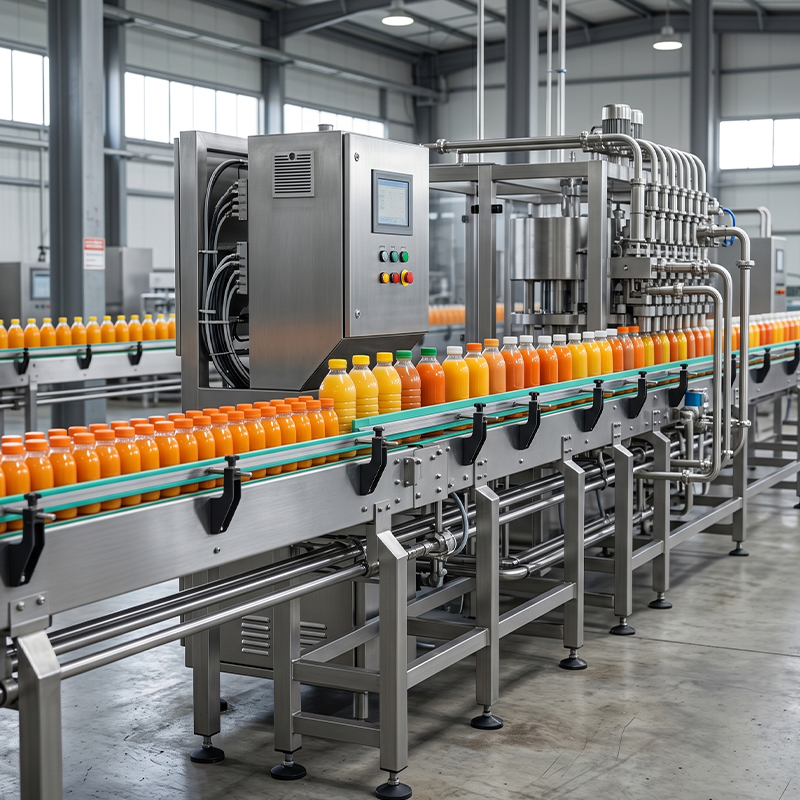
Fruit Juice & Beverage Lines are complete production systems built to take fresh or concentrated fruit through extraction, clarification or pulp control, thermal treatment, and filling into finished juice, nectar, or fruit-flavored beverage products. Unlike dairy lines, these systems are engineered around fruit's higher acidity and variable pulp content, which affects equipment material selection, filtration steps, and how gently the product needs to be handled to preserve fresh flavor and color.
The line design also flexes to support both not-from-concentrate (NFC) juice, which retains more of the fruit's natural character, and reconstituted juice made from concentrate, which requires an additional dilution and blending stage before final packaging.
Key Advantages of a Dedicated Fruit Juice and Beverage Line
Designing a line specifically around fruit processing needs delivers clear quality and efficiency benefits.
- Better flavor and color retention — gentle extraction and rapid thermal treatment minimize oxidation and heat-related flavor loss
- Consistent pulp content control, allowing the same line to produce clear juice or pulpy nectar depending on the product specification
- Flexible formulation, supporting single-fruit juices, fruit blends, and reconstituted-from-concentrate products on shared equipment
- Acid-resistant construction throughout, since fruit juice's low pH would corrode improperly specified equipment over time
- Scalable output, matching equipment sizing to seasonal fruit availability and production demand
Fresh fruit first passes through extraction equipment that separates juice from skins, seeds, and pulp, with the extraction method varying by fruit type — citrus fruits typically use rotary extractors, while softer fruits may be crushed and pressed. The resulting juice then moves through clarification or pulp-finishing equipment, depending on whether the final product needs to be clear or retain a specified pulp level.
Because fruit juice is naturally acidic, thermal treatment can often use slightly lower pasteurization temperatures than dairy products while still achieving adequate microbial safety, since the low pH itself inhibits many pathogens. After pasteurization, the juice is filled either as a fresh product for refrigerated distribution or blended with water and sweeteners if it originated as concentrate destined for ambient shelf-stable packaging.
Blending Concentrate-Based Products
For juice reconstituted from concentrate, an inline blending system precisely doses water, concentrate, and any required additives according to a calibrated recipe, ensuring the final Brix level and flavor profile match the target specification batch after batch.
Comparing Juice and Beverage Product Categories
Different finished products place different demands on the processing line's clarification and blending stages. The table below outlines general category characteristics.
General processing characteristics across common juice and beverage product categories
| Product Category |
Key Processing Step |
Typical Distribution |
| NFC juice |
Extraction and pasteurization only |
Refrigerated |
| Reconstituted juice |
Concentrate dilution and blending |
Ambient, shelf-stable |
| Fruit nectar |
Pulp finishing and sweetening |
Ambient or refrigerated |
| Fruit-flavored still/carbonated beverage |
Blending and optional carbonation |
Ambient, shelf-stable |
Industry Applications and Manufacturing Expertise
Fruit juice and beverage lines support producers ranging from small regional juice bottlers to large export-focused manufacturers supplying both NFC and concentrate-based products across international markets. A well-designed line allows a single facility to flex between fresh seasonal fruit runs and year-round concentrate-based production as needed.
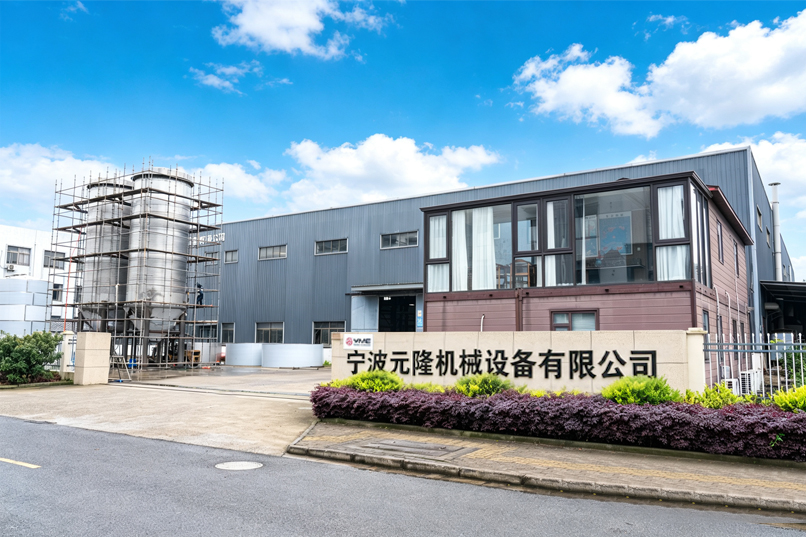
As a China-based OEM/ODM manufacturer of fluid process and brewery equipment with over 20 years of industry experience, YME Equipment Co., Ltd designs and delivers fruit juice and beverage lines as part of comprehensive turnkey solutions, from brewhouse and fermentation systems to CIP stations and full water treatment. YME's designers, engineers, and production staff continuously undergo advanced training to stay at the forefront of juice processing technology, allowing the company to adapt line configurations to projects of any size and complexity with precision and creativity. YME's stainless steel equipment has been exported to customers across Europe, North America, Australia, and Asia, supported by long-term partnerships built on consistent product quality and tailored engineering.
Frequently Asked Questions
Q1: Why does fruit juice need acid-resistant processing equipment?
Fruit juice's naturally low pH can corrode improperly specified metals over time, so equipment in contact with juice is typically built from grades of stainless steel selected for acid resistance.
Q2: Can the same line produce both clear juice and pulpy nectar?
Yes, by routing product through or around clarification and pulp-finishing stages, the same line can produce either clear juice or pulp-retaining nectar depending on the batch specification.
Q3: How is Brix level controlled in reconstituted juice?
An inline blending system doses concentrate and water according to a calibrated recipe, with inline Brix sensors verifying the final sugar concentration matches the target specification before filling.
Q4: Is pasteurization temperature the same for juice as it is for milk?
Not necessarily; juice's natural acidity can allow slightly lower pasteurization temperatures than dairy products while still achieving adequate microbial safety, though exact parameters depend on the specific fruit and product formulation.



 English
 русский
 عربى
عربى