What Are Dairy & Milk Processing Lines?
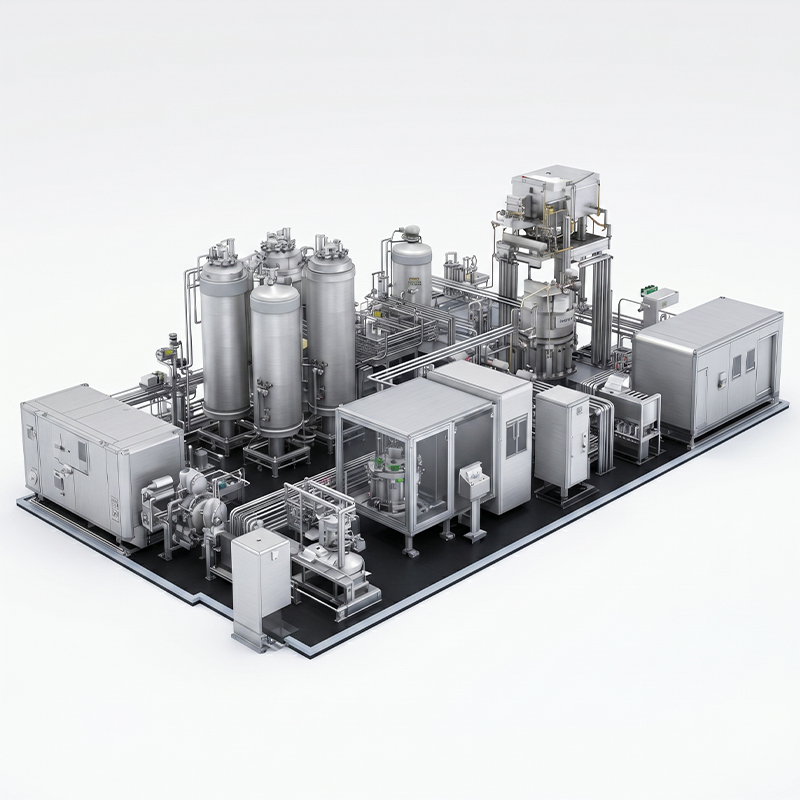
Dairy & Milk Processing Lines are complete production systems built specifically around milk-based products, covering everything from raw milk reception through pasteurization or UHT sterilization, homogenization, and final packaging into pasteurized milk, UHT milk, flavored milk, or cultured drinks such as yogurt beverages. Unlike a general beverage line, a milk-focused line is engineered around milk's specific handling needs, including its sensitivity to heat damage and its requirement for precise fat standardization.
These lines are typically configured as a continuous flow, moving raw milk from chilled storage through each processing stage without unnecessary manual transfers that could introduce contamination risk or temperature fluctuation.
Key Advantages of a Dedicated Milk Processing Line
Building a line specifically around milk's processing requirements offers concrete quality and efficiency benefits.
- Precise fat standardization — automated separation and blending ensure every batch consistently meets its target fat content specification
- Minimal heat damage to milk proteins through carefully calibrated pasteurization or UHT time-temperature profiles
- Consistent texture through homogenization, preventing cream separation during storage and transport
- Flexible product output, allowing the same line to produce pasteurized milk, UHT milk, and flavored variants with adjusted formulation steps
- Reduced contamination risk through continuous, closed-loop processing rather than repeated manual handling
Raw milk arrives at the plant and is stored in a chilled reception tank, typically held at 2–4°C to slow bacterial growth before processing begins. From there, milk passes through a centrifugal separator that divides it into skim milk and cream streams, which are then recombined in precise ratios during standardization to hit the target fat percentage for whole, reduced-fat, or skim milk products.
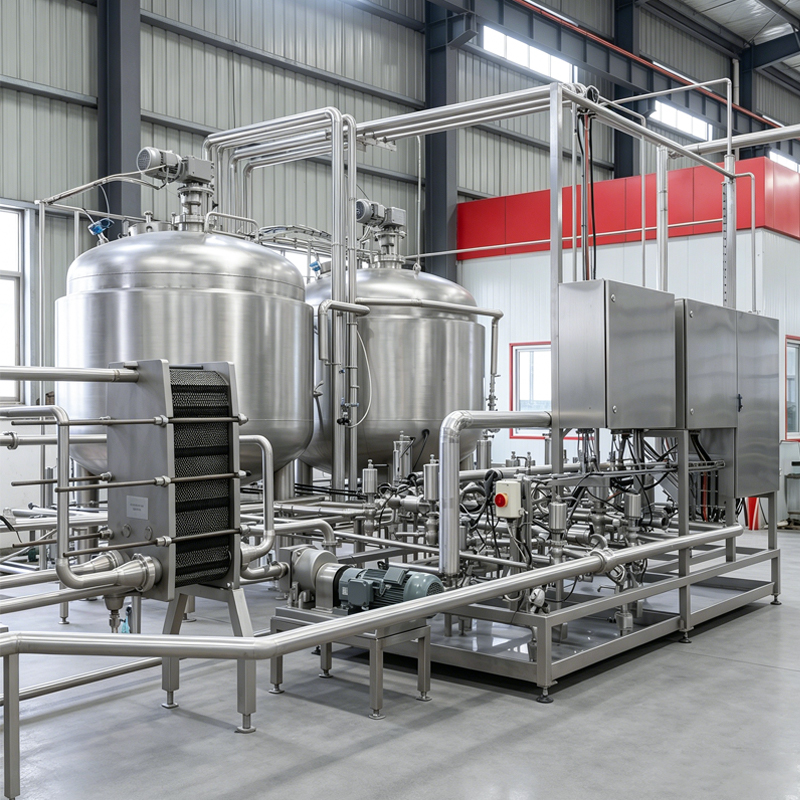
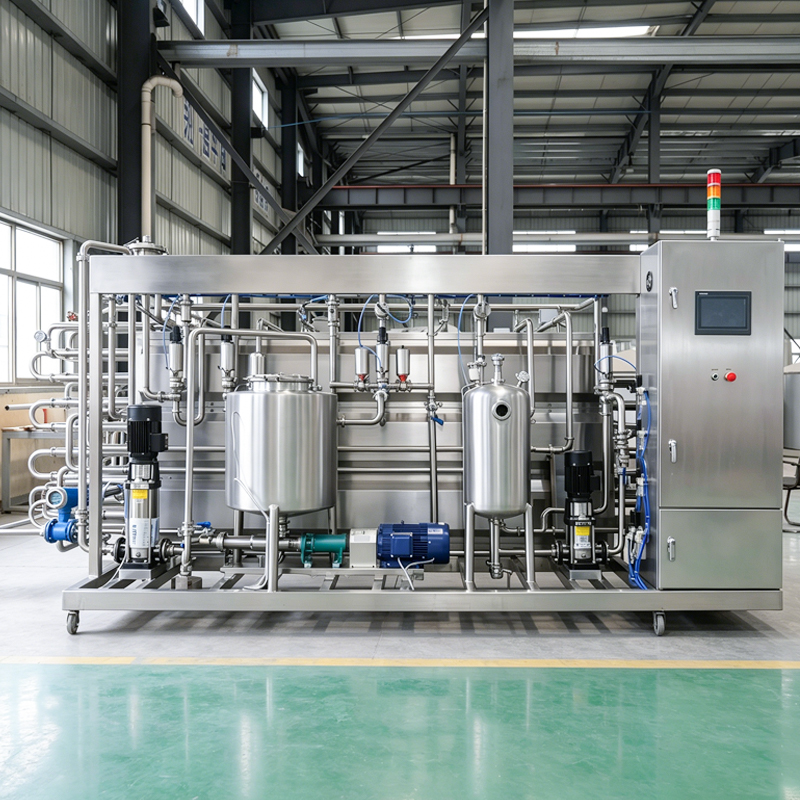
Standardized milk then moves through a plate heat exchanger for pasteurization — commonly 72°C for 15 seconds under HTST conditions — or through a UHT system running at higher temperatures for ambient-stable products. Homogenization follows immediately after heat treatment, breaking down fat globules under high pressure so the finished product resists cream separation throughout its shelf life.
Producing Flavored and Cultured Milk Variants
For flavored milk or cultured drinks like yogurt beverages, an additional blending or fermentation stage is inserted after standardization, where flavorings, sweeteners, or live cultures are introduced under controlled, hygienic conditions before the product moves to its final thermal treatment and filling stage.
Comparing Milk Product Processing Requirements
Different milk-based products require different thermal treatment and shelf-life expectations. The table below outlines general processing characteristics.
General processing characteristics across common milk-based products
| Product Type |
Thermal Treatment |
Typical Shelf Life |
| Pasteurized milk |
HTST, ~72°C/15 sec |
Refrigerated, days to weeks |
| UHT milk |
135–150°C, seconds |
Ambient, months unopened |
| Flavored milk |
Pasteurization or UHT (formula dependent) |
Varies by treatment method |
| Cultured yogurt drinks |
Pasteurization before culturing |
Refrigerated, weeks |
Industry Applications and Manufacturing Expertise
Dairy and milk processing lines are the operational core of dairy plants ranging from regional cooperatives to large export-focused facilities producing UHT milk for long-distance distribution. Their ability to consistently standardize fat content and manage heat treatment precisely is central to meeting both taste expectations and food safety requirements.
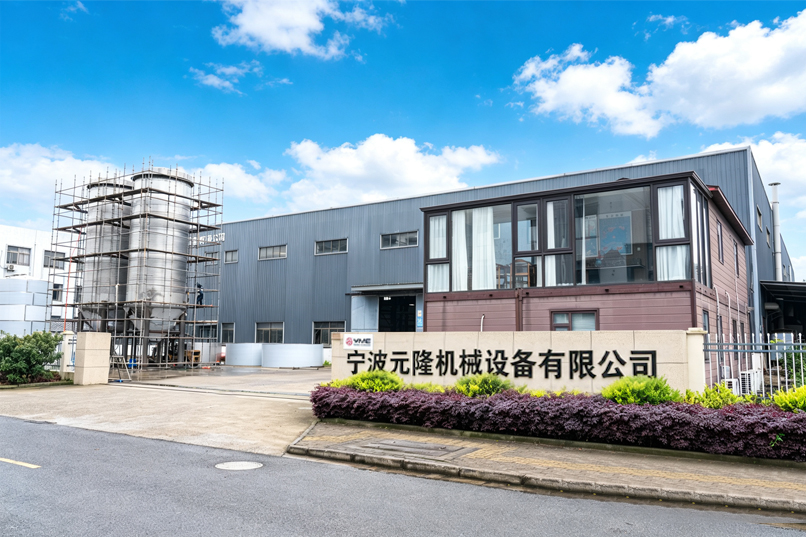
As a China-based OEM/ODM manufacturer of fluid process and brewery equipment with over 20 years of industry experience, YME Equipment Co., Ltd designs and delivers dairy and milk processing lines as part of comprehensive turnkey solutions, from brewhouse and fermentation systems to CIP stations and full water treatment. YME's designers, engineers, and production staff continuously undergo advanced training to stay at the forefront of dairy processing technology, allowing the company to adapt line configurations to projects of any size and complexity with precision and creativity. YME's stainless steel equipment has been exported to customers across Europe, North America, Australia, and Asia, supported by long-term partnerships built on consistent product quality and tailored engineering.
Frequently Asked Questions
Q1: Why does milk fat need to be standardized before packaging?
Standardization ensures every batch of whole, reduced-fat, or skim milk consistently meets its labeled fat percentage, which would otherwise vary naturally between raw milk supplies.
Q2: Can the same line produce both pasteurized and UHT milk?
Yes, many lines are designed with flexible thermal treatment paths, allowing operators to direct product through either a pasteurization or UHT sterilization stage depending on the target shelf-life requirement.
Q3: Why is homogenization necessary for milk products?
Homogenization breaks fat globules into smaller, evenly distributed particles, preventing the cream layer from separating and rising to the top during storage and transport.
Q4: How is flavored milk different to produce compared to plain milk?
Flavored milk requires an additional blending stage where flavorings and sweeteners are introduced under hygienic conditions before or after thermal treatment, depending on the specific formulation and stability requirements.



 English
 русский
 عربى
عربى