What Are Brewhouse Systems?
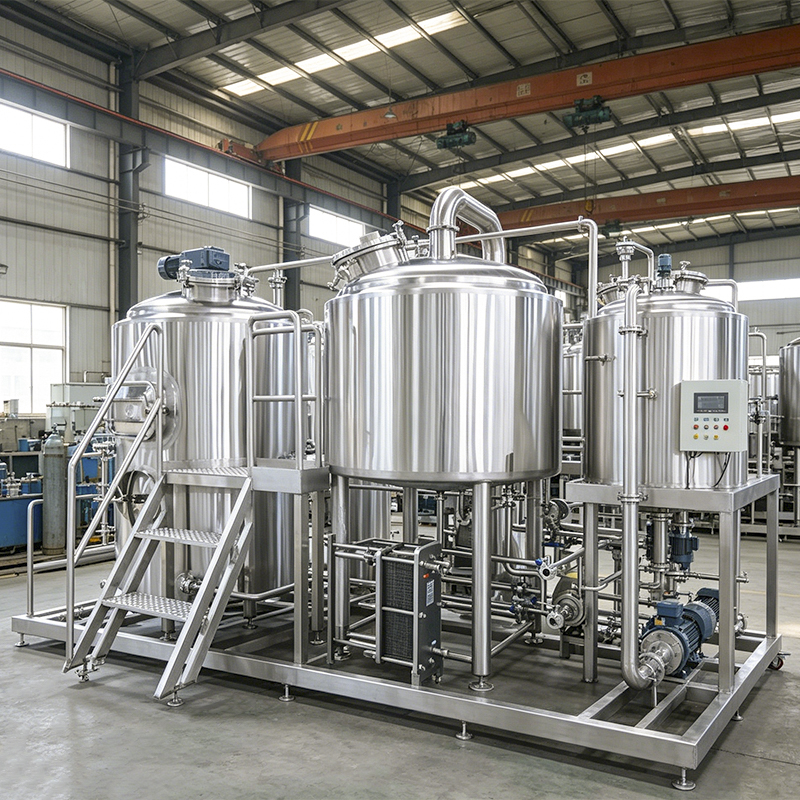
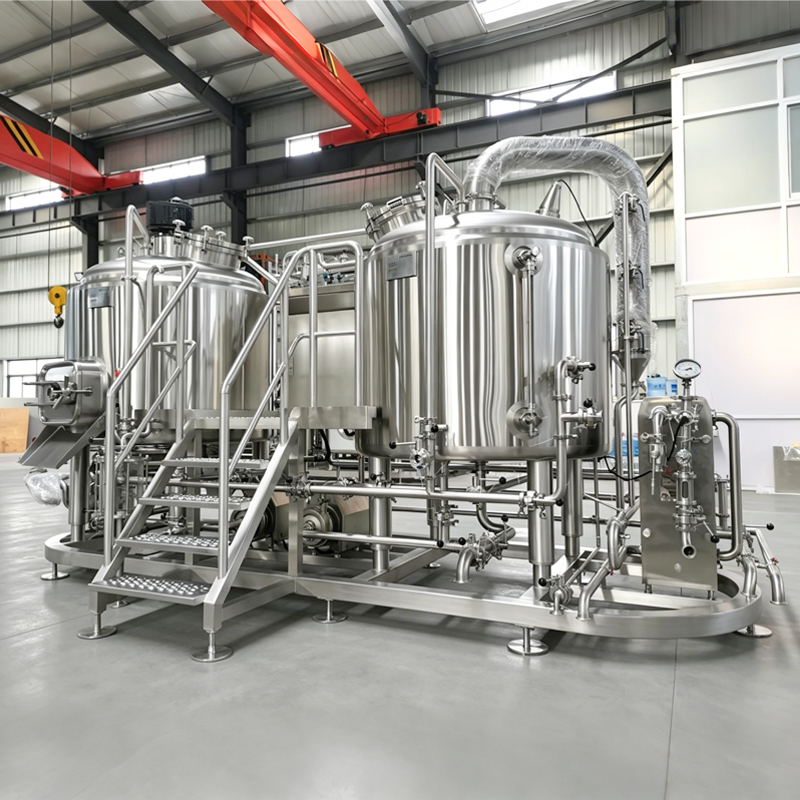
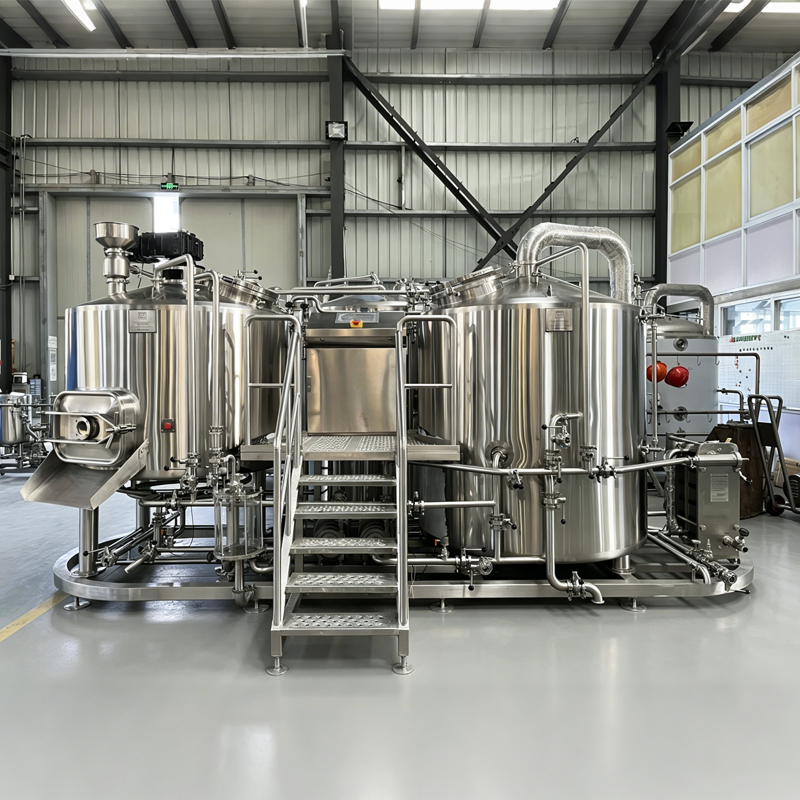
Brewhouse Systems are the integrated set of vessels and equipment used to convert malted grain into wort, the sugar-rich liquid that yeast later ferments into beer. A complete brewhouse typically includes a mash tun for converting starches to fermentable sugars, a lauter tun for separating liquid wort from spent grain, a brew kettle for boiling and hop addition, and a whirlpool for clarifying the wort before it moves to fermentation.
Nearly all modern breweries rely on Stainless Steel Brewhouse Systems because the material withstands repeated heating cycles, resists corrosion from acidic wort, and can be sanitized thoroughly between brew days without degrading over years of continuous use.
Key Advantages of Stainless Steel Brewhouse Systems
Choosing stainless steel construction for a brewhouse delivers measurable operational and quality benefits.
- Consistent heat transfer — stainless steel's uniform thermal conductivity supports even mashing and boiling temperatures across the vessel
- Long equipment lifespan, since stainless steel resists corrosion from acidic wort and frequent CIP cleaning cycles
- Easier compliance with food-grade hygiene standards, thanks to smooth, non-porous, mirror-polished interior surfaces
- Flexible configuration options, from compact 2-vessel systems for small breweries to 4-vessel systems for higher-volume production
- Reduced maintenance downtime compared to older mild steel or copper systems prone to corrosion and scaling
How Brewhouse Systems Work
The brewing process begins in the mash tun, where crushed malt is mixed with hot water at a controlled temperature — typically 63–72°C — allowing natural enzymes in the malt to convert starches into fermentable sugars. After mashing, the mixture moves to the lauter tun, where a false bottom or rake system separates the liquid wort from the solid spent grain bed.
The clarified wort then transfers to the brew kettle, where it is boiled for roughly 60–90 minutes to sterilize the liquid, extract bitterness and aroma from hops, and drive off unwanted volatile compounds. After boiling, the wort passes through a whirlpool, where centrifugal motion separates out spent hop material and coagulated proteins before the clarified wort is cooled and transferred to fermentation.
2-Vessel, 3-Vessel, and 4-Vessel Configurations
Smaller breweries often combine functions into fewer vessels — for example, using the same tank for mashing and lautering — to reduce equipment cost and footprint. Larger production breweries typically separate each function into its own dedicated vessel, allowing multiple brews to move through different stages simultaneously and increasing daily brewing capacity.
Choosing a Brewhouse Configuration for Your Scale
Brewhouse sizing depends on target batch size, expected annual output, and available floor space. The table below outlines general configuration tiers.
General brewhouse configuration tiers by production scale
| Production Scale |
Typical Batch Size |
Common Vessel Count |
| Nano/pilot brewery |
200L – 1,000L |
2-vessel |
| Craft brewery |
1,000L – 10,000L |
3-vessel |
| Regional/commercial brewery |
10,000L+ |
4-vessel |
Industry Applications and Manufacturing Expertise
Brewhouse systems are the foundation of every brewing operation, from small taproom breweries to large regional production facilities, and the choice of vessel configuration directly shapes daily brewing capacity and process flexibility. Stainless steel brewhouse systems in particular support breweries aiming for consistent product quality across every batch, regardless of scale.
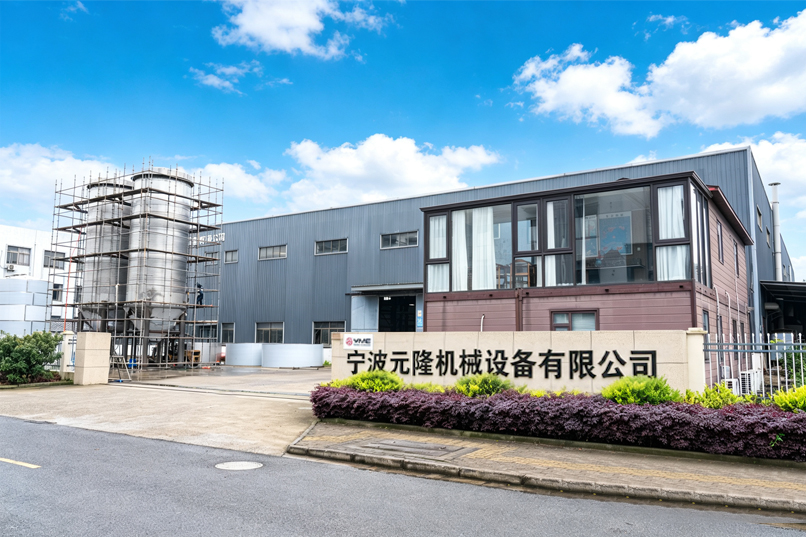
As a China-based OEM/ODM manufacturer of fluid process and brewery equipment with over 20 years of industry experience, YME Equipment Co., Ltd designs and manufactures stainless steel brewhouse systems as part of comprehensive brewery solutions, from brewhouse and fermentation systems to CIP stations and full water treatment. YME's designers, engineers, and production staff continuously undergo advanced training to stay at the forefront of brewing technology, allowing the company to adapt brewhouse configurations to projects of any size and complexity. YME's stainless steel equipment has been exported to customers across Europe, North America, Australia, and Asia, supported by long-term partnerships built on consistent product quality and precise, tailored engineering.
Frequently Asked Questions
Q1: What is the difference between a 2-vessel and a 4-vessel brewhouse system?
A 2-vessel system combines multiple brewing steps into fewer tanks to reduce cost and footprint, while a 4-vessel system dedicates a separate tank to each step, allowing higher throughput and simultaneous processing of multiple brews.
Q2: Why is stainless steel preferred over other materials for brewhouse construction?
Stainless steel resists corrosion from acidic wort, withstands repeated heating and CIP cleaning cycles, and maintains a smooth, sanitary surface that supports consistent product quality over the equipment's service life.
Q3: How long does a typical brewhouse cycle take from mashing to whirlpool?
A full cycle commonly takes between four and six hours, depending on mash rest schedules, boil length, and whirlpool clarification time, though exact timing varies by recipe and system design.
Q4: Can a brewhouse system be expanded later as production grows?
In many cases yes, particularly if the initial system was designed with expansion in mind, allowing additional vessels or a larger kettle to be integrated without a complete equipment overhaul.



 English
 русский
 عربى
عربى