What Are Integrated Kombucha, Cider & Fermented Beverage Lines?
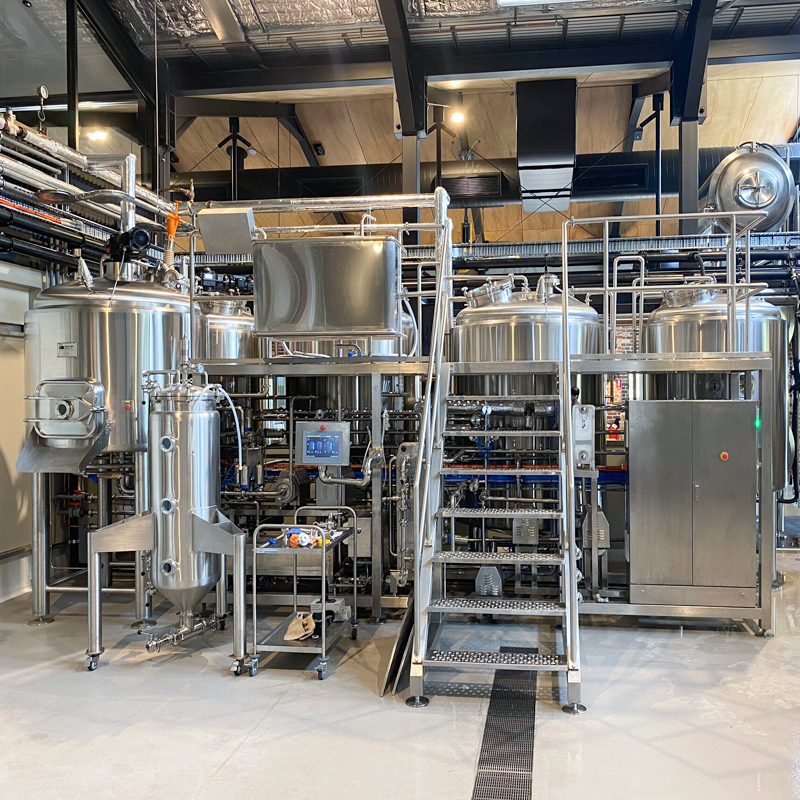
Integrated Kombucha, Cider & Fermented Beverage Lines connect fermentation, filtration, carbonation, and packaging into one continuously coordinated production system, rather than treating each stage as a standalone piece of equipment operated independently. This approach extends beyond kombucha and cider alone to cover the broader category of fermented beverages, including water kefir and other culture-based drinks that share similar acidity and carbonation handling requirements.
Where a standalone fermentation plant might require manual transfer and monitoring between each stage, an integrated line synchronizes equipment speeds and control logic so product moves from raw ingredient to finished, packaged beverage with minimal manual intervention.
Key Advantages of a Fully Integrated Fermented Beverage Line
Coordinating every stage as one system rather than a series of separate machines delivers concrete operational benefits.
- Reduced manual handling — synchronized transfers between fermentation, filtration, and carbonation stages lower labor requirements and contamination risk
- Consistent carbonation and clarity across every batch, since integrated controls apply the same process parameters automatically
- Faster changeover between different fermented beverage products, since shared line infrastructure reduces reconfiguration time
- Centralized monitoring of temperature, pH, and carbonation levels from a single control interface across the entire line
- Improved traceability, since integrated systems can log process data automatically for each batch as it moves through the line
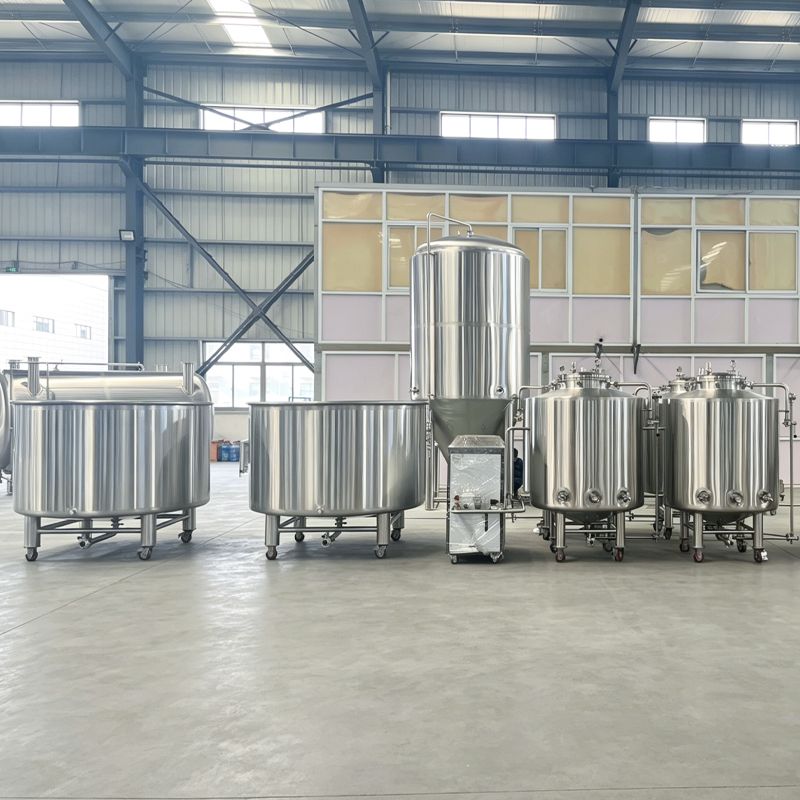
Product begins in the fermentation stage — SCOBY culture for kombucha, yeast for cider, or other culture types depending on the beverage — where temperature-controlled tanks maintain optimal fermentation conditions until the batch reaches its target acidity and flavor profile. Once fermentation completes, the product is automatically transferred through sanitary piping to filtration equipment that removes residual culture material or sediment.
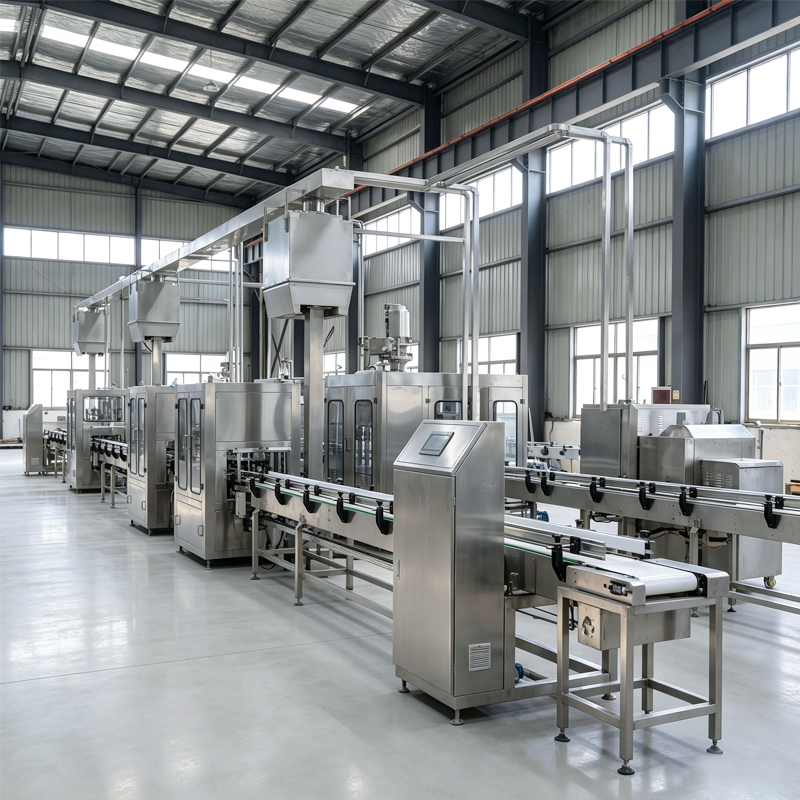
From filtration, the beverage moves to a carbonation stage, where either natural conditioning or forced CO2 injection brings the product to its target carbonation level under a shared control system that tracks pressure and dissolved CO2 in real time. The line then transitions directly into filling, with conveyor and pump speeds matched to the filler's throughput so the entire process runs as one continuous flow rather than a series of disconnected batch operations.
Shared Control Logic Across Beverage Types
Modern integrated lines typically use a PLC system programmed with separate recipe profiles for each fermented beverage type, allowing operators to switch between kombucha, cider, or other fermented drinks without manually reconfiguring individual pieces of equipment along the line.
Integrated Line vs. Standalone Equipment Approach
The table below compares an integrated fermented beverage line against operating fermentation, filtration, and packaging as separate standalone processes.
General comparison between an integrated fermented beverage line and standalone equipment operation
| Factor |
Integrated Line |
Standalone Equipment |
| Stage-to-stage transfer |
Automated, synchronized |
Manual, operator-dependent |
| Process monitoring |
Centralized, single interface |
Separate per machine |
| Batch data logging |
Automatic across the line |
Manual recordkeeping |
| Product changeover speed |
Faster, recipe-based switching |
Slower, manual reconfiguration |
Industry Applications and Manufacturing Expertise
Integrated kombucha, cider, and fermented beverage lines are particularly valuable for producers scaling beyond small-batch operations who need repeatable, traceable production without a proportional increase in manual labor. This approach also benefits producers running multiple fermented beverage categories on shared infrastructure, since integrated recipe control simplifies switching between products.
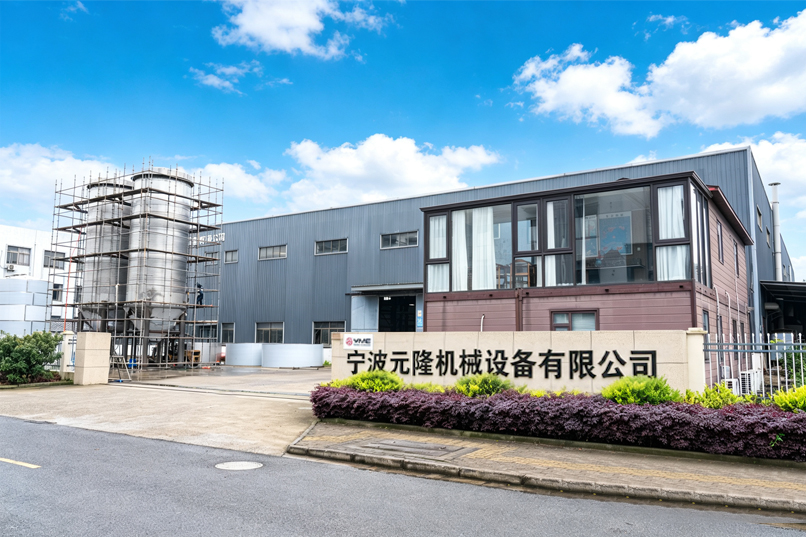
As a China-based OEM/ODM manufacturer of fluid process and brewery equipment with over 20 years of industry experience, YME Equipment Co., Ltd designs and delivers integrated kombucha, cider, and fermented beverage lines as part of comprehensive turnkey solutions, from brewhouse and fermentation systems to CIP stations and full water treatment. YME's designers, engineers, and production staff continuously undergo advanced training to stay at the forefront of fermented beverage line automation, allowing the company to adapt integrated line designs to projects of any size and complexity with precision and creativity. YME's stainless steel equipment has been exported to customers across Europe, North America, Australia, and Asia, supported by long-term partnerships built on consistent product quality and tailored engineering.
Frequently Asked Questions
Q1: Can an integrated line handle fermented beverages beyond kombucha and cider?
Yes, many integrated systems are designed with flexible recipe profiles that can accommodate other culture-based fermented drinks, such as water kefir, provided the line's temperature and carbonation ranges suit the product.
Q2: Does integration reduce the need for manual quality checks?
Integration reduces manual transfer steps and automates data logging, but periodic quality checks such as taste, clarity, and lab-based acidity testing remain an important complement to automated monitoring.
Q3: How quickly can an integrated line switch between different fermented products?
Switching speed depends on the specific recipe profiles programmed into the control system, but integrated lines generally changeover faster than reconfiguring standalone equipment manually for each product.
Q4: Is automated batch data logging useful for regulatory compliance?
Yes, automatically logged temperature, pH, and carbonation data can support traceability requirements and simplify quality documentation compared to manual recordkeeping across separate machines.



 English
 русский
 عربى
عربى