Products

OEM/ODM Compact Brewing Systems
Home / Products / Brewing Equipment / Compact Brewing Systems

Compact Brewing Systems Supplier

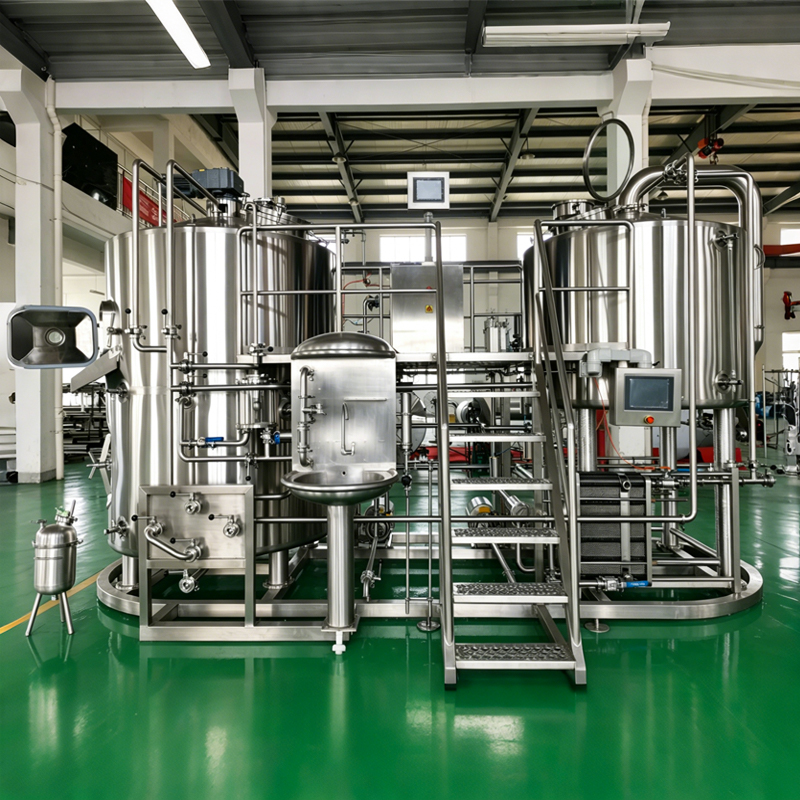
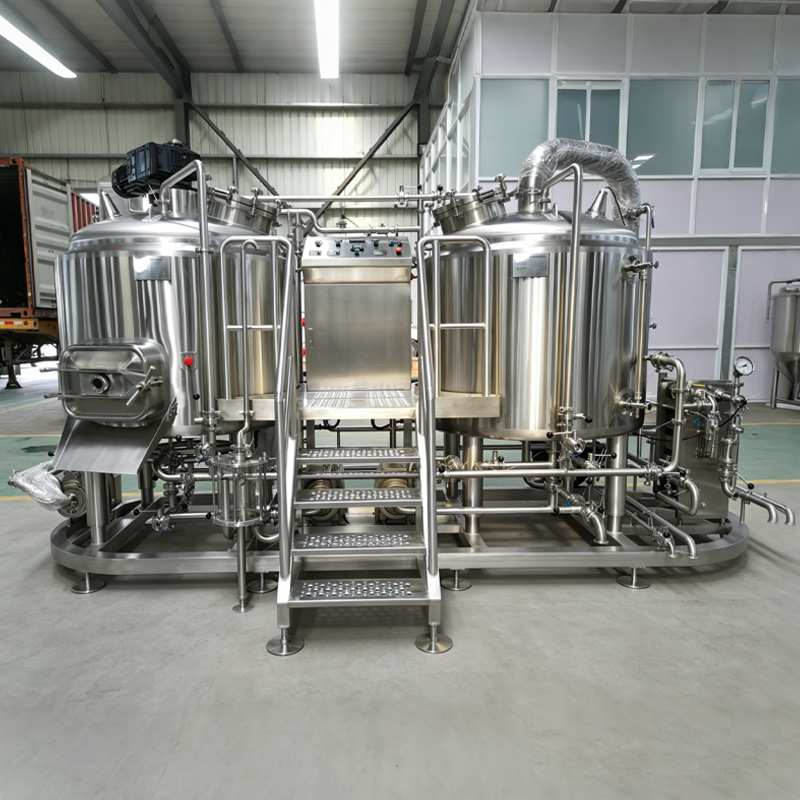
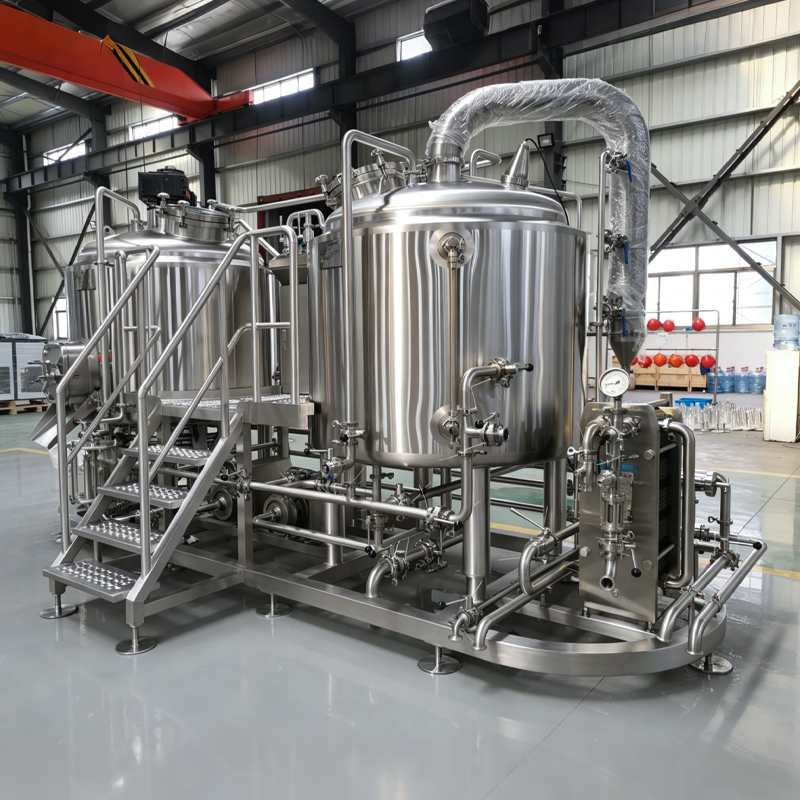
YME specializes in Compact Solutions engineered for high-performance brewing in space-constrained environments. We understand that not every facility has the luxury of vast floor space; therefore, we design integrated, skid-mounted systems that condense professional-grade brewing capabilities into a minimal footprint. Ningbo Yuanlong (YME) focus is on modularity—pre-piped, pre-wired, and factory-tested units that arrive ready for immediate installation. Whether you are operating a boutique brewpub, a pilot research lab, or a production line in a historic building, our compact systems deliver the same precision and thermal efficiency as our large-scale plants while maximizing your operational square footage.

YME Equipment Co., Ltd.
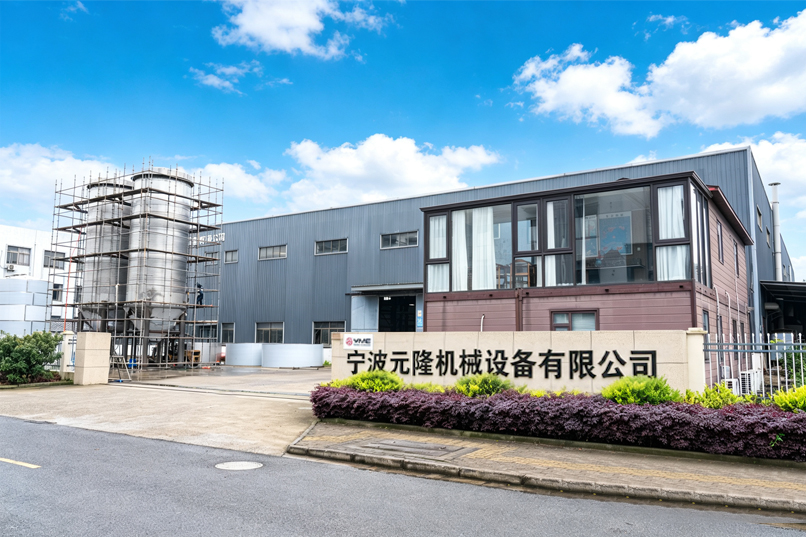
Founded in 2001, YME is headquartered in Ningbo, Zhejiang, China. We are a China Compact Brewing Systems Supplier and OEM/ODM Compact Brewing Systems Company, primarily stainless steel processing business with a modern manufacturing facility covering 6000m3. In recent years, our company has become one of the leaders in the stainless steel products industry, earning wide recognition from customers for our high-quality products and excellent service.
YME's success is built on the strength of our dedicated team—a group of passionate professionals who combine deep industry experience with a relentless drive for innovation. Our designers, engineers, and production staff are not only highly skilled but also continuously undergo advanced training to stay at the forefront of industry trends and technologies. This commitment to excellence allows us to adapt seamlessly to projects of any size and complexity, delivering tailored solutions with precision and creativity. It's this blend of expertise, forward-thinking, and collaborative spirit that enables us to consistently exceed client expectations and bring visionary ideas to life.
Our reach extends across the globe—from manufacturing hubs in Asia to developed markets in Europe, North America, and Australia. This widespread acceptance is the direct result of the lasting partnerships we've cultivated with customers in every region we serve. By consistently providing stainless steel equipment of unparalleled quality, we have built a foundation of trust that looks to the future. Looking ahead, we are committed to strengthening these bonds and expanding our global family, united by a shared vision for excellence.
YME's success is built on the strength of our dedicated team—a group of passionate professionals who combine deep industry experience with a relentless drive for innovation. Our designers, engineers, and production staff are not only highly skilled but also continuously undergo advanced training to stay at the forefront of industry trends and technologies. This commitment to excellence allows us to adapt seamlessly to projects of any size and complexity, delivering tailored solutions with precision and creativity. It's this blend of expertise, forward-thinking, and collaborative spirit that enables us to consistently exceed client expectations and bring visionary ideas to life.
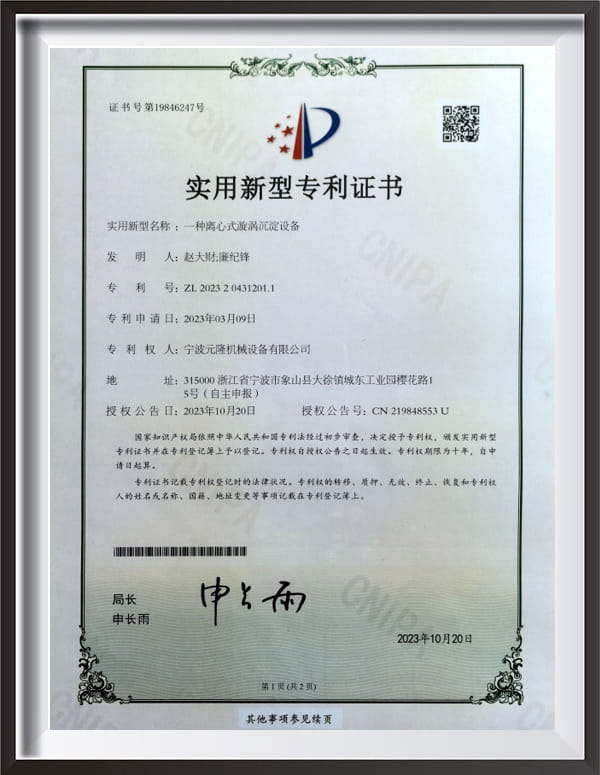
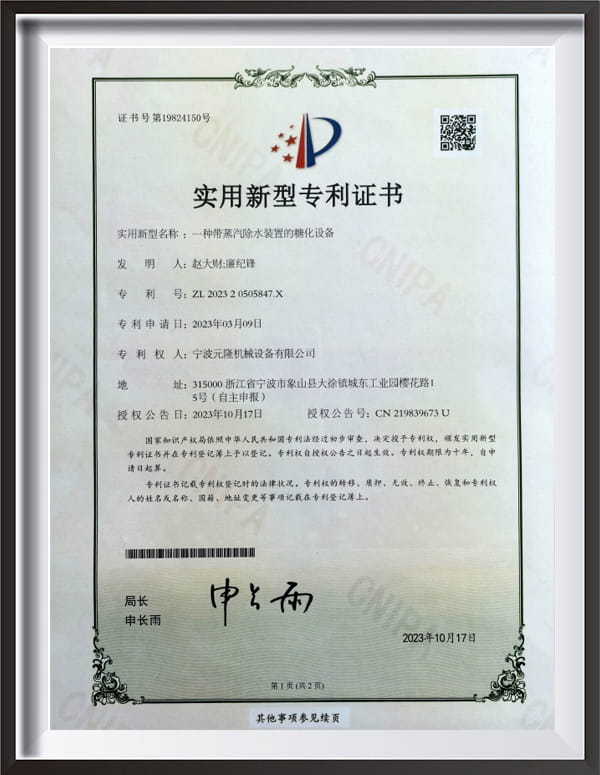
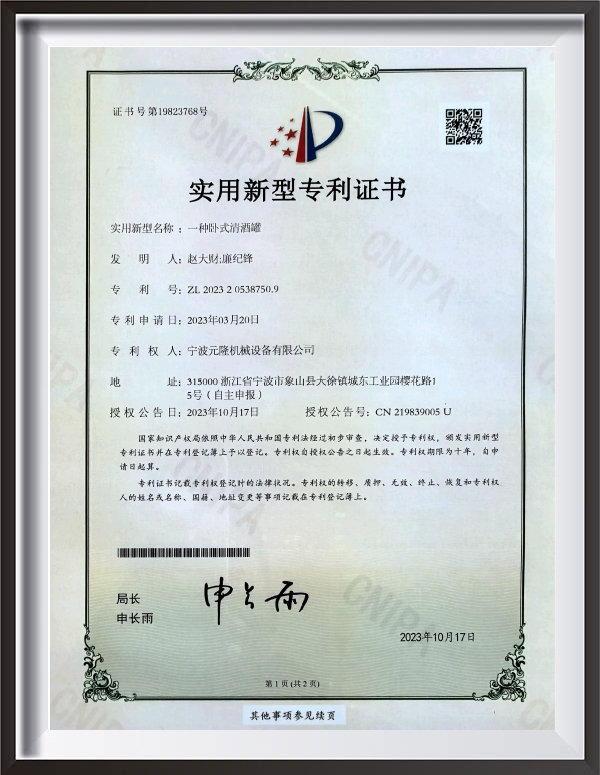
Certificate Of Honor
  • Certificate
  • Certificate
  • Certificate
  • Emissions Permit
News
  • What Does a Fermentation Tank Do? The Direct Answer A fermentation tank creates and maintains a controlled environment where microorganisms — typically yeast or bacteria — convert sugars into alcohol, carbon dioxide, acids, or other byproducts through a biochemical process called fermentation. The ...

    READ MORE
  • What Are the Different Types of Storage Tanks? Quick Answer Storage tanks are generally classified by three factors: construction material, shape and orientation, and pressure or temperature design. The most common categories are stainless steel storage tanks, vertical and horizontal tanks, single-...

    READ MORE
  • What Is a Mixing Tank? The Direct Answer A mixing tank is an enclosed or open vessel — typically fabricated from stainless steel — that uses a rotating agitator to blend liquids, powders, or a combination of both into a homogeneous mixture. The tank provides the containment and structural body, whi...

    READ MORE
Compact Brewing Systems Industry knowledge

What Are Compact Brewing Systems

Compact brewing systems combine mashing, lautering, boiling, and whirlpool functions into a single, space-saving stainless steel package. Instead of spreading each stage across separate vessels and a large footprint, these systems merge two or three tanks into one compact unit, which is why they are favored by taprooms, restaurants, and small-to-mid scale breweries with limited floor space. A typical setup ranges from 500L to 3000L per brew, allowing operators to scale output without expanding their building.

Because the layout is condensed, installation and utility connections are simplified, and the overall investment in piping, platforms, and insulation is reduced compared with traditional multi-vessel brewhouses.

Key Advantages of Compact Brewing Systems

  • Space efficiency: merging mash/lauter and kettle/whirlpool vessels can reduce brewhouse footprint by up to 40% compared to standalone tanks.
  • Lower upfront cost: fewer vessels, valves, and pipe runs mean reduced material and installation expenses.
  • Faster commissioning: pre-assembled skids with integrated control panels can be installed and running within days rather than weeks.
  • Energy retention: shorter transfer distances between combined vessels reduce heat loss during mashing and boiling.
  • Sanitary 304/316 stainless steel construction supports consistent product quality and easier cleaning.

How a Compact Brewing System Works

Mashing and Lautering

Milled grain is mixed with hot water in the combined mash/lauter tun, where enzymes convert starches into fermentable sugars. A false bottom or lauter screen then separates the sweet wort from spent grain.

Boiling and Whirlpool Separation

Wort is transferred to the kettle/whirlpool vessel, where it is boiled with hops and then spun to separate trub before cooling. In many compact designs this vessel doubles as both the boiling kettle and the whirlpool, saving another transfer step.

Transfer to Fermentation and Conditioning

Cooled wort flows into fermenters, and once fermentation and conditioning finish, the finished beer is commonly moved to brite beer tanks (BBT) for carbonation, clarification, and storage before packaging. Pairing a compact brewing system with dedicated brite beer tanks keeps the entire beer processing chain compact while still meeting carbonation and shelf-life requirements.

Typical Configuration Options

Configuration Vessels Combined Best Suited For
2-vessel Mash/Lauter + Kettle/Whirlpool Taprooms, pilot breweries
3-vessel Mash Tun + Lauter Tun + Kettle/Whirlpool Growing production breweries
All-in-one Single tank for all steps Small batch, experimental brews
Common compact brewing system configurations and their typical applications

Choosing a Reliable Manufacturing Partner

A reliable OEM/ODM fluid process equipment manufacturer and brewery equipment supplier with more than 20 years of experience can provide comprehensive brewery solutions—from brewhouse and fermentation systems to CIP stations and full water treatment. This kind of end-to-end support is important because a compact brewing system rarely operates alone; it needs to integrate with cleaning, cooling, and cellar equipment for a smooth production flow.

Suppliers with a global track record across Europe, North America, Australia, and Asia typically maintain higher fabrication and welding standards, since export markets often require stricter certifications. A team of experienced designers and engineers who continuously update their skills can also tailor tank dimensions, insulation, and automation levels to a specific brewery's recipe and production goals.

Frequently Asked Questions

Q1: What size compact brewing system is right for a new taproom?

Most taprooms start with a 500L to 1000L system, which balances batch flexibility with manageable utility and space demands.

Q2: Can a compact brewing system be upgraded later?

 Many designs allow additional fermenters or a second kettle to be added, so breweries can expand capacity without replacing the entire brewhouse.

Q3: How does a compact brewing system affect beer consistency?

Shorter transfer lines and integrated controls reduce temperature fluctuation between stages, helping maintain consistent mash and boil profiles from batch to batch.

Q4: Do compact systems work well with brite beer tanks?

Yes, pairing them with properly sized brite beer tanks ensures carbonation and packaging steps keep pace with brewhouse output.

YME Equipment