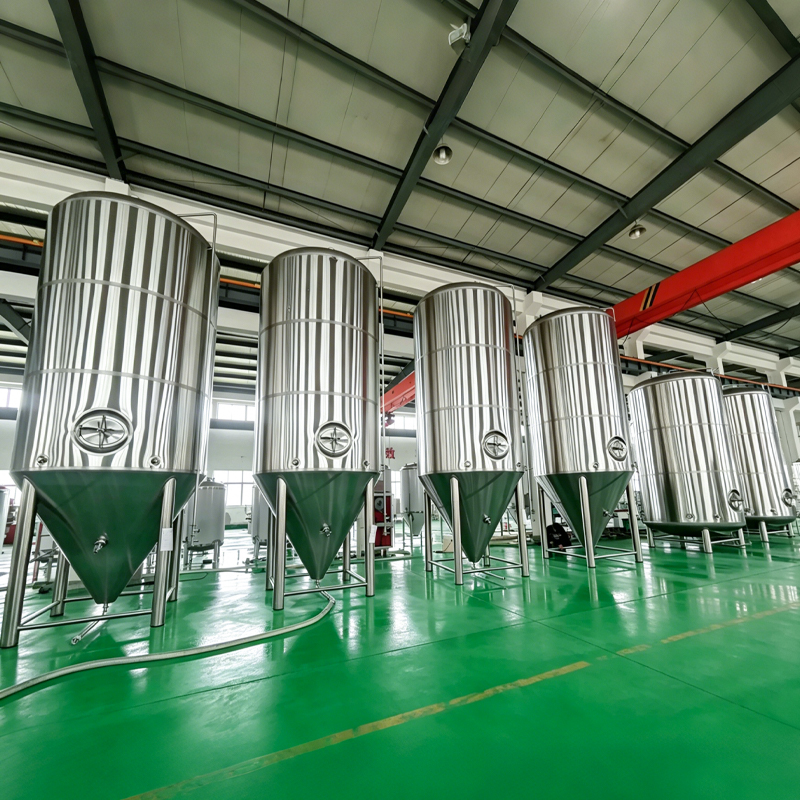
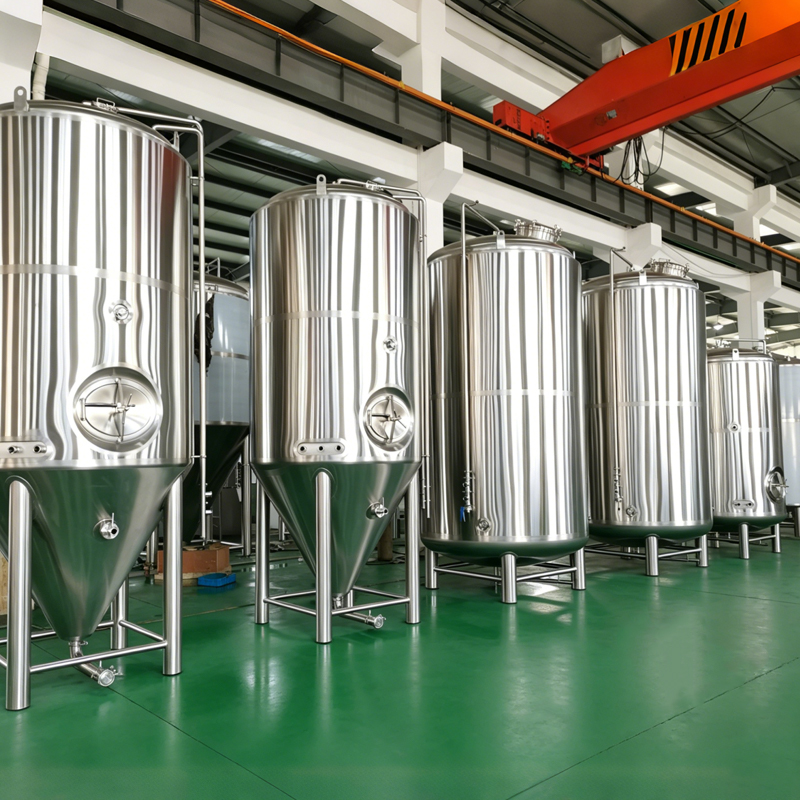
What Is a Brewing Cellar System?
A Brewing Cellar System covers the group of vessels and equipment used after primary fermentation to mature, clarify, and carbonate beer before it moves to packaging. This stage is often called "cellaring," a term carried over from traditional cold cellars once used to slowly condition beer, and it remains one of the most important steps for developing a beer's final flavor, clarity, and carbonation level.
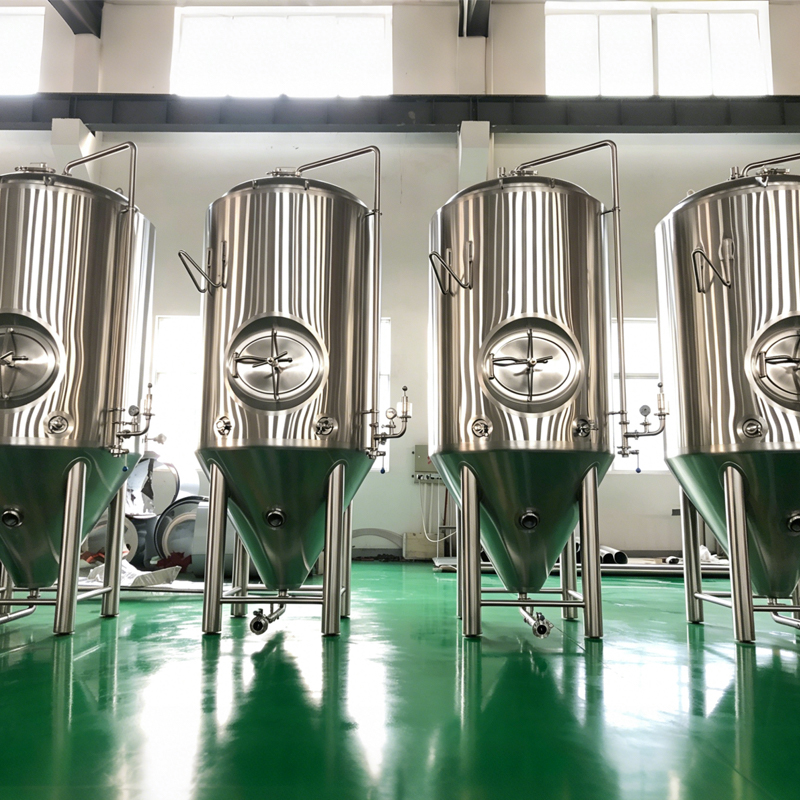
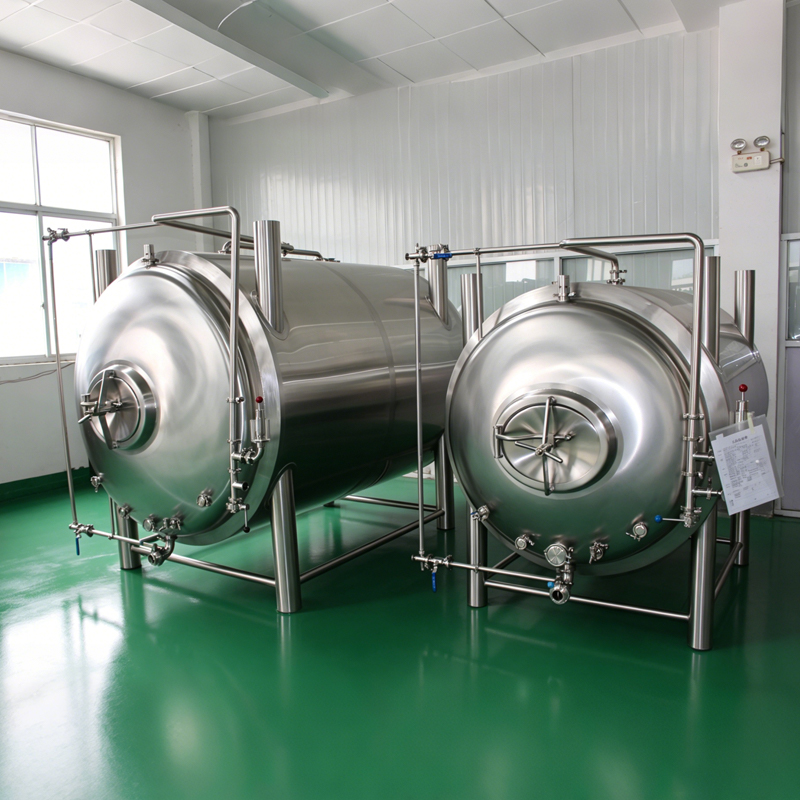
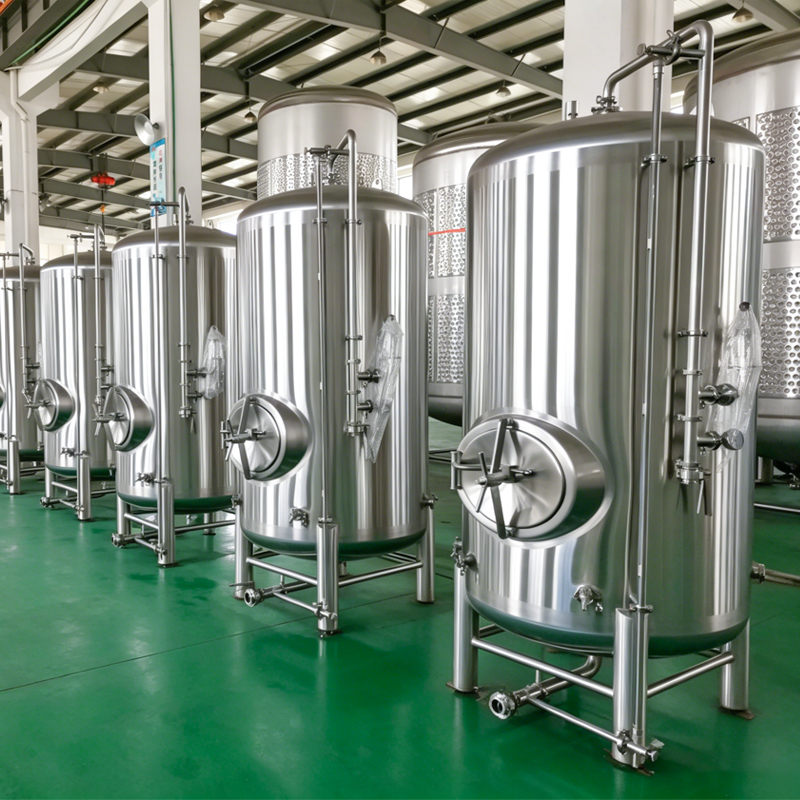
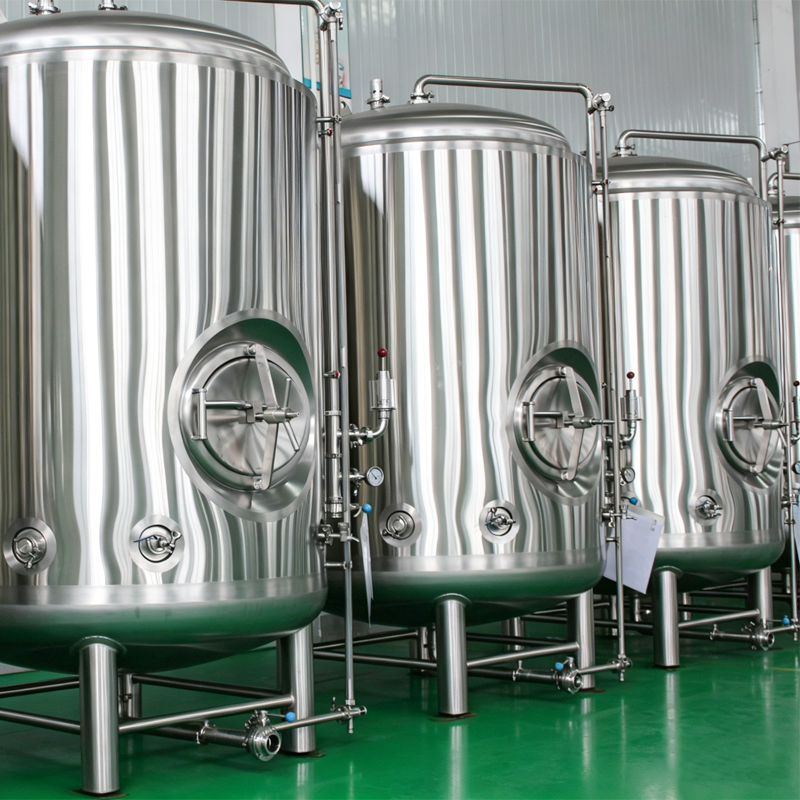
Beer Conditioning Tanks, also known as bright tanks, are the core vessel within this system, holding finished beer at cold temperature while remaining suspended particles settle out and carbonation stabilizes to the target level before filling into kegs, cans, or bottles.
Key Advantages of a Dedicated Cellar and Conditioning Stage
Running beer through a proper conditioning stage before packaging delivers measurable quality and consistency benefits.
- Improved clarity — cold conditioning allows yeast, proteins, and other haze-forming particles to settle out naturally before packaging
- Precise, stable carbonation levels achieved through controlled CO2 injection rather than relying solely on natural conditioning
- Reduced risk of oxidation during transfer, since sealed conditioning tanks minimize beer's exposure to oxygen before filling
- Flexible packaging scheduling, since beer can be held ready in a bright tank until the filling line is available
- Consistent flavor development, as flavor-harsh compounds carried over from fermentation continue to mellow during the cold hold
How Beer Conditioning Tanks Work
After primary fermentation, beer is transferred into a conditioning tank and cooled to near-freezing temperature, typically around -1°C to 2°C, which is cold enough to encourage rapid settling of suspended yeast and haze particles without freezing the beer itself. A cone bottom allows this sediment to collect and be drained off periodically, leaving progressively clearer beer above it.
Carbonation is managed through a carbonation stone or in-line carbonator that injects food-grade CO2 directly into the beer at a controlled rate and pressure, allowing brewers to hit a precise target carbonation level rather than depending entirely on residual CO2 from fermentation. Pressure gauges and relief valves on the tank ensure the vessel maintains safe internal pressure throughout the conditioning period.
Fining and Filtration Support
Some cellar systems add fining agents directly into the conditioning tank to accelerate particle settling, while others route beer through an inline filter before it enters the bright tank. Either approach is intended to shorten the time needed to reach the desired clarity before packaging.
Comparing Conditioning Approaches by Beer Style
Different beer styles require different conditioning times and carbonation targets. The table below outlines general guidelines.
General conditioning time and carbonation guidelines by beer style
| Beer Style |
Typical Conditioning Time |
Carbonation Target (vol. CO2) |
| Light lagers |
2–4 weeks |
2.4–2.6 |
| Ales |
1–2 weeks |
2.0–2.4 |
| Stouts and porters |
1–3 weeks |
1.6–2.2 |
Source: general brewing industry guidelines commonly referenced for conditioning schedules and target carbonation ranges.
Industry Applications and Manufacturing Expertise
Brewing cellar systems and beer conditioning tanks are essential in every brewery that packages finished beer, from small taprooms filling growlers to large-scale operations running high-speed canning or bottling lines. A well-designed cellar stage directly affects the clarity, carbonation consistency, and shelf stability of the finished product.
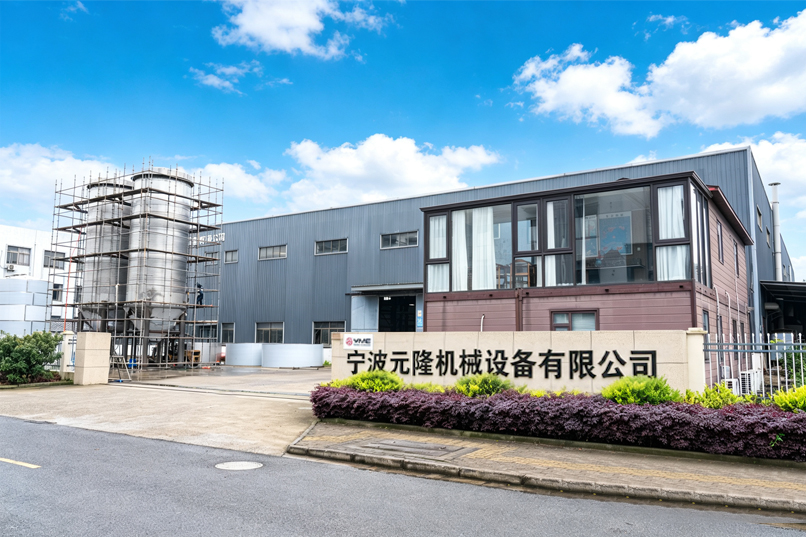
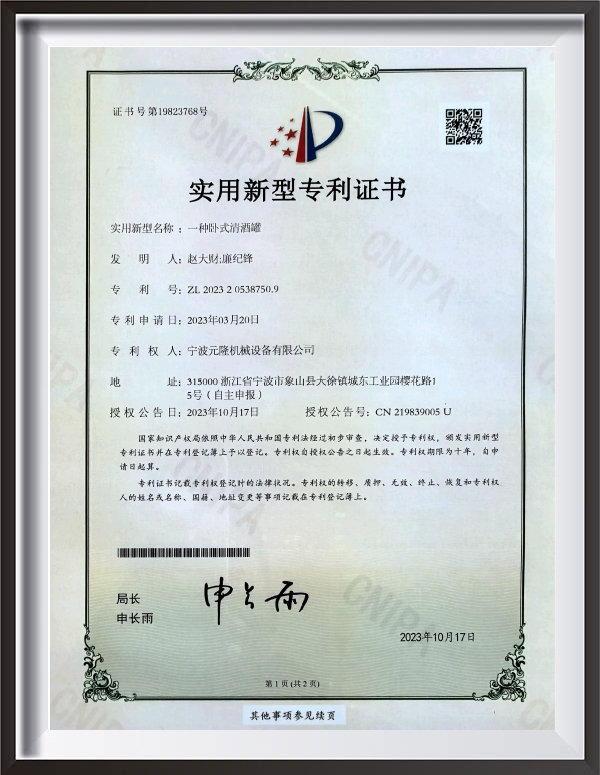
As a China-based OEM/ODM manufacturer of fluid process and brewery equipment with over 20 years of industry experience, YME Equipment Co., Ltd designs and manufactures brewing cellar systems and beer conditioning tanks as part of comprehensive brewery solutions, from brewhouse and fermentation systems to CIP stations and full water treatment. YME's designers, engineers, and production staff continuously undergo advanced training to stay current with cellar process technology, allowing the company to tailor tank sizing and carbonation control to projects of any size and complexity. YME's stainless steel equipment has been exported to customers across Europe, North America, Australia, and Asia, supported by long-term partnerships built on consistent product quality and precise, tailored engineering.
Frequently Asked Questions
Q1: What is the difference between a bright tank and a fermenter?
A fermenter is where active yeast fermentation takes place, while a bright tank (beer conditioning tank) holds already-fermented beer for clarification and carbonation before it moves to packaging.
Q2: How cold should beer be during conditioning?
Most conditioning tanks hold beer near -1°C to 2°C, cold enough to encourage particle settling without risking the beer freezing inside the vessel.
Q3: Can carbonation level be adjusted after beer enters the conditioning tank?
Yes, a carbonation stone or in-line carbonator allows brewers to fine-tune CO2 levels even after the beer has entered the bright tank, giving precise control over the final carbonation target.
Q4: How long can finished beer sit in a conditioning tank before packaging?
This varies by beer style and brewery scheduling, but properly sealed conditioning tanks can safely hold beer for days to weeks without significant quality loss, provided oxygen exposure is minimized.



 English
 русский
 عربى
عربى