What Are Kombucha & Cider Fermentation Plants?
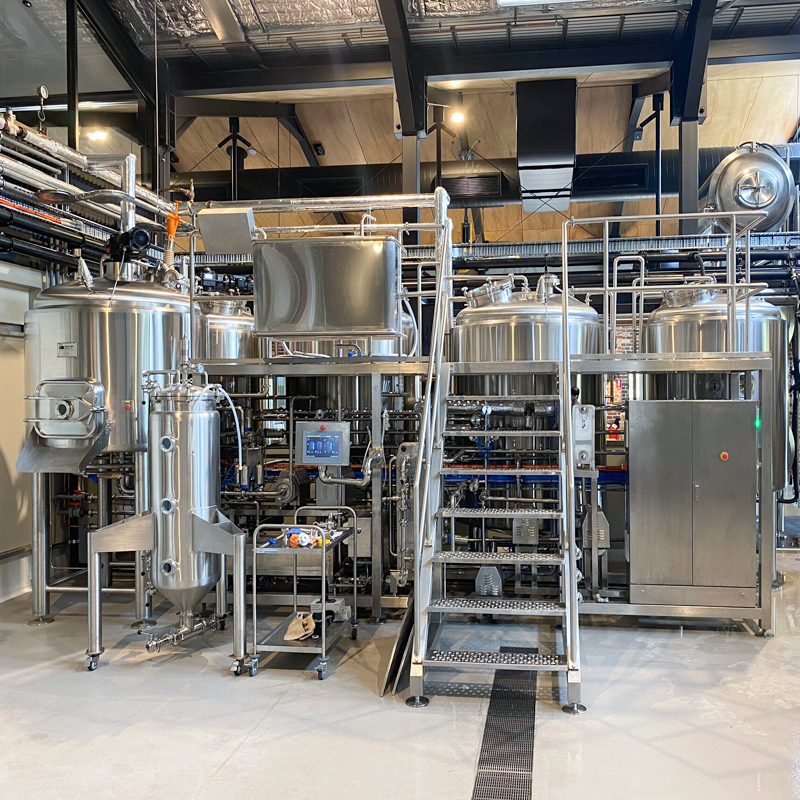
Kombucha & Cider Fermentation Plants are complete production facilities engineered to handle two distinct but related fermentation processes: kombucha's SCOBY-driven bacterial and yeast fermentation of sweetened tea, and cider's yeast-driven fermentation of apple or fruit juice. While the biology differs, both processes share similar equipment needs — acid-resistant vessels, precise temperature control, and careful oxygen management — which is why many facilities are designed to produce both beverage categories using shared or adaptable infrastructure.
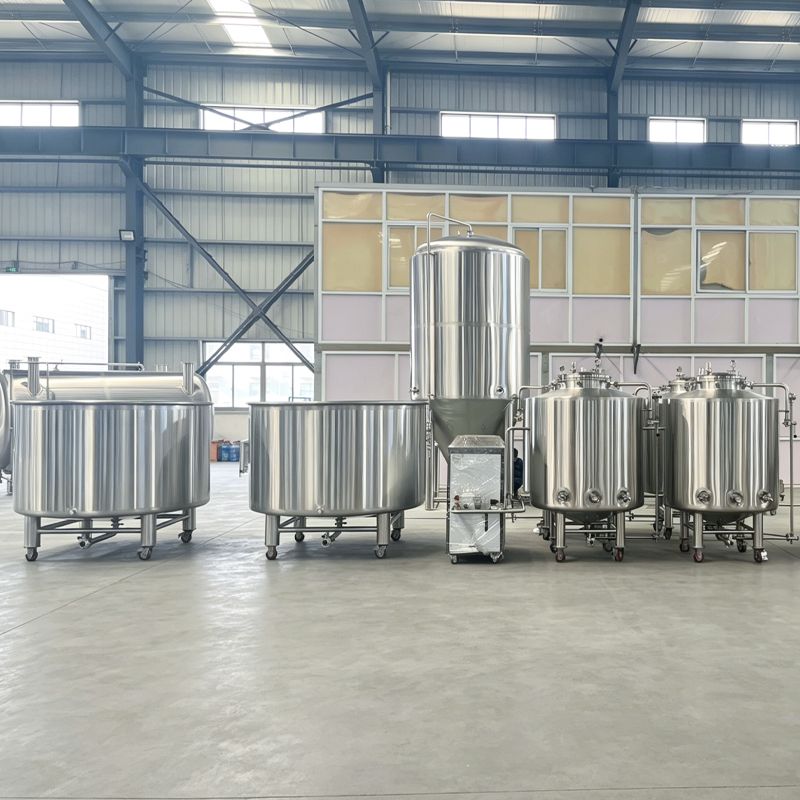
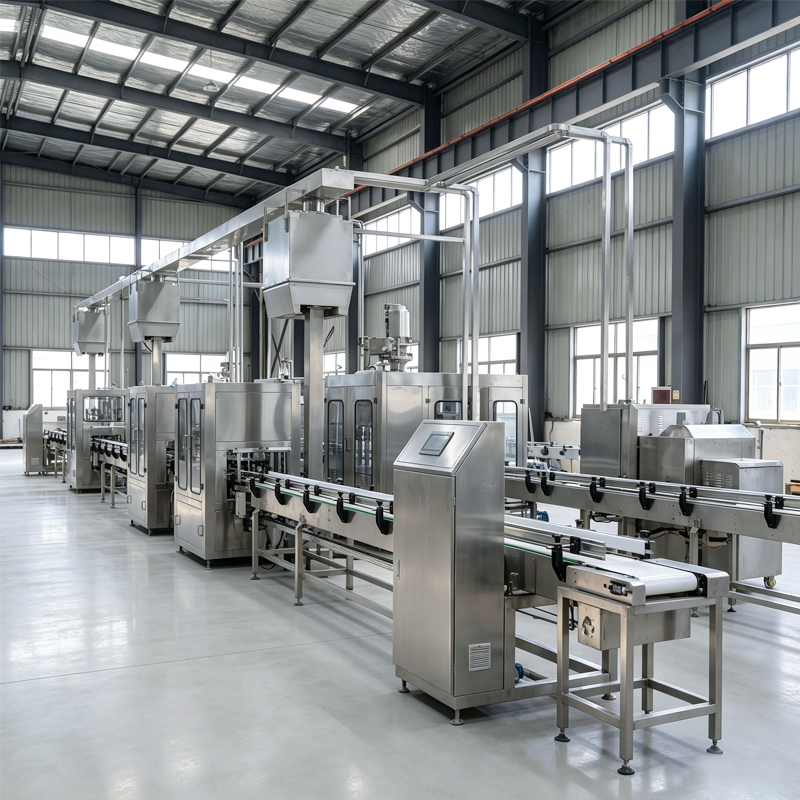
A dedicated plant setup typically includes fermentation tanks, filtration equipment, carbonation systems, and packaging lines configured to handle each beverage's specific acidity, carbonation target, and maturation timeline.
Key Advantages of a Combined Kombucha and Cider Production Plant
Setting up a plant capable of handling both beverage categories offers clear operational benefits for growing beverage producers.
- Shared equipment utilization — acid-resistant tanks and filtration systems can often serve both kombucha and cider production, reducing total equipment investment
- Diversified product portfolio, allowing a single facility to respond to shifting consumer demand between fermented tea and fermented fruit categories
- Consistent quality control processes, since both products benefit from similar temperature and carbonation monitoring practices
- Efficient use of seasonal production capacity, running cider during fruit harvest season and kombucha year-round
- Scalable packaging infrastructure that supports both categories' typical bottle, can, or keg formats
How Kombucha and Cider Fermentation Plants Work
Kombucha production begins with brewed, sweetened tea that is inoculated with a SCOBY (symbiotic culture of bacteria and yeast), which ferments over roughly one to three weeks, converting sugar into organic acids, trace alcohol, and natural carbonation. Cider production instead starts with pressed apple or fruit juice, which is fermented using a wine or cider yeast strain over a typically shorter timeline, converting sugar primarily into alcohol and CO2.
Both processes benefit from tightly controlled fermentation temperatures, generally in the range of 18–26°C, since temperature swings can significantly affect flavor development, acidity balance, and fermentation speed. After primary fermentation, both products typically move through filtration to remove residual culture material or yeast, followed by a carbonation stage — natural for traditionally conditioned kombucha, or forced carbonation for more consistent, faster-turnaround production.
Managing Acidity and Equipment Material Selection
Both kombucha and cider are notably acidic products, which makes acid-resistant stainless steel grades and properly specified gaskets and seals essential throughout the plant to prevent corrosion and off-flavor contamination over repeated production cycles.
While similar in equipment needs, kombucha and cider differ in fermentation biology and timeline. The table below outlines general comparisons.
General production characteristic comparison between kombucha and cider fermentation
| Factor |
Kombucha |
Cider |
| Fermentation culture |
SCOBY (bacteria + yeast) |
Wine/cider yeast strain |
| Typical fermentation time |
7–21 days |
7–14 days |
| Primary output |
Organic acids, low alcohol |
Alcohol and CO2 |
| Common carbonation method |
Natural or forced |
Natural or forced |
Industry Applications and Manufacturing Expertise
Kombucha and cider fermentation plants support a growing category of functional and craft beverage producers seeking to diversify beyond traditional beer and wine offerings. Shared acid-resistant infrastructure allows these facilities to respond flexibly to market trends without needing entirely separate production lines for each product category.
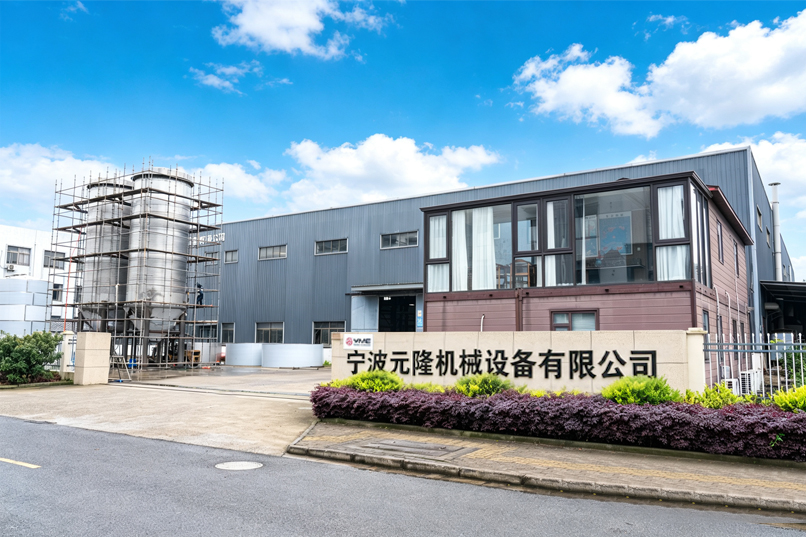
As a China-based OEM/ODM manufacturer of fluid process and brewery equipment with over 20 years of industry experience, YME Equipment Co., Ltd designs and delivers kombucha and cider fermentation plants as part of comprehensive turnkey solutions, from brewhouse and fermentation systems to CIP stations and full water treatment. YME's designers, engineers, and production staff continuously undergo advanced training to stay at the forefront of fermented beverage technology, allowing the company to adapt plant configurations to projects of any size and complexity with precision and creativity. YME's stainless steel equipment has been exported to customers across Europe, North America, Australia, and Asia, supported by long-term partnerships built on consistent product quality and tailored engineering.
Frequently Asked Questions
Q1: Can the same fermentation tanks be used for both kombucha and cider?
Yes, provided the tanks are built from acid-resistant stainless steel and thoroughly cleaned between production runs to prevent cross-contamination of cultures or yeast strains.
Q2: Why is temperature control so important for kombucha and cider fermentation?
Both processes are sensitive to temperature swings, which can accelerate or slow fermentation unpredictably and affect the final balance of acidity, alcohol, and flavor development.
Q3: How is carbonation achieved in kombucha production?
Kombucha can develop natural carbonation during a sealed secondary fermentation stage, or producers can use forced carbonation equipment for more consistent, faster results across batches.
Q4: Does cider require the same filtration steps as kombucha?
Both benefit from filtration to remove residual yeast or culture material, though the specific filter type and pore size may differ based on each product's particle size and clarity requirements.



 English
 русский
 عربى
عربى