What Is a Wine Fermentation Tank?
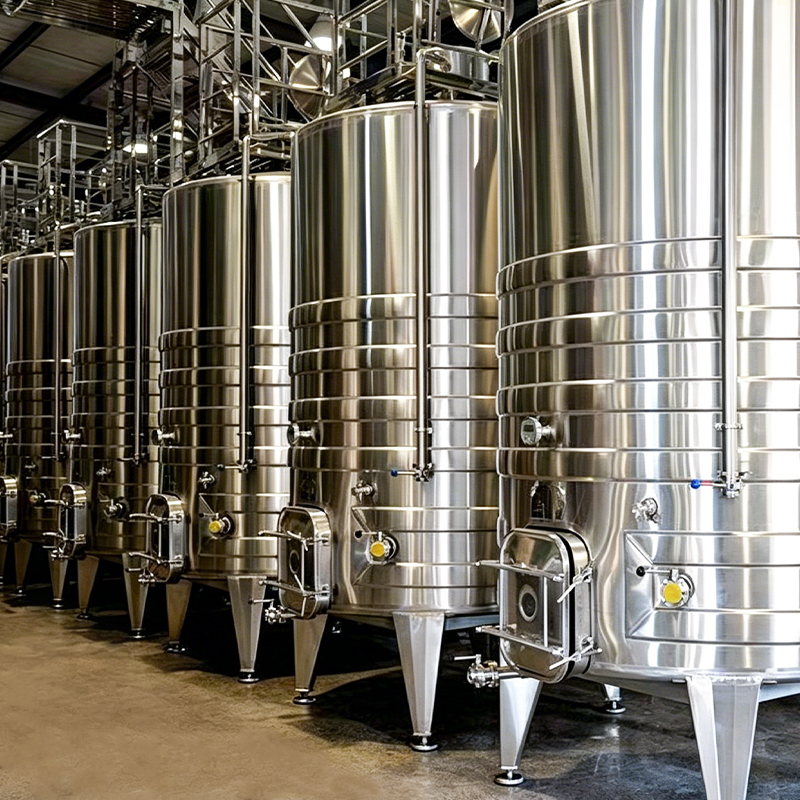
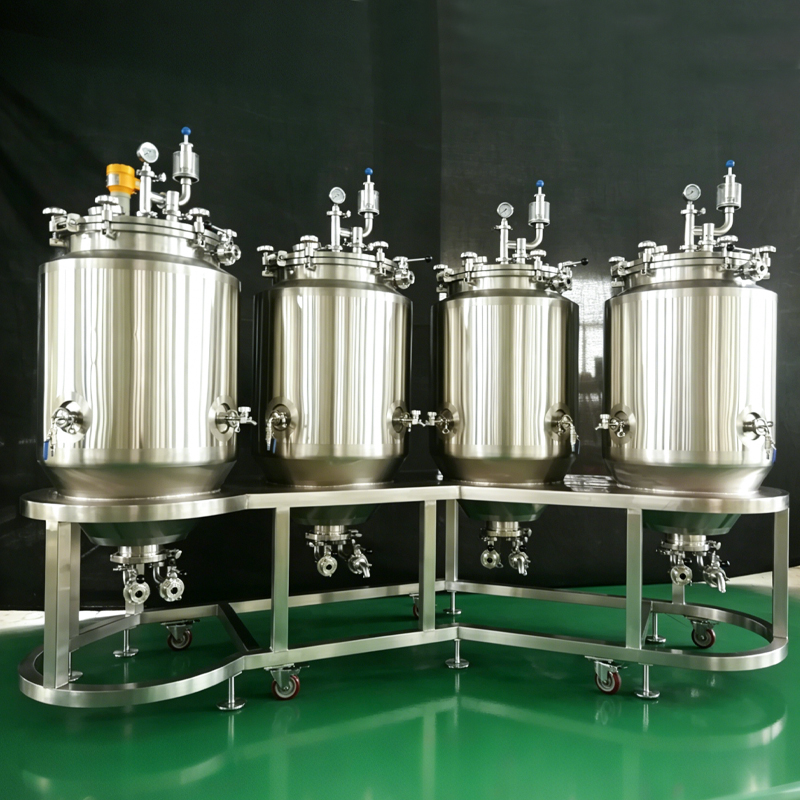
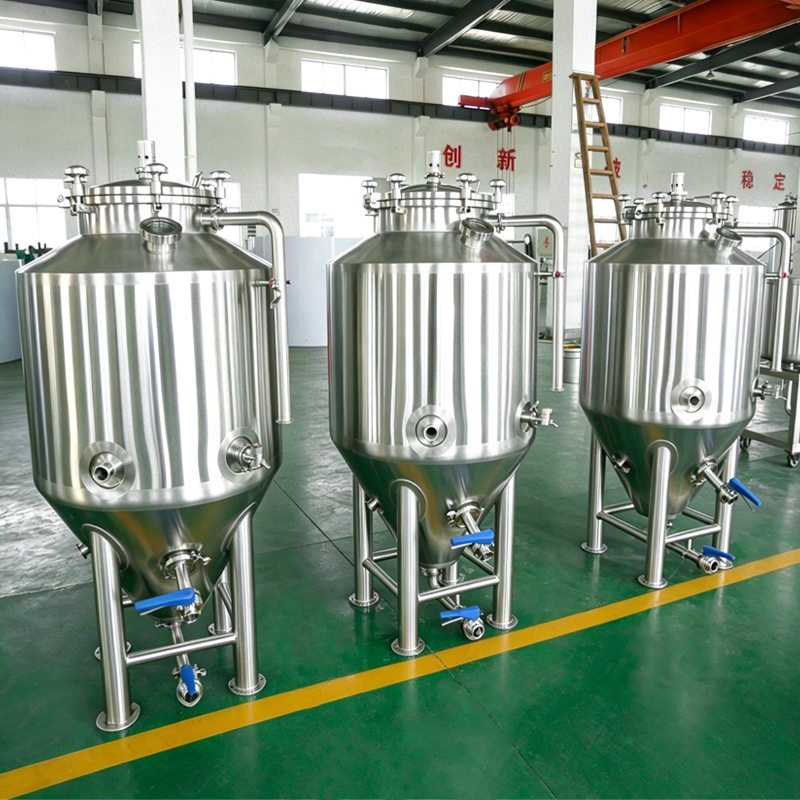
A Wine Fermentation Tank is a sealed vessel used to hold crushed grapes or grape must while yeast converts natural sugars into alcohol and carbon dioxide. Most modern wineries rely on a Stainless Steel Fermentation Tank for this process because the material is non-reactive, easy to sanitize, and holds up to repeated cleaning cycles between vintages without imparting off-flavors to the wine.
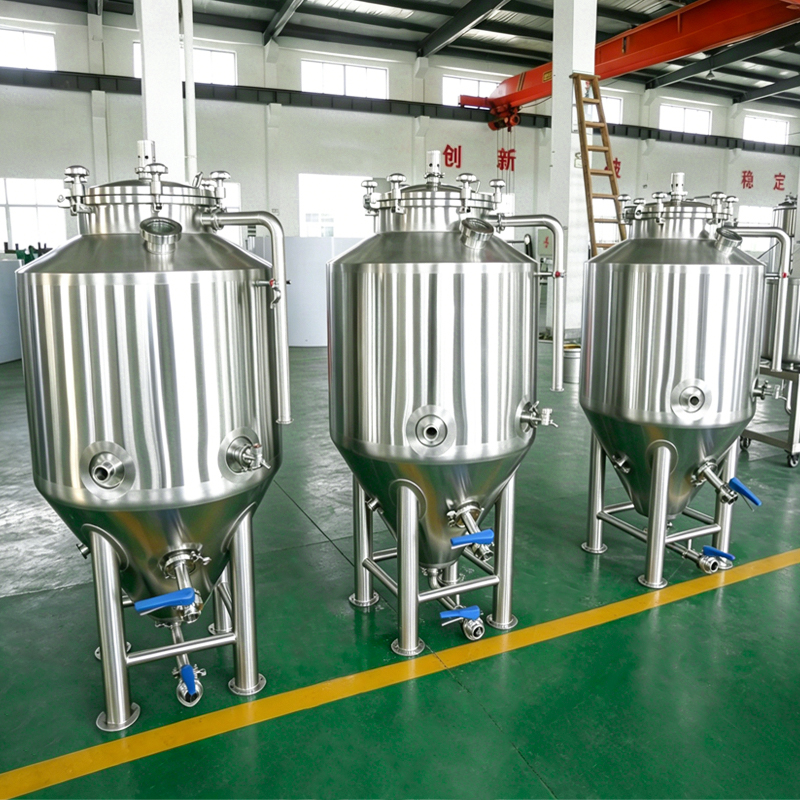
The same core vessel design is widely adapted for other beverages: a Cider Fermentation Tank follows a nearly identical process using apple juice instead of grape must, while the broader category of Yeast Fermentation Tank equipment covers any vessel where yeast-driven fermentation takes place, including beer, mead, and other fruit-based alcoholic beverages.
Key Advantages of Stainless Steel Fermentation Tanks
Choosing a stainless steel vessel over older materials such as wood or concrete offers clear production benefits across wine, cider, and general yeast fermentation.
- Non-porous, sanitary surface — stainless steel resists bacterial colonization far more effectively than wood or unlined concrete
- Precise temperature control through jacketed cooling, which is critical for preserving delicate aromatics in white wine and cider fermentation
- Consistent batch results, since the tank does not absorb or release flavor compounds the way porous materials can
- Long service life with minimal maintenance, resisting corrosion from acidic must, juice, or wash cycles
- Compatibility with automated CIP cleaning, reducing labor time between fermentation batches
How Fermentation Tanks Work Across Wine, Cider, and Yeast-Based Products
Regardless of the specific beverage, a fermentation tank follows the same general sequence: must, juice, or wort is loaded into the vessel, yeast is added or naturally present, and the tank is sealed with a one-way airlock or pressure valve that allows CO2 to escape while preventing outside air and contaminants from entering.
A wine fermentation tank often includes a wide top opening and internal cap management features, since grape skins and solids tend to float to the surface and need to be punched down or pumped over during red wine fermentation. A cider fermentation tank typically requires less cap management since apple juice ferments as a clearer liquid, but temperature control remains equally important for preserving fruit character.
Temperature and Pressure Control During Fermentation
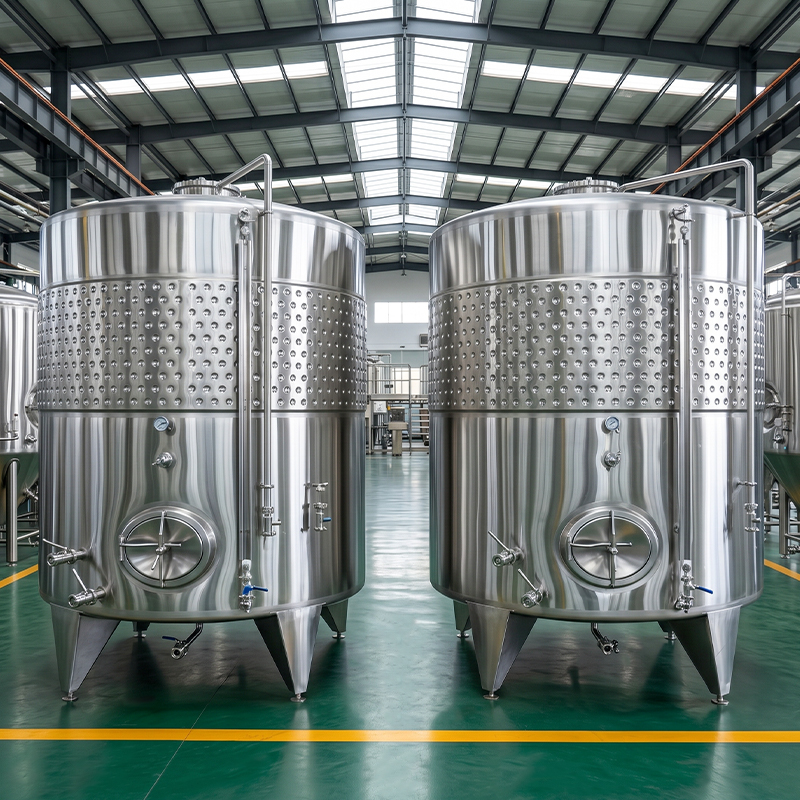
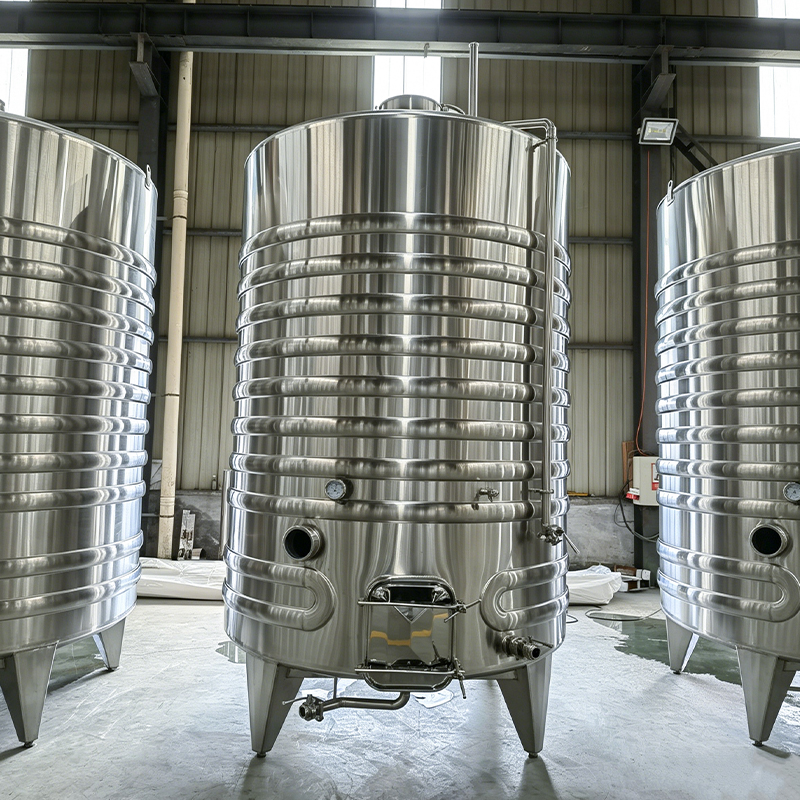
Glycol jacketing on the tank's cylindrical body and cone allows operators to hold fermentation temperature within a narrow target range — commonly 15–22°C for red wine and slightly cooler for whites and ciders — since yeast activity and aromatic compound retention are both highly temperature-dependent. Pressure-rated tanks also allow for natural carbonation to be retained in sparkling wine or cider production.
Comparing Tank Features Across Fermentation Types
While the core vessel design is similar, wine, cider, and general yeast fermentation each place different demands on tank features. The table below summarizes common differences.
General feature comparison across wine, cider, and general yeast fermentation tanks
| Fermentation Type |
Key Tank Feature |
Typical Temperature Range |
| Red wine |
Wide top opening for cap management |
20–28°C |
| White wine |
Multi-zone glycol jacket |
12–18°C |
| Cider |
Sealed vessel with pressure relief valve |
10–18°C |
| General yeast fermentation |
Cone bottom for yeast harvesting |
Varies by product and yeast strain |
Industry Applications and Manufacturing Expertise
Stainless steel fermentation tanks form the core of production at wineries, cideries, and craft beverage facilities of all sizes, supporting everything from small-batch artisanal production to large commercial fermentation runs. The same fundamental tank design adapts across wine, cider, and other yeast-driven beverages simply by adjusting jacket zoning, cap management features, and pressure rating to match the product.
As a China-based OEM/ODM manufacturer of fluid process and brewery equipment with over 20 years of industry experience, YME Equipment Co., Ltd designs and manufactures wine fermentation tanks, cider fermentation tanks, and general yeast fermentation tanks as part of complete brewhouse and fermentation system solutions. YME's designers, engineers, and production staff continuously undergo advanced training to stay current with fermentation process trends, allowing the company to tailor tank features to projects of varying size and complexity. YME's stainless steel equipment has been exported to customers across Europe, North America, Australia, and Asia, supported by long-term partnerships built on consistent product quality and precise, tailored engineering.
Frequently Asked Questions
Q1: Can the same tank be used for both wine and cider fermentation?
Yes, with proper cleaning between batches, a stainless steel fermentation tank can be used for either product, though tanks with wider top openings are better suited to red wine's cap management needs.
Q2: Why is stainless steel preferred over wood or concrete for fermentation?
Stainless steel is non-porous and easier to sanitize thoroughly between batches, reducing the risk of bacterial contamination and unwanted flavor carryover that porous materials can introduce.
Q3: Does a cider fermentation tank need the same cone bottom as a beer fermenter?
A cone bottom is helpful for yeast harvesting in any yeast fermentation tank, including cider, though the angle and size may be adjusted based on the clarity and sediment characteristics of the juice being fermented.
Q4: How important is temperature control for wine and cider quality?
Very important — fermentation temperature directly affects yeast activity and how well delicate aromatic compounds are preserved, which is why jacketed temperature control is standard on most modern fermentation tanks.



 English
 русский
 عربى
عربى