What Is an Industrial Storage Tank?
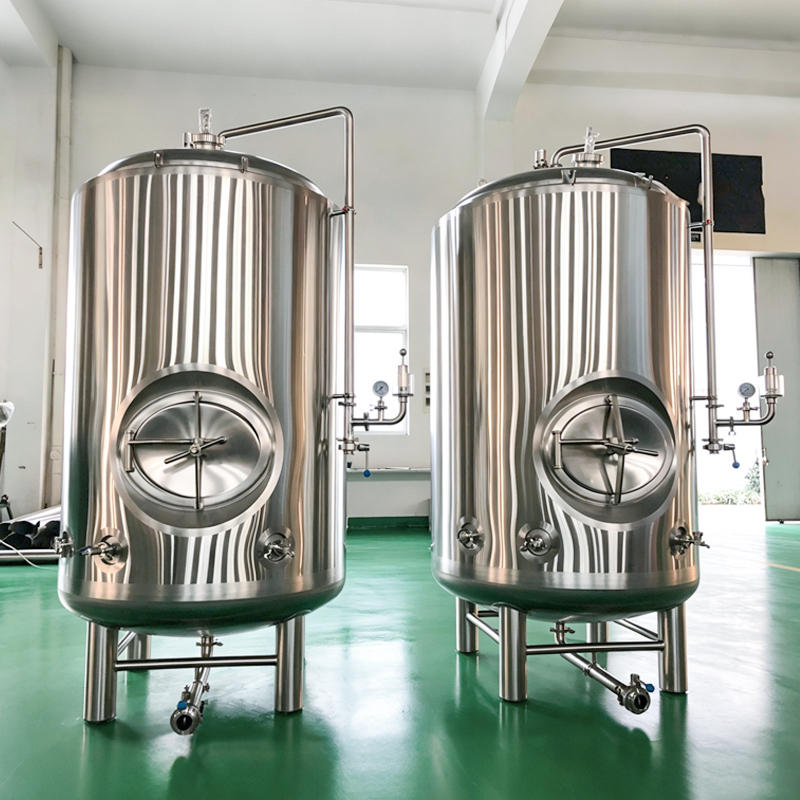
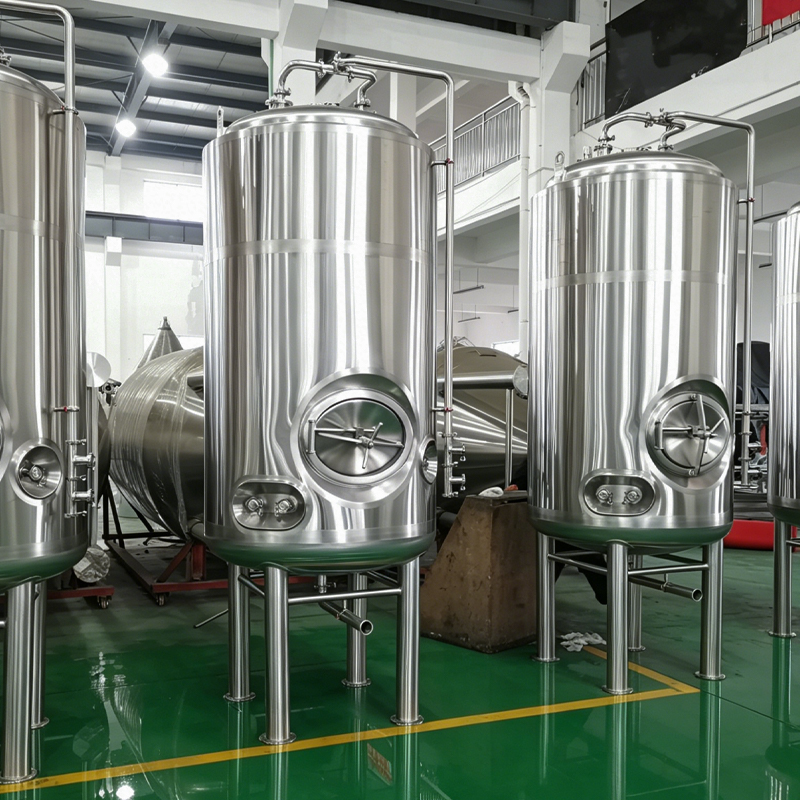
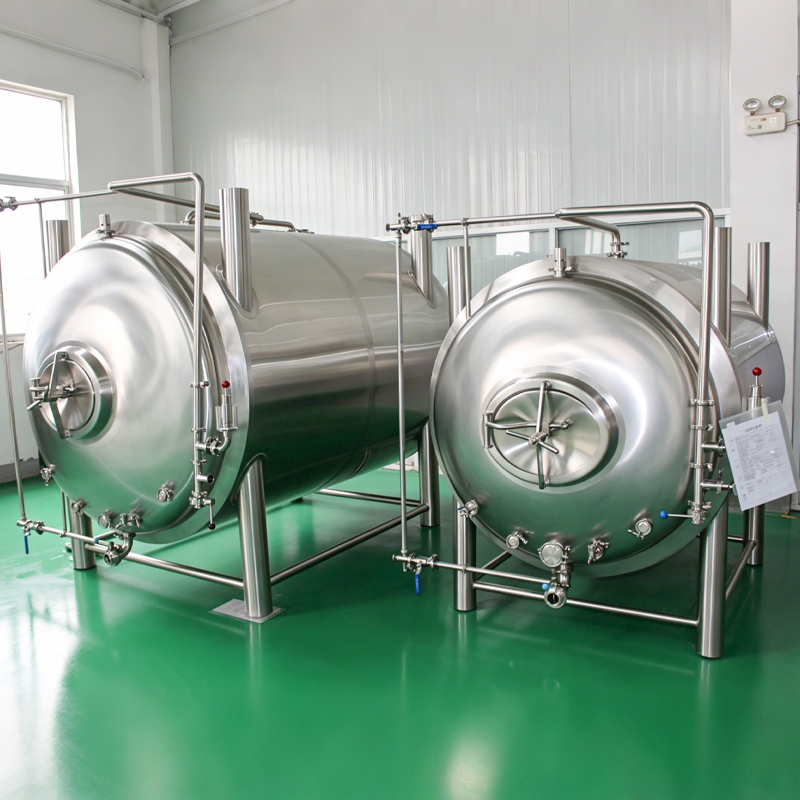
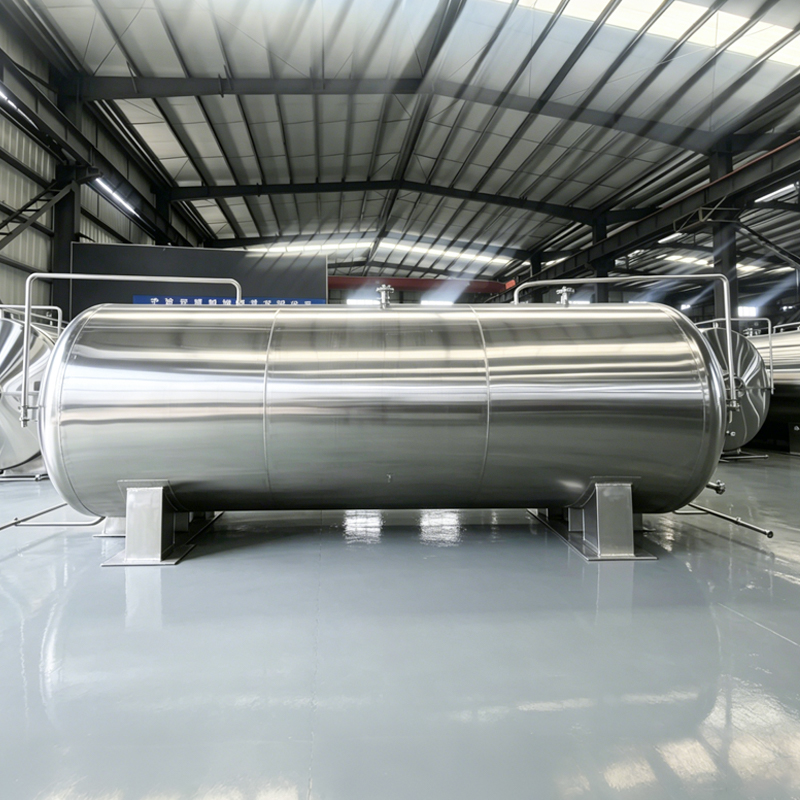
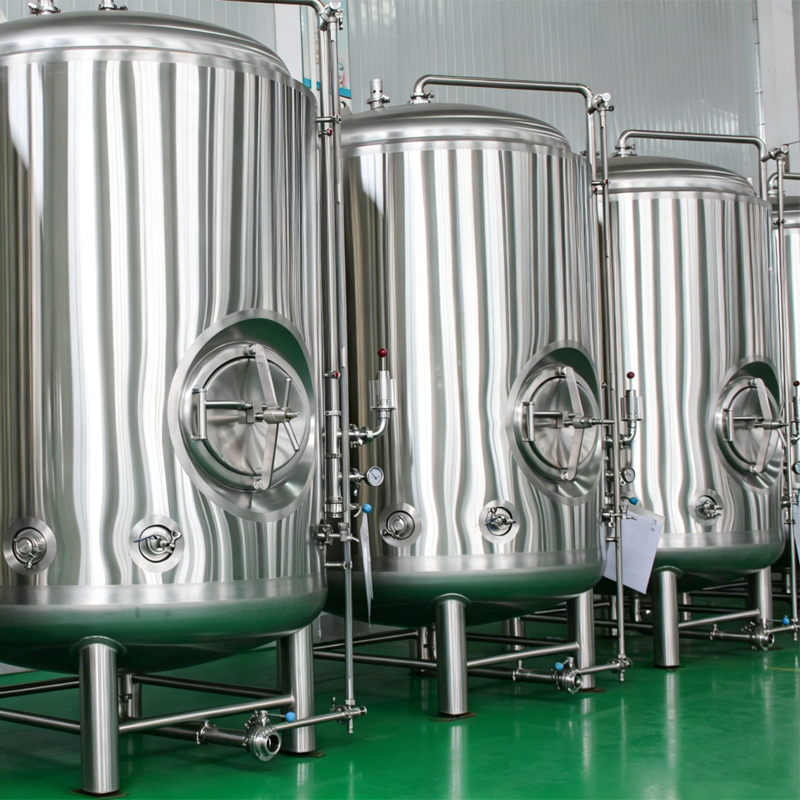
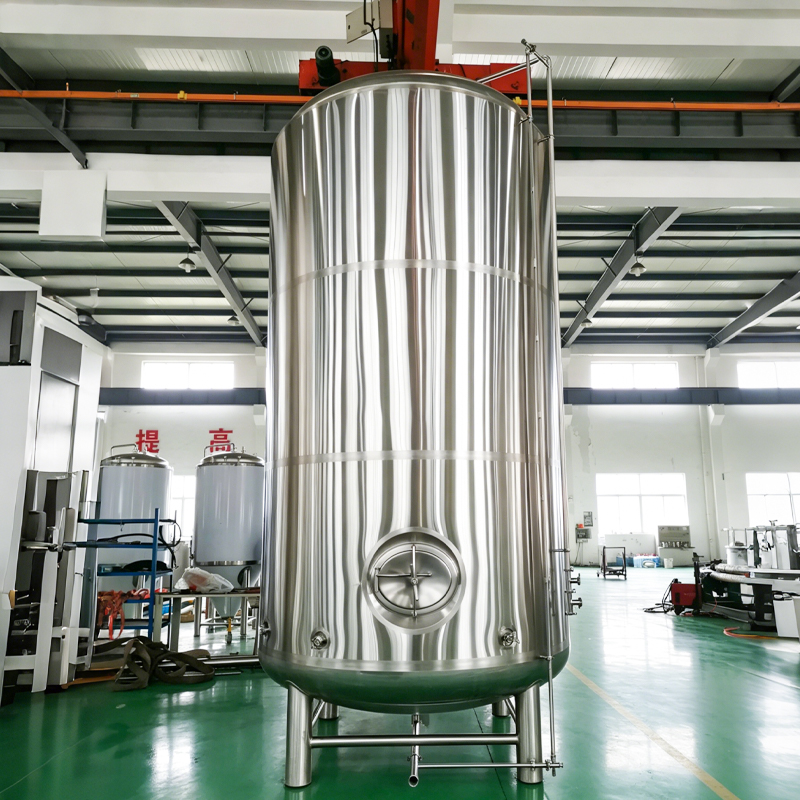
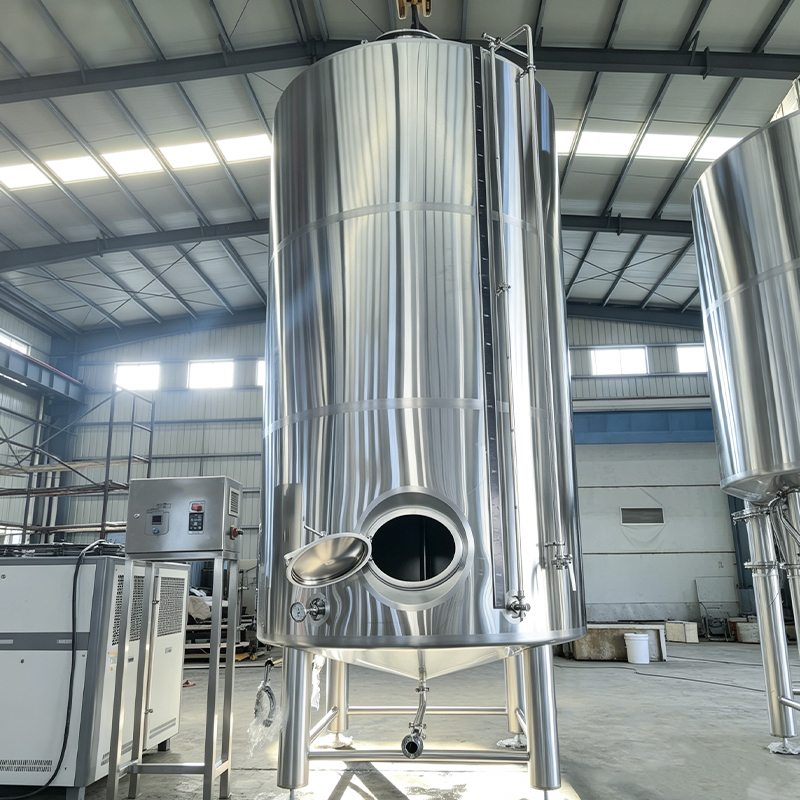
A storage tank is a stationary vessel built to hold liquid or semi-liquid material safely between production stages, without necessarily blending or processing it. In food, beverage, dairy, and chemical manufacturing, storage tanks are almost always built from food-grade stainless steel, since the material resists corrosion, withstands repeated sanitizing cycles, and does not react with the stored product over long holding periods. While a basic storage tank simply holds volume, many facilities specify tanks with insulation, temperature monitoring, or light agitation so the same vessel can also function as a buffer or staging tank ahead of the next process step.
Key Advantages of Stainless Steel Storage Tanks
- Long service life, since stainless steel resists rust and pitting even under continuous exposure to moisture or acidic products
- Easy sanitation through smooth interior welds and, where required, CIP (clean-in-place) spray systems
- Flexible configuration, including flat, conical, or dish-bottom designs to suit different draining and cleaning needs
- Option for insulated or jacketed shells to maintain product temperature during extended holding periods
- Scalable capacity, with vessels commonly available from small buffer tanks up to large bulk storage units to match production volume
For growing food and beverage producers, choosing stainless steel storage tanks from the outset generally proves more cost-effective than replacing lower-grade tanks later, since sanitary-grade vessels can be resized or reconfigured as batch volumes increase rather than fully replaced.
Storage Tank vs. Mixing Tank: What's the Difference
Storage tanks and mixing tanks share the same stainless steel construction principles but serve different roles in a production line. Understanding the distinction helps determine which vessel—or combination of both—a process actually requires:
Functional comparison between storage tanks and mixing tanks
| Feature |
Storage Tank |
Mixing Tank |
| Primary function |
Hold product between process steps |
Actively blend ingredients into a uniform batch |
| Agitator |
Usually absent or minimal |
Standard component, sized to viscosity |
| Typical placement |
Before or after processing |
During formulation or ingredient blending |
How a Storage Tank Is Engineered
The working design of a storage tank centers on three factors: containment, cleanliness, and monitoring. The vessel shell and welds must hold the full product volume without leakage under normal pressure conditions. The interior surface finish—commonly a 2B or polished sanitary finish—must resist bacterial adhesion and support fast, thorough cleaning. Level sensors, temperature probes, and pressure relief or breather valves are then added based on the sensitivity of the stored product. For products that settle or separate during long holding periods, a slow-speed side-entry or top-entry agitator can be added, which begins to overlap functionally with a custom liquid blending mixing tank for food industry use, where the same vessel handles both holding and light mixing duties.
Custom Blending Tanks for Food Industry Applications
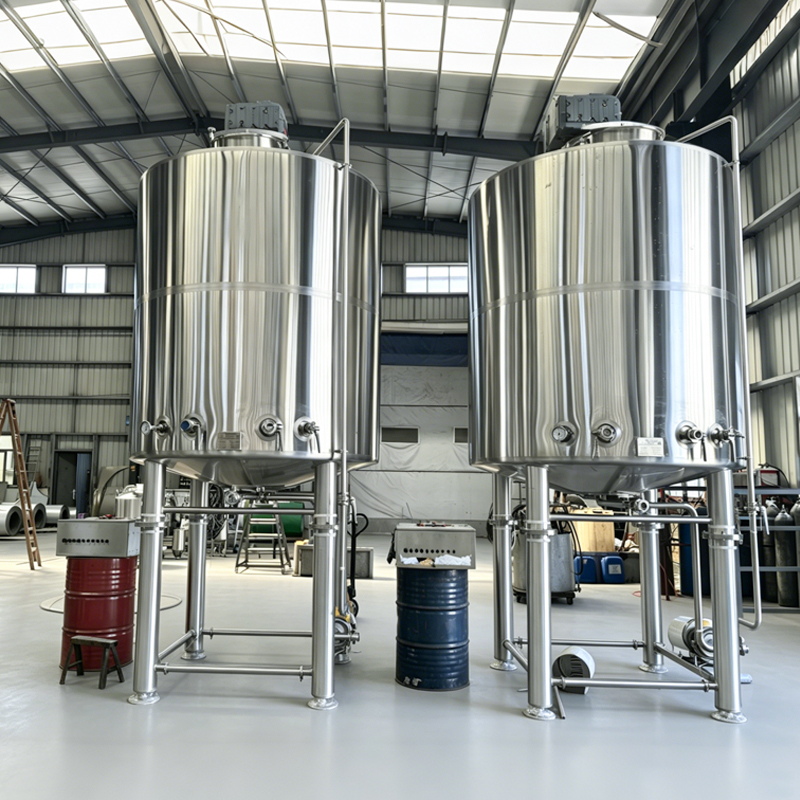
Food manufacturers frequently need a vessel that goes beyond simple storage, combining holding capacity with active ingredient blending. A well-engineered custom liquid blending mixing tank for food industry use typically includes:
- Sanitary 304 or 316L stainless steel construction rated for direct food contact
- An agitator matched to the viscosity of sauces, dairy blends, beverages, or liquid seasonings being processed
- Heating or cooling jackets where temperature-sensitive ingredients require precise control during blending
- CIP-compatible fittings to support fast changeover between different product formulations
Because food formulations vary widely in viscosity, acidity, and particulate content, off-the-shelf tank dimensions rarely fit every recipe exactly—this is why custom-built vessels, engineered around each product's specific process flow, remain common in the food and beverage sector.
Choosing the Right Storage Capacity and Layout
- Size tanks with buffer capacity above peak daily production volume to avoid bottlenecks during scheduling changes
- Group storage tanks near filling or packaging lines to minimize transfer piping and reduce contamination risk
- Specify insulated jackets for products that must remain within a narrow temperature band during storage
- Include sloped or conical bottoms wherever full drainage between batches is required for food safety compliance
About YME Equipment Co., Ltd
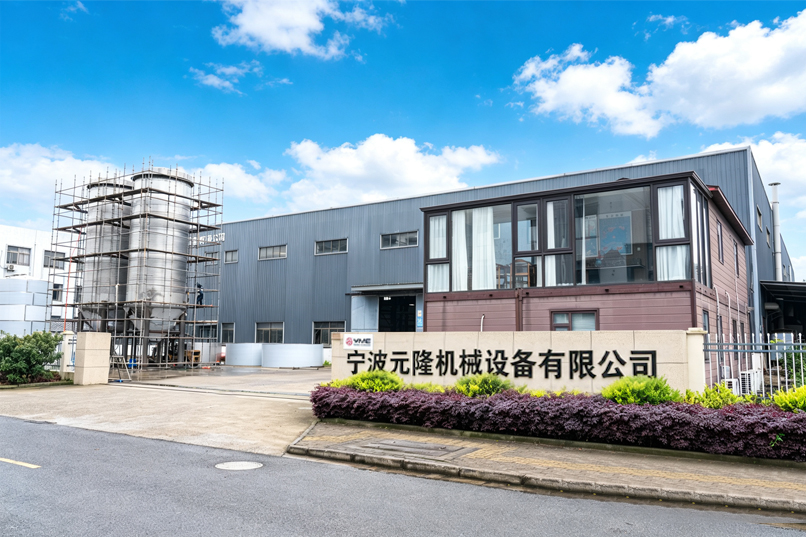
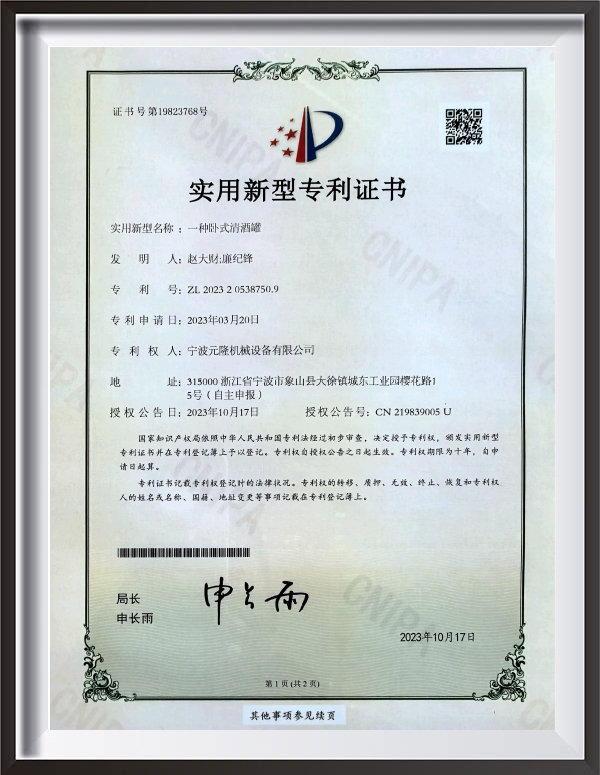
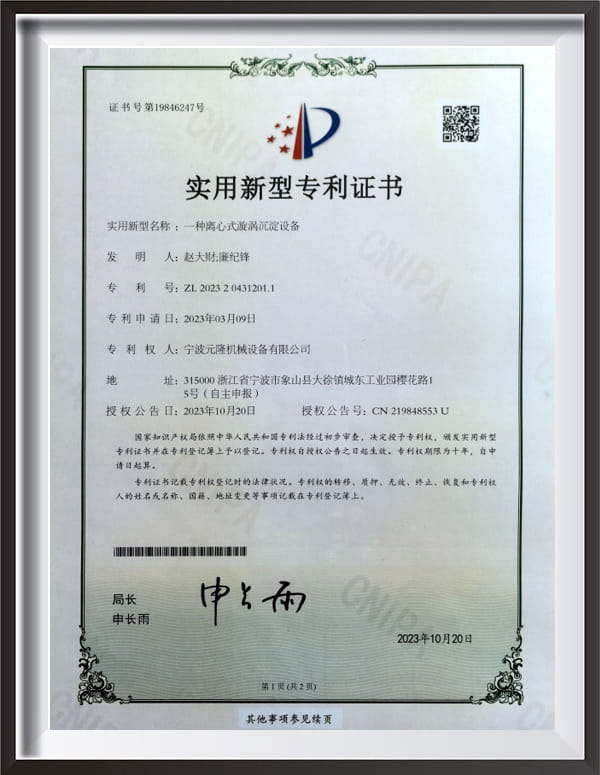
YME Equipment Co., Ltd is a China-based OEM/ODM fluid process equipment manufacturer and brewery equipment supplier with over 20 years of experience, providing comprehensive stainless steel solutions that span storage tanks, industrial stainless steel mixing tanks, and custom liquid blending systems for the food industry, alongside full brewhouse, fermentation, and CIP station equipment. YME's engineering team continuously trains to stay current with industry technology, allowing the company to adapt tailored tank solutions to projects of varying size and complexity. YME's products have been exported to Europe, North America, Australia, and Asia, supported by long-term partnerships built on consistent equipment quality.
Frequently Asked Questions
Q1: What stainless steel grade should a food-grade storage tank use?
304 stainless steel is standard for most food and beverage storage, while 316L is recommended for higher-acidity or higher-salinity products requiring greater corrosion resistance.
Q2: Can a storage tank also function as a mixing tank?
Yes, many storage tanks are fitted with a slow-speed agitator so they can hold product and perform light blending, though dedicated industrial stainless steel mixing tanks remain the better choice for active, high-shear formulation work.
Q3: What makes a blending tank "custom" for the food industry?
A custom liquid blending mixing tank for food industry use is engineered around a specific recipe's viscosity, temperature needs, and batch size, rather than using a generic off-the-shelf vessel design.
Q4: How often should a storage tank be cleaned?
Cleaning frequency depends on the product and regulatory requirements, but most food-grade storage tanks are cleaned and sanitized between every batch change to prevent cross-contamination.



 English
 русский
 عربى
عربى