What Are Aseptic Surge Tanks?
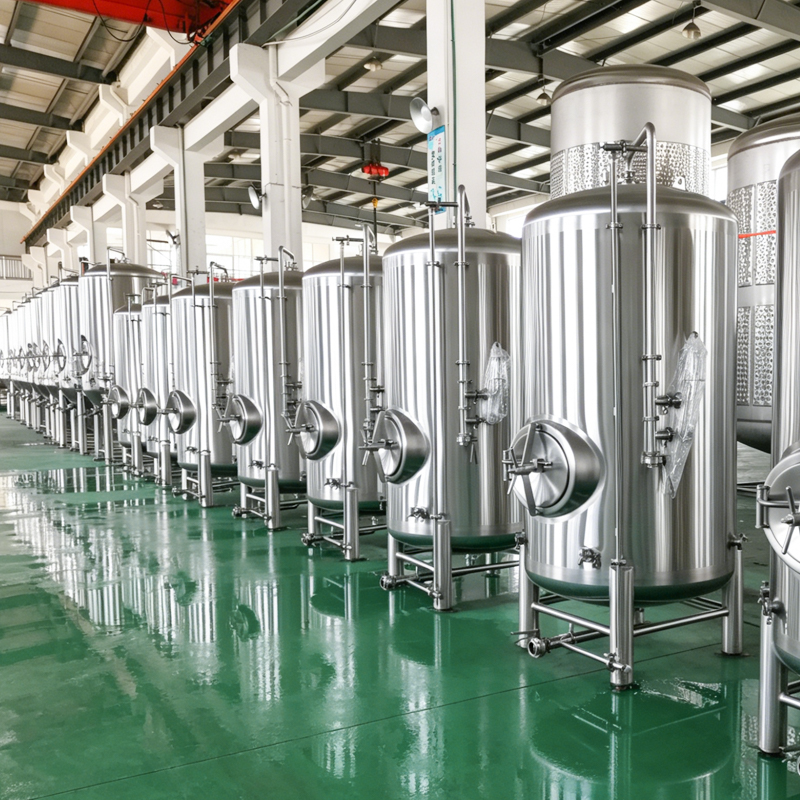
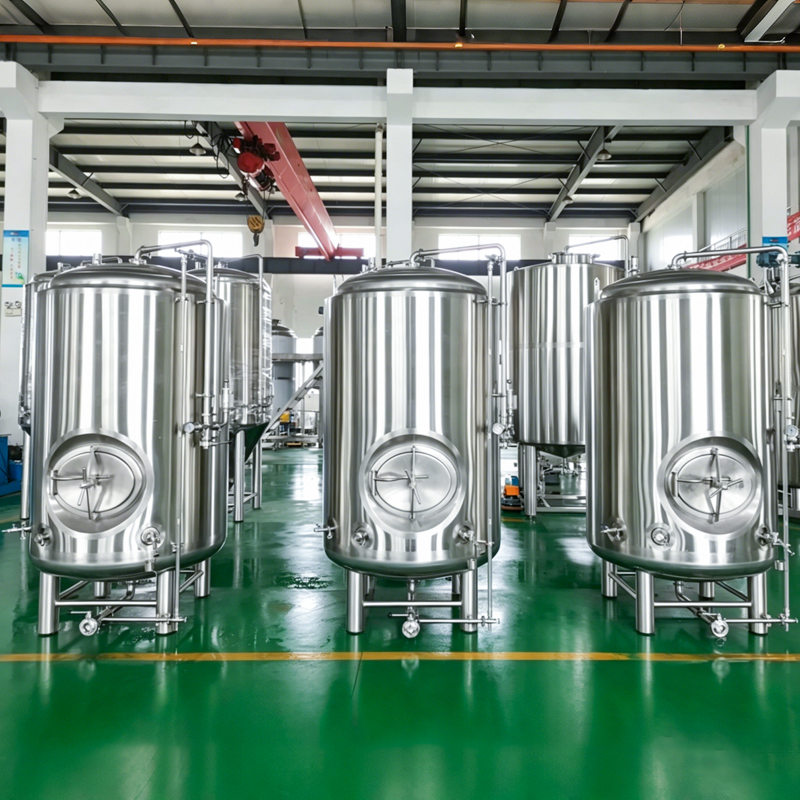
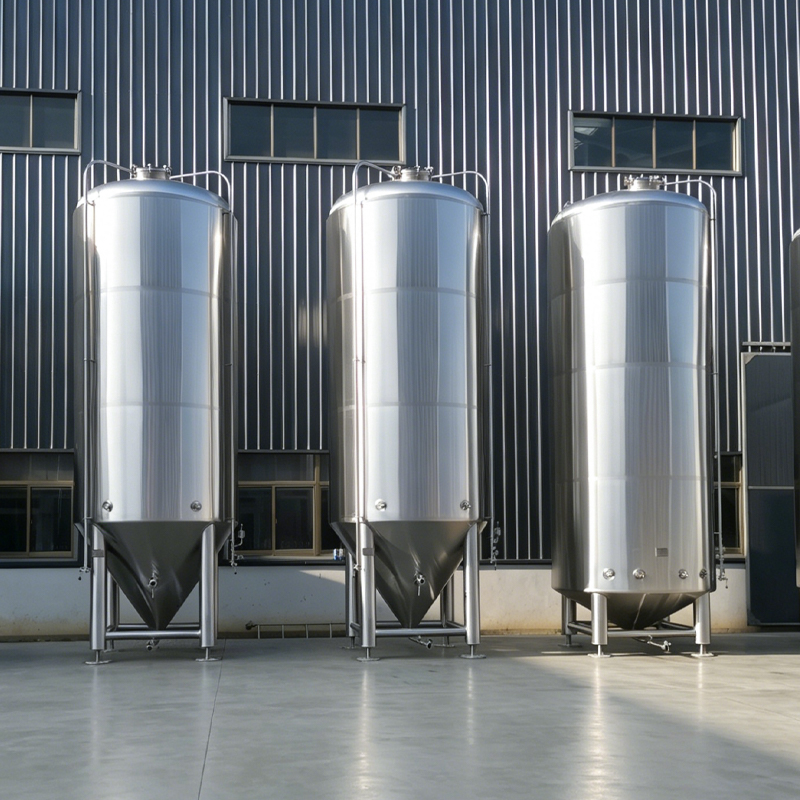
Aseptic Surge Tanks are sterile stainless steel vessels installed within an aseptic processing line to absorb short-term flow rate fluctuations between the sterilizer and the filling equipment. Unlike long-hold storage vessels, a surge tank is sized primarily to smooth out momentary imbalances, such as a filler briefly slowing down or a sterilizer temporarily running faster, rather than to hold product for extended periods.
More broadly, Buffer Tanks describe the wider category of intermediate holding vessels used across processing lines to decouple upstream and downstream equipment speeds, whether the product is aseptic, chilled, or ambient. An aseptic surge tank is essentially a specialized buffer tank engineered to maintain sterility while performing this flow-matching function.
Key Advantages of Aseptic Surge and Buffer Tanks
Installing a surge or buffer tank at the right point in a line delivers clear operational value.
- Decoupled equipment speeds — the sterilizer and filler can each run at their own optimal rate instead of being forced to match exactly
- Reduced product loss during brief filler stoppages, since sterile product is held rather than dumped or recirculated
- Smoother startup and shutdown transitions, since the tank absorbs the flow ramp-up period of each connected machine
- Lower risk of pressure spikes in the sterilizer caused by sudden downstream demand changes
- Improved overall line efficiency, since fewer full-line stoppages are needed for minor timing mismatches
An aseptic surge tank sits directly between the UHT sterilizer and the aseptic filler, receiving sterile product through a double-seat or mix-proof valve that keeps the sterile and non-sterile sides of the system fully separated. Inside the tank, a sterile air or nitrogen overlay maintains slight positive pressure, preventing contamination even as the fill level rises and falls throughout the shift.
Level sensors continuously monitor how full the tank is, and a PLC control system uses this data to adjust the sterilizer's output rate or trigger an alarm if the tank approaches its high or low level limits. Because a surge tank's role is short-term flow matching rather than long-term holding, its working volume is typically sized for minutes to a few hours of production, in contrast to larger buffer tanks designed for shift-length or multi-hour holding.
Surge Tanks vs. Longer-Hold Buffer Tanks
The key distinction is time scale: a surge tank is optimized to absorb rapid, minute-to-minute flow variation, while a general buffer tank may be sized to hold product for several hours, supporting scheduled maintenance or CIP cycles on either side of the line without stopping production entirely.
Sizing Considerations for Surge and Buffer Applications
Correct sizing depends on how much flow-rate variation the line experiences and how long any single interruption is expected to last. The table below outlines general sizing tiers by intended function.
General sizing tiers for aseptic surge tanks and buffer tanks by intended function
| Function |
Typical Hold Time |
Common Volume Range |
| Short-term surge control |
Minutes to 1 hour |
200L – 3,000L |
| Standard buffering |
1 – 4 hours |
3,000L – 15,000L |
| Extended shift-length holding |
4 – 12 hours |
15,000L – 40,000L+ |
Industry Applications and Manufacturing Expertise
Aseptic surge tanks and buffer tanks are used throughout dairy, juice, and beverage production wherever a UHT or thermal processing unit connects to a filling line running at a different speed. They are especially valuable in plants that run multiple package formats from a single sterilizer, since filler changeovers create exactly the kind of short-term flow mismatch these tanks are designed to absorb.
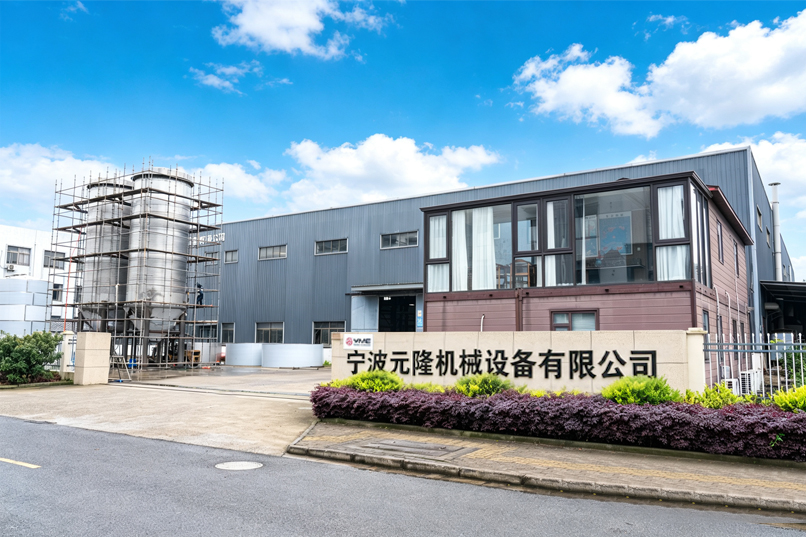
As a China-based OEM/ODM manufacturer of fluid process and brewery equipment with over 20 years of industry experience, YME Equipment Co., Ltd designs and manufactures aseptic surge tanks and buffer tanks as part of complete brewhouse, fermentation, and CIP system solutions. YME's designers, engineers, and production staff continuously undergo advanced training to stay current with hygienic and automation standards, allowing the company to tailor tank sizing and control logic to projects of varying size and complexity. YME's stainless steel equipment has been exported to customers across Europe, North America, Australia, and Asia, supported by long-term partnerships built on consistent product quality and precise, tailored engineering.
Frequently Asked Questions
Q1: What is the main difference between a surge tank and a buffer tank?
A surge tank is generally sized for short-term, minute-to-minute flow matching, while a buffer tank is typically sized for longer holding periods that can support hour-long production or maintenance interruptions.
Q2: Can one tank serve both surge and buffer functions?
Yes, many lines use a single appropriately sized aseptic tank that handles both roles, absorbing minor flow variation on a continuous basis while also providing enough volume for occasional longer holds.
Q3: How does the tank maintain sterility while fill level constantly changes?
A sterile air or nitrogen overlay maintains slight positive internal pressure at all fill levels, combined with a steam barrier at all product-contact openings, which prevents contamination regardless of how full or empty the tank is.
Q4: What happens if the surge tank reaches its maximum level?
The PLC control system typically triggers an alarm and can automatically slow or pause the upstream sterilizer's output rate to prevent overfilling while the downstream filler catches up.



 English
 русский
 عربى
عربى