What Is Pasteurizers Line Integration?
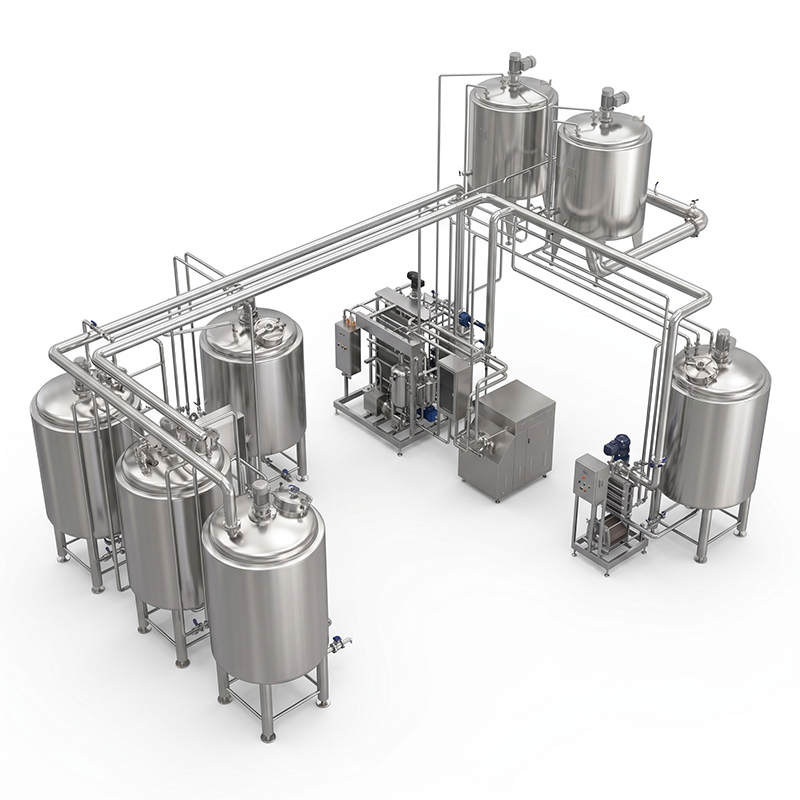
Pasteurizers Line Integration refers to the engineering process of connecting a pasteurizer — whether a tunnel pasteurizer for packaged products or a flash (HTST) pasteurizer for bulk liquid — into a beverage production line so it operates in sync with upstream filling equipment and downstream packaging or storage. Rather than treating pasteurization as a standalone step, proper line integration matches conveyor speeds, temperature ramp timing, and control signals so the entire line runs as one coordinated process without bottlenecks.
Poor integration is one of the most common causes of line inefficiency in beverage plants, since a pasteurizer running out of sync with the filler either creates a backlog of packaged product waiting to be pasteurized or leaves the pasteurizer under-utilized while waiting for product to arrive.
Key Advantages of Properly Integrated Pasteurization Lines
Designing pasteurization as part of a fully coordinated line, rather than a bolt-on afterthought, delivers clear operational benefits.
- Matched throughput — synchronized conveyor and pump speeds prevent bottlenecks between filling, pasteurizing, and packaging stages
- Consistent thermal treatment across every unit, since integrated controls maintain uniform dwell time and temperature zones
- Reduced energy consumption through heat recovery loops shared between the pasteurizer and adjacent line equipment
- Centralized monitoring, allowing operators to track temperature, line speed, and product flow from a single control interface
- Easier troubleshooting, since integrated systems can flag exactly where a slowdown or fault originated along the line
How Pasteurizer Line Integration Works
Integration begins with matching the pasteurizer's rated throughput to the filler's actual output rate, since a mismatch in either direction creates either a product backlog or unused pasteurizer capacity. For tunnel pasteurizers, this typically means calibrating conveyor speed so packaged containers spend the correct amount of time in each heating, holding, and cooling zone as they move continuously through the unit.
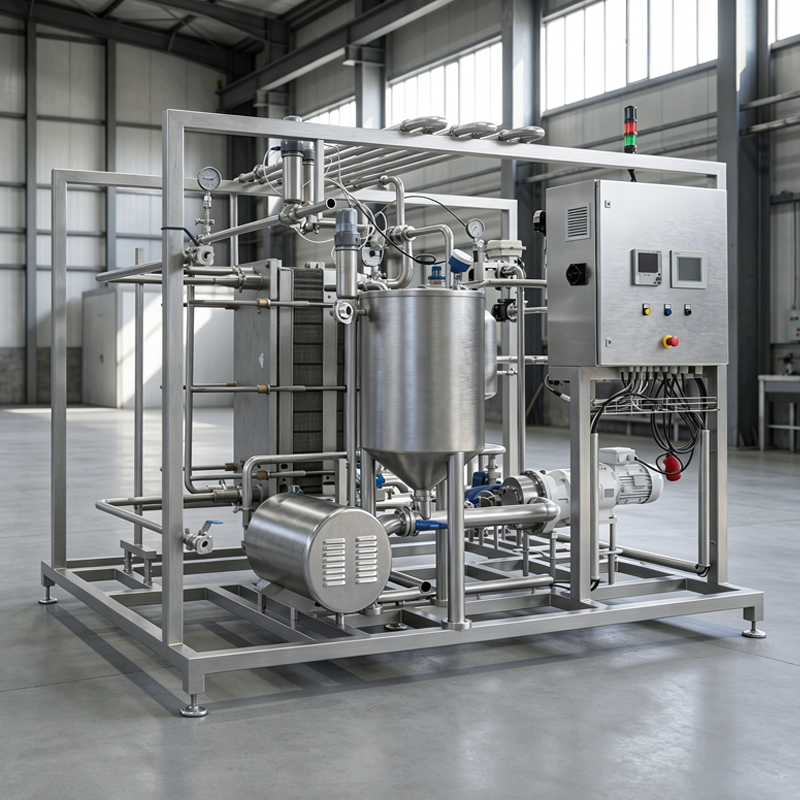
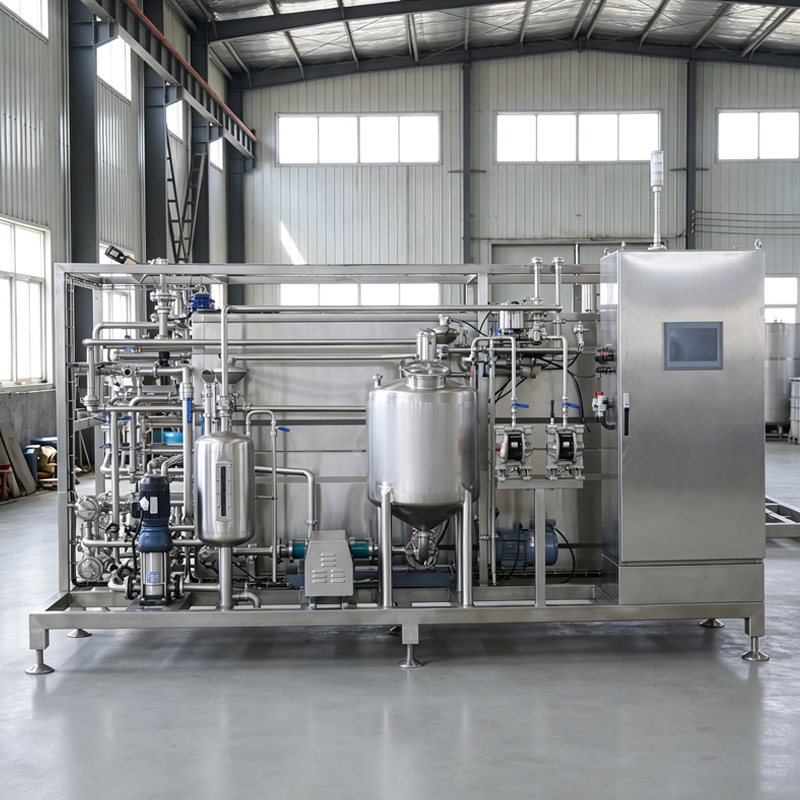
For flash pasteurization of bulk liquid before filling, integration focuses on matching the heat exchanger's flow rate to the filler's demand in real time, using a shared PLC system that adjusts pump speed based on downstream filler signals. Sensors feed temperature and flow data back to a central control system, which can automatically slow or pause upstream production if the pasteurizer approaches its maximum safe throughput.
Shared Utility and Heat Recovery Integration
Well-integrated pasteurization lines often share hot water or steam utilities with other line equipment, and heat recovery systems can capture warm water leaving the pasteurizer's cooling zone to preheat incoming product, reducing overall energy demand across the line.
Common Integration Points Across the Line
The table below summarizes the main equipment interfaces that need to be coordinated during pasteurizer line integration.
General integration points between pasteurizers and adjacent production line equipment
| Line Interface |
Integration Requirement |
Purpose |
| Filler to pasteurizer |
Matched conveyor or pump speed |
Prevent packaged product backlog |
| Pasteurizer to packaging |
Synchronized discharge timing |
Smooth handoff to labeling/casing |
| Utility systems |
Shared hot water/steam supply |
Reduce redundant utility infrastructure |
| Control system |
Centralized PLC/HMI integration |
Unified monitoring and fault response |
Industry Applications and Manufacturing Expertise
Pasteurizer line integration is essential for any beverage or dairy plant running continuous packaging operations, where even small timing mismatches between the filler and pasteurizer can create significant daily throughput losses. Properly integrated lines are particularly valuable for facilities running multiple package formats that each place slightly different demands on the pasteurizer's throughput.
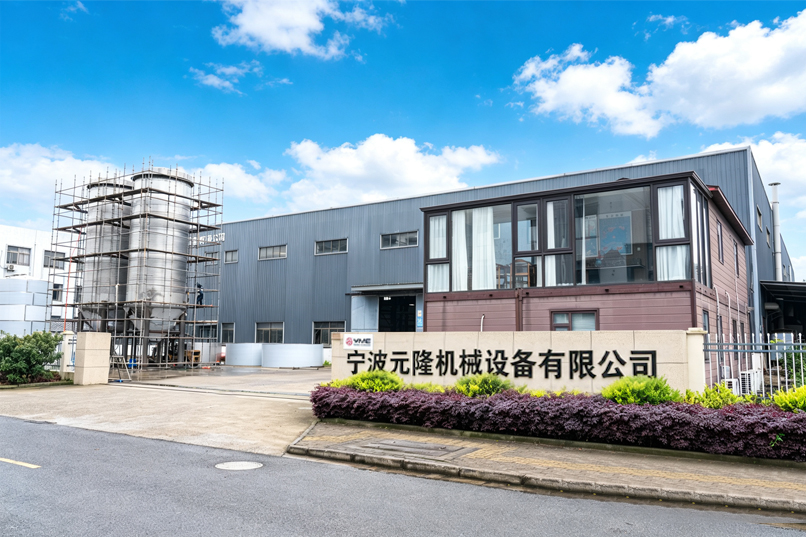
As a China-based OEM/ODM manufacturer of fluid process and brewery equipment with over 20 years of industry experience, YME Equipment Co., Ltd designs and integrates pasteurizer systems as part of comprehensive brewery and beverage processing solutions, from brewhouse and fermentation systems to CIP stations and full water treatment. YME's designers, engineers, and production staff continuously undergo advanced training to stay current with line automation and thermal processing standards, allowing the company to tailor pasteurizer integration to projects of any size and complexity. YME's stainless steel equipment has been exported to customers across Europe, North America, Australia, and Asia, supported by long-term partnerships built on consistent product quality and precise, tailored engineering.
Frequently Asked Questions
Q1: What happens if a pasteurizer isn't properly synchronized with the filling line?
Without synchronization, packaged product can back up ahead of the pasteurizer, or the pasteurizer can sit under-utilized waiting for product, both of which reduce overall line efficiency.
Q2: Can an existing pasteurizer be retrofitted for better line integration?
In many cases yes, particularly by upgrading control systems and sensors to communicate with adjacent line equipment, though the extent of retrofitting depends on the original pasteurizer's automation capability.
Q3: How does heat recovery work in an integrated pasteurization line?
Warm water leaving the pasteurizer's cooling zone can be captured and reused to preheat incoming product or supply other line processes, reducing the total energy the plant needs to generate from scratch.
Q4: Does line integration slow down changeovers between package formats?
Well-designed integrated systems are typically programmed with multiple recipe profiles, allowing conveyor speed and temperature settings to switch automatically when the line changes to a different package format.



 English
 русский
 عربى
عربى