What Are Stainless Steel Aseptic Storage Tanks?
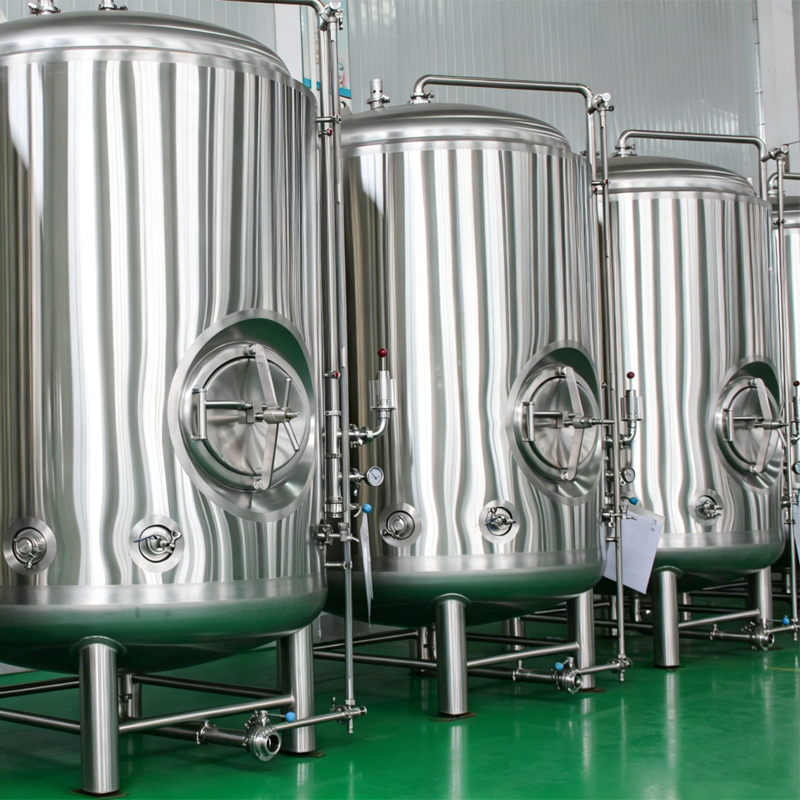
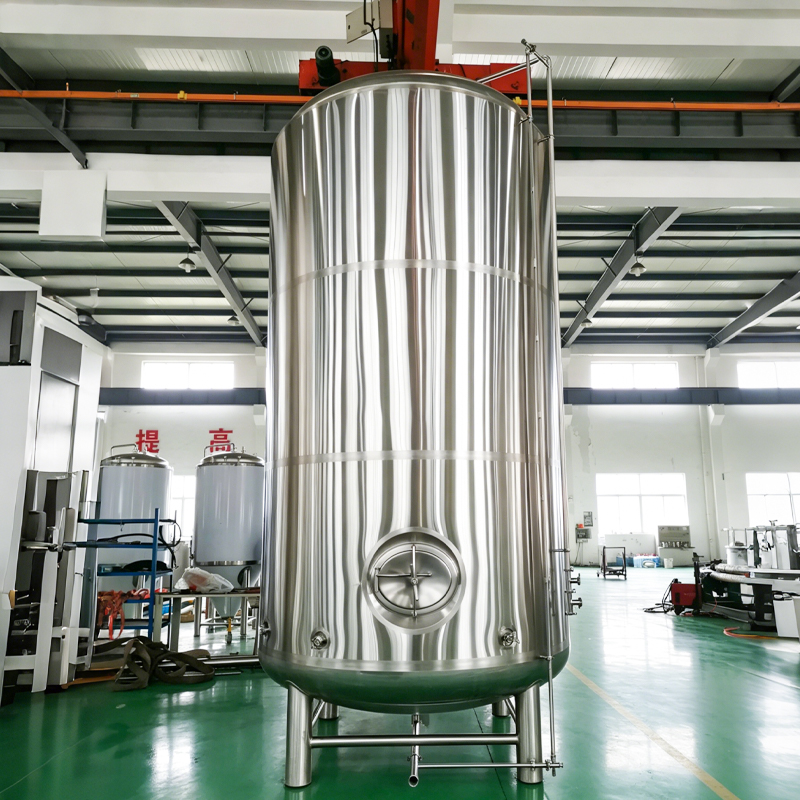
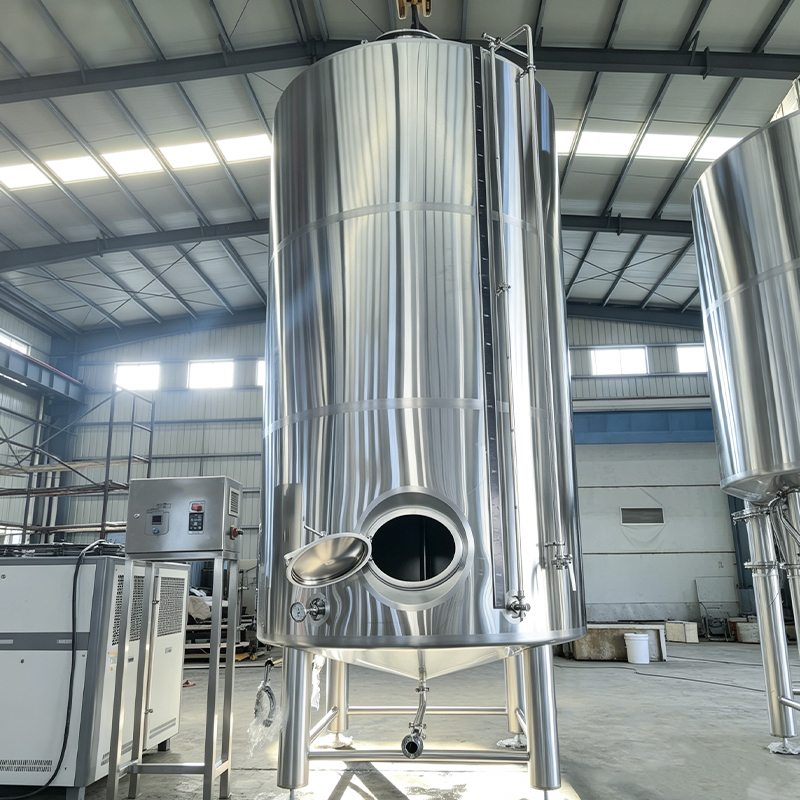
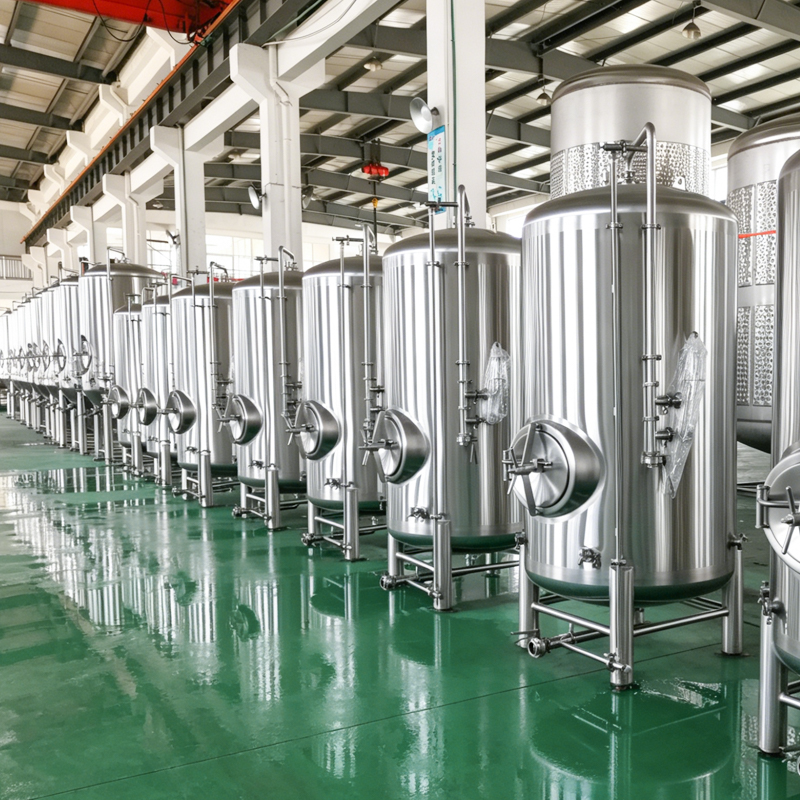
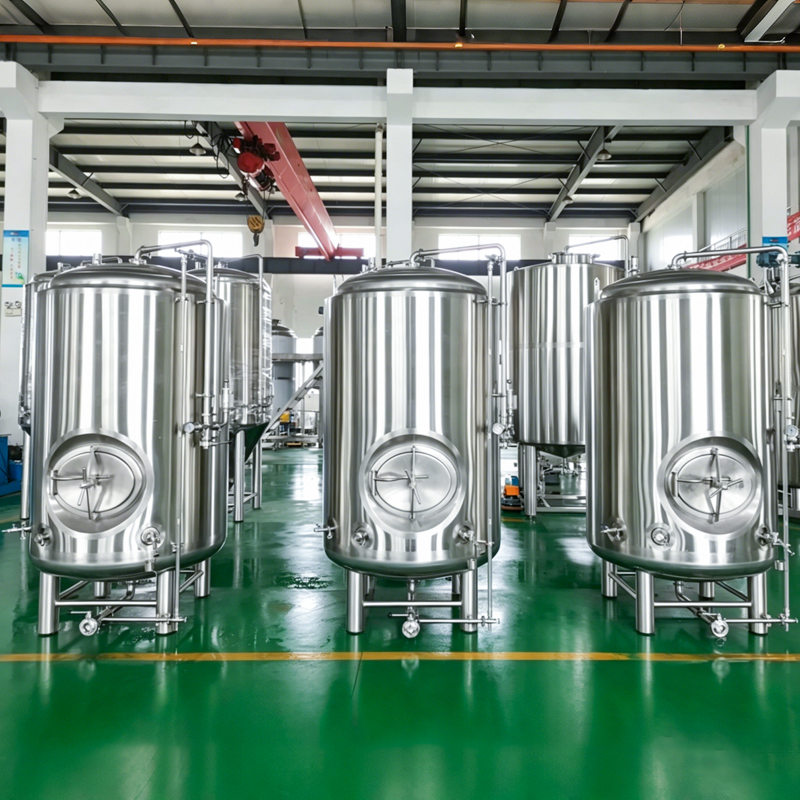
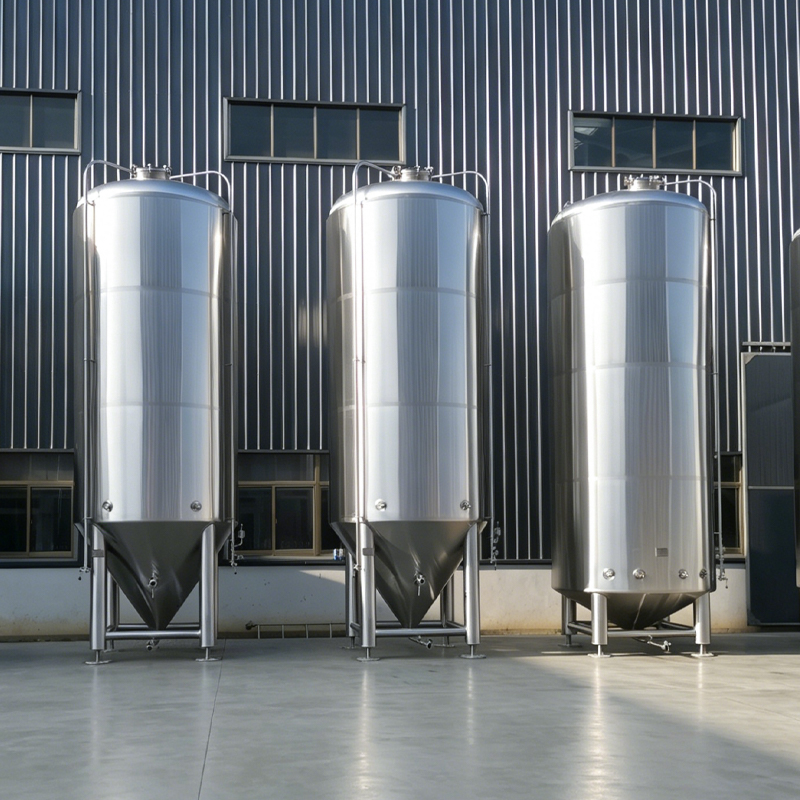
Stainless Steel Aseptic Storage Tanks are sealed, sterilizable vessels used to hold sterile liquid products between thermal processing and final packaging without introducing microbial contamination. Built from 304 or 316L food-grade stainless steel, these tanks maintain a sterile internal environment through sterile air overlay, steam barriers, and CIP/SIP-compatible construction, making them a core component of UHT dairy, juice, and beverage lines.
Within this category, Aseptic Buffer Storage Tanks serve a more specific role: they sit between the sterilizer and the filling machine to absorb differences in throughput, so the sterilization unit and the filler can each run at their own optimal speed without stopping the line for minor interruptions.
Key Advantages of Aseptic Buffer Storage Tanks
Adding a buffer tank to an aseptic line delivers measurable operational benefits, especially on high-volume production schedules.
- Continuous line operation — the filler or UHT unit can pause briefly for changeovers without halting the entire process
- Reduced product loss during short downstream stoppages, since sterile product is held safely rather than dumped
- Stable product temperature and pressure control through jacketed, insulated tank walls
- Compatibility with automated CIP (Clean-in-Place) and SIP (Sterilize-in-Place) cycles for repeatable hygiene standards
- Mirror-polished interior surfaces (typically Ra ≤0.8μm) that minimize product residue and bacterial adhesion
How Aseptic Buffer Storage Tanks Work
The tank operates as a sterile holding chamber positioned after the UHT (Ultra-High Temperature) sterilizer and before the aseptic filler. Sterile product enters through a double-seat or mix-proof valve that prevents any contact between the sterile and non-sterile sides of the system.
Inside the tank, sterile compressed air or nitrogen overlay maintains slight positive pressure, which stops airborne contaminants from entering even if the tank is only partially full. A steam barrier surrounds all product-contact openings, continuously sterilizing any surface that could otherwise become an entry point for bacteria. Level sensors and PLC-based automation coordinate the tank's fill and discharge rates with the upstream sterilizer and downstream filler, keeping the whole line synchronized.
Core Structural Components
A typical thermal aseptic buffer tank includes a vertical dome-top vessel, a valve manifold for product and CIP fluid routing, sterile air/gas connections, a jacketed shell for temperature control, and an agitator for products requiring homogenization or particulate suspension.
Typical Applications and Industry Use Cases
Aseptic buffer storage tanks are widely used across dairy (milk, yogurt drinks), juice and beverage processing, liquid egg products, and sauces or purees with small particulates. They are especially valuable in plants running multiple filling formats from a single sterilization line, where filler changeovers would otherwise interrupt sterile production.
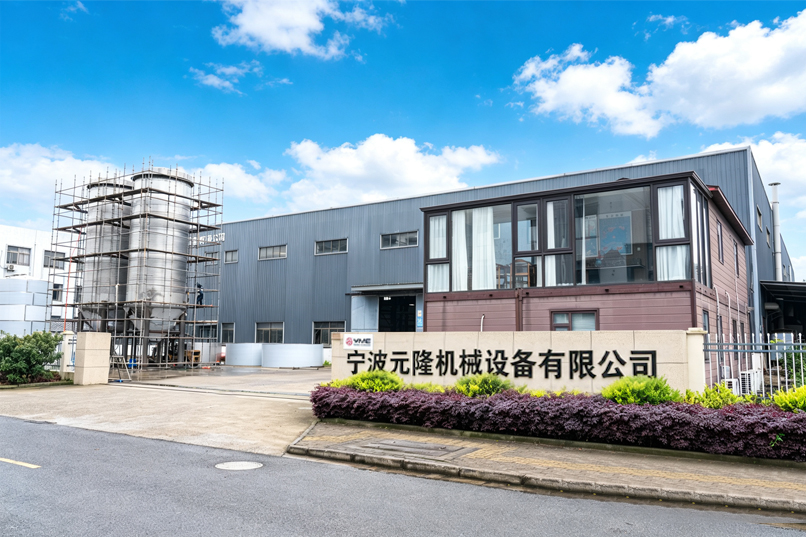
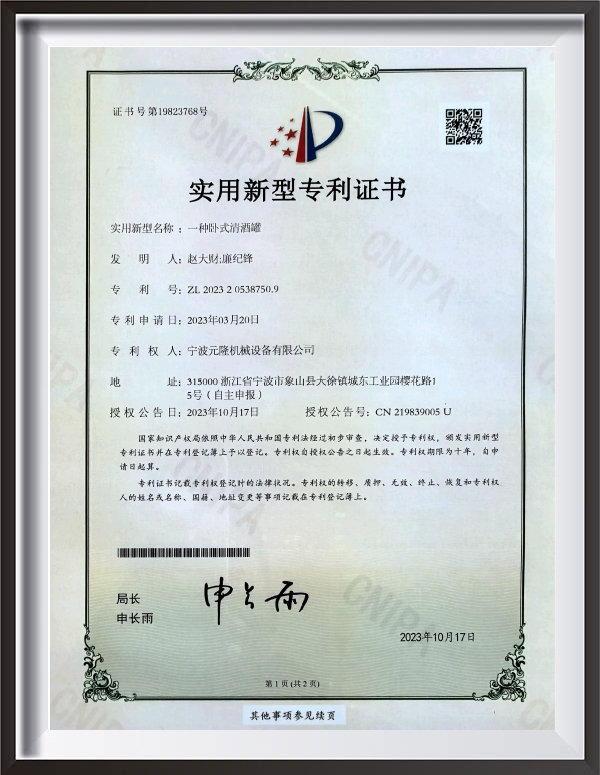
As a China-based OEM/ODM manufacturer of fluid process and brewery equipment with over 20 years of industry experience, YME Equipment Co., Ltd designs and supplies stainless steel aseptic storage tanks and aseptic buffer storage tanks as part of complete brewhouse, fermentation, and CIP system solutions. YME's engineering and production teams undergo continuous technical training to keep pace with evolving hygienic design standards, and the company's stainless steel equipment has been exported to customers across Europe, North America, Australia, and Asia, supported by long-term technical partnerships built on consistent product quality.
Choosing the Right Tank Capacity and Design
Selecting an appropriately sized buffer tank depends on the filler's downtime tolerance and the sterilizer's continuous output rate. The table below outlines general capacity ranges commonly seen across the industry for reference.
General capacity reference ranges for aseptic buffer storage tanks
| Production Scale |
Typical Tank Volume |
Common Application |
| Pilot / small batch |
50L – 600L |
R&D and pilot-scale trials |
| Mid-scale production |
6,000L – 15,000L |
Dairy and juice lines |
| Large-scale production |
20,000L – 40,000L+ |
High-volume beverage plants |
Source: general industry capacity ranges compiled from published equipment specifications across the aseptic processing sector.
Frequently Asked Questions
Q1: How long can product safely stay inside an aseptic buffer storage tank?
Holding time depends on the product and tank design, but well-engineered aseptic buffer tanks are built to maintain sterility for extended holding periods, often spanning a full production shift, without compromising product safety.
Q2: What material grade is used for stainless steel aseptic storage tanks?
Most product-contact surfaces use 316L stainless steel for its corrosion resistance and hygienic finish, while non-product-contact structural parts may use 304 stainless steel to balance performance and cost.
Q3: Can aseptic buffer storage tanks be integrated with existing CIP systems?
Yes. These tanks are typically designed with standardized CIP/SIP connection points so they can be incorporated into an existing cleaning loop or a dedicated single-tank CIP unit without major line modifications.
Q4: Do aseptic buffer tanks require an agitator?
An agitator is only necessary for products with particulates or those prone to settling, such as juices with pulp or yogurt-based drinks; smooth liquid products like plain UHT milk often run efficiently without one.



 English
 русский
 عربى
عربى