Products

Custom Single Wall Mixing Tanks
Home / Products / Mixing Tanks / Sanitary & Jacketed Mixing / Single Wall Mixing Tanks

Single Wall Mixing Tanks Supplier

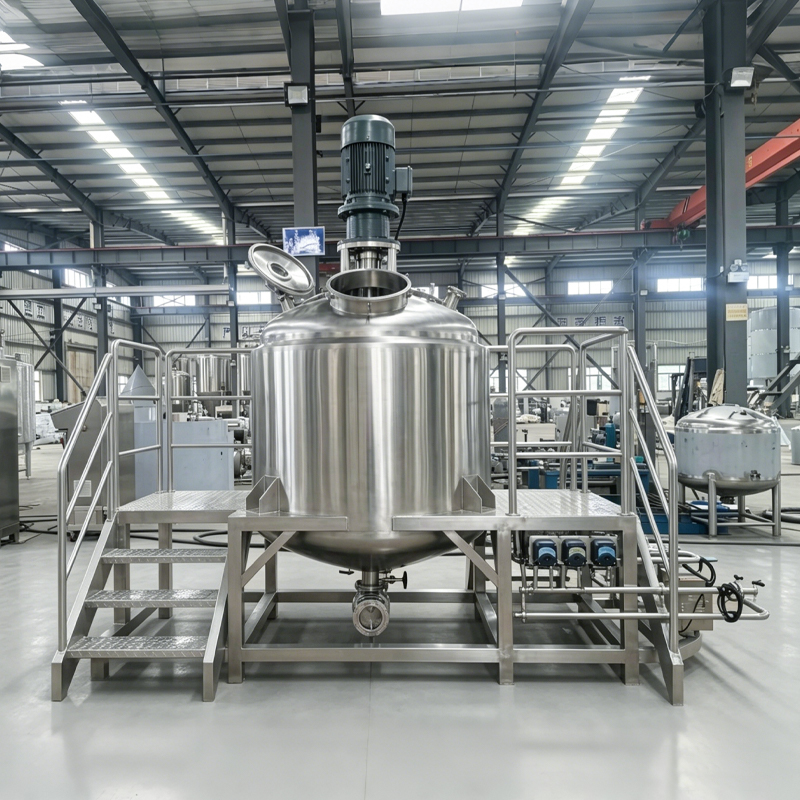
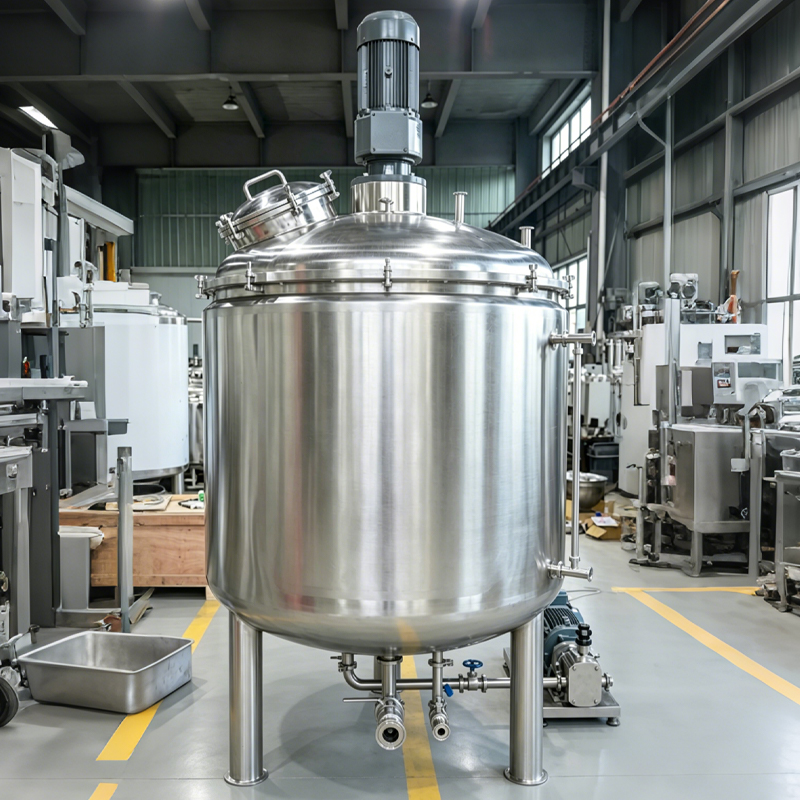
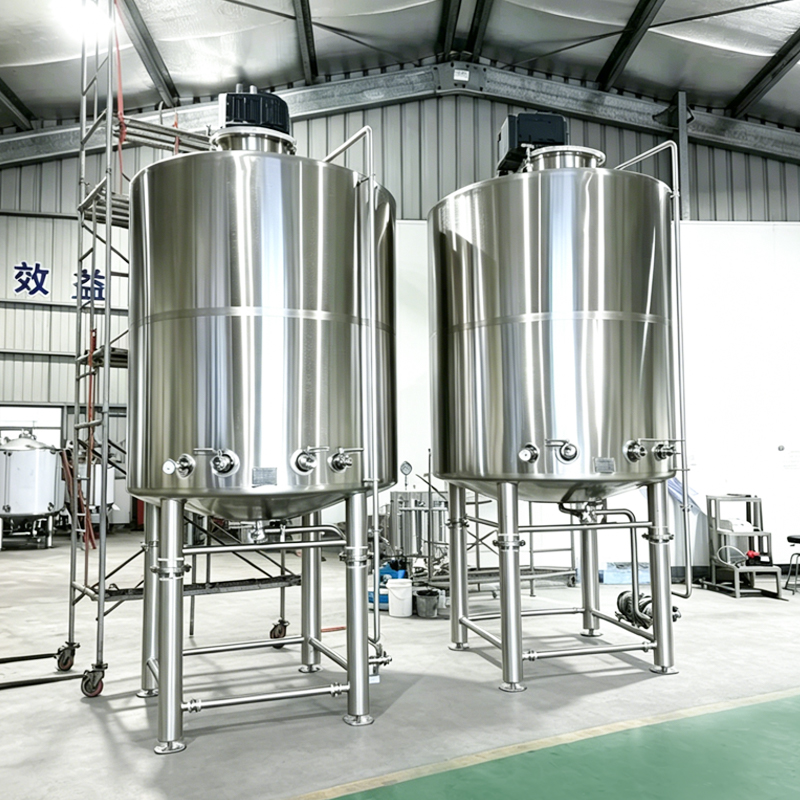
·Technical Advantages: These tanks feature a robust, atmospheric open-top or sealed design with high-torque agitation systems. The interior is precision-engineered with a mirror-polished finish (Ra < 0.4μm) to prevent material adhesion and ensure complete drainage.

·Unique Selling Points (USPs): Manufactured from premium SS304/SS316L, these vessels offer a cost-effective, Sanitary Grade solution that is exceptionally easy to clean and maintain. They provide a durable, long-term mixing solution without the complexity of thermal jackets.

·Industrial Applications: Ideal for Kombucha Tea Brewing, light-duty chemical blending, juice reconstitution, and as sanitary batching tanks for water-based solutions.

YME Equipment Co., Ltd.
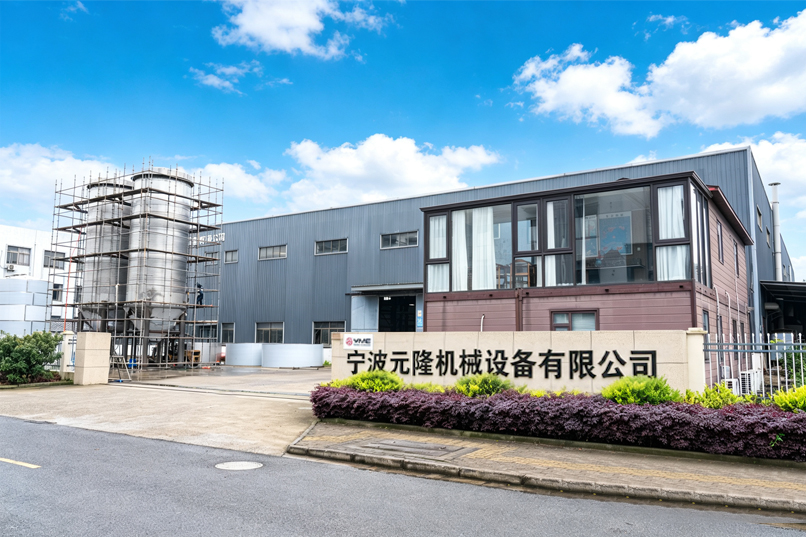
Founded in 2001, YME is headquartered in Ningbo, Zhejiang, China. We are a China Single Wall Mixing Tanks Supplier and Custom Single Wall Mixing Tanks Company, primarily stainless steel processing business with a modern manufacturing facility covering 6000m3. In recent years, our company has become one of the leaders in the stainless steel products industry, earning wide recognition from customers for our high-quality products and excellent service.
YME's success is built on the strength of our dedicated team—a group of passionate professionals who combine deep industry experience with a relentless drive for innovation. Our designers, engineers, and production staff are not only highly skilled but also continuously undergo advanced training to stay at the forefront of industry trends and technologies. This commitment to excellence allows us to adapt seamlessly to projects of any size and complexity, delivering tailored solutions with precision and creativity. It's this blend of expertise, forward-thinking, and collaborative spirit that enables us to consistently exceed client expectations and bring visionary ideas to life.
Our reach extends across the globe—from manufacturing hubs in Asia to developed markets in Europe, North America, and Australia. This widespread acceptance is the direct result of the lasting partnerships we've cultivated with customers in every region we serve. By consistently providing stainless steel equipment of unparalleled quality, we have built a foundation of trust that looks to the future. Looking ahead, we are committed to strengthening these bonds and expanding our global family, united by a shared vision for excellence.
YME's success is built on the strength of our dedicated team—a group of passionate professionals who combine deep industry experience with a relentless drive for innovation. Our designers, engineers, and production staff are not only highly skilled but also continuously undergo advanced training to stay at the forefront of industry trends and technologies. This commitment to excellence allows us to adapt seamlessly to projects of any size and complexity, delivering tailored solutions with precision and creativity. It's this blend of expertise, forward-thinking, and collaborative spirit that enables us to consistently exceed client expectations and bring visionary ideas to life.
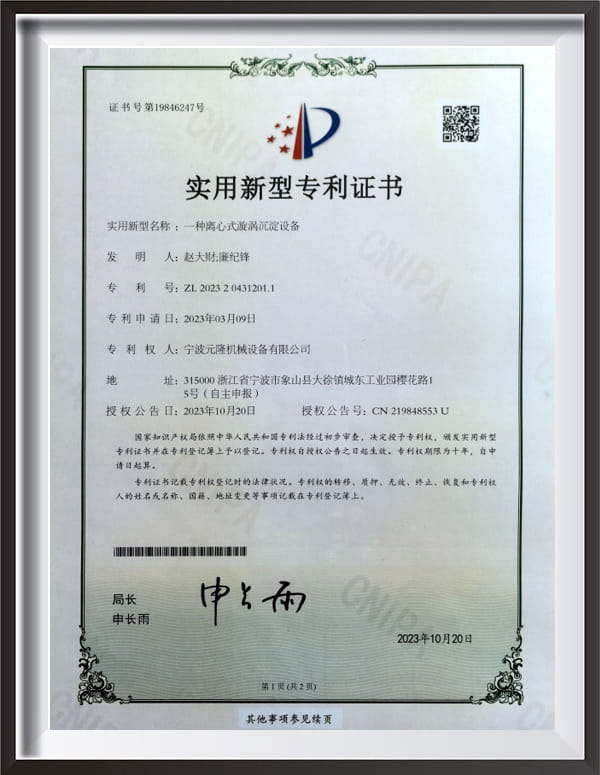
Certificate Of Honor
  • Certificate
  • Certificate
  • Certificate
  • Emissions Permit
News
  • What Does a Fermentation Tank Do? The Direct Answer A fermentation tank creates and maintains a controlled environment where microorganisms — typically yeast or bacteria — convert sugars into alcohol, carbon dioxide, acids, or other byproducts through a biochemical process called fermentation. The ...

    READ MORE
  • What Are the Different Types of Storage Tanks? Quick Answer Storage tanks are generally classified by three factors: construction material, shape and orientation, and pressure or temperature design. The most common categories are stainless steel storage tanks, vertical and horizontal tanks, single-...

    READ MORE
  • What Is a Mixing Tank? The Direct Answer A mixing tank is an enclosed or open vessel — typically fabricated from stainless steel — that uses a rotating agitator to blend liquids, powders, or a combination of both into a homogeneous mixture. The tank provides the containment and structural body, whi...

    READ MORE
Single Wall Mixing Tanks Industry knowledge

What Are Single Wall Mixing Tanks

Single Wall Mixing Tanks are sanitary stainless steel vessels built with just one shell layer, without the additional jacket used for heating or cooling. They are designed for processes that only require blending, dissolving, or holding a product at ambient temperature, making them a straightforward and cost-effective choice compared to jacketed alternatives. Despite the simpler construction, single wall tanks still meet the same hygienic standards as other sanitary equipment, with polished interior surfaces, crevice-free welds, and easy-to-clean geometry.

These tanks are widely used across food, beverage, cosmetics, and chemical facilities wherever temperature control is not part of the mixing step—such as blending pre-heated liquids, dissolving powders in room-temperature water, or holding a finished product before packaging.

Advantages of Choosing a Single Wall Design

  • Lower upfront cost, since eliminating the jacket layer reduces material usage and fabrication time.
  • Lighter overall weight, which simplifies installation, floor loading requirements, and transport logistics.
  • Simpler maintenance, as there is no jacket cavity, heat transfer medium, or associated piping to inspect and service.
  • Faster fabrication lead time, making single wall tanks a practical option for tight project schedules or budget-conscious expansions.
  • Flexible mounting options, including portable caster-mounted units for smaller batch sizes that need to move between work areas.

How Single Wall Mixing Tanks Operate

Tank Body and Agitator

The tank body is fabricated from a single layer of SUS304 or SUS316L stainless steel plate, formed into a cylindrical shape with a flat, dish, or conical bottom depending on drainage needs. A top-mounted or side-mounted agitator—fitted with paddle, propeller, or anchor blades—drives the mixing action, with motor power and blade design selected based on product viscosity and batch size.

Inlet, Outlet, and Access Points

Ingredients are typically loaded through a top manway or inlet port, while a bottom or side outlet valve allows the finished product to be discharged by gravity or pump transfer. Sight glasses and level indicators help operators monitor batch volume and mixing progress without opening the tank.

Cleaning and Sanitation

Because the interior surface has no jacket-related welds or fittings, single wall tanks are often easier and faster to clean than jacketed units. A spray ball connected to a CIP system, or manual washdown for smaller tanks, is generally sufficient to maintain hygienic conditions between batches.

Single Wall vs. Jacketed Tanks: Choosing the Right Fit

Comparison between single wall and jacketed mixing tanks for common process needs
Factor Single Wall Tank Jacketed Tank
Temperature control Not available Built-in heating/cooling
Initial cost Lower Higher
Tank weight Lighter Heavier
Best use case Ambient blending, holding Heat-sensitive or temperature-critical processes

In practice, many facilities operate a mix of both types—using single wall tanks for straightforward blending or holding steps, and reserving jacketed tanks for stages where precise temperature control is essential, such as cooking or dissolving heat-sensitive ingredients.

Selecting the Right Capacity and Fittings

Single wall mixing tanks are available across a wide capacity range, from small 50–200 liter lab and pilot units to large production vessels exceeding 10,000 liters. Choosing the correct agitator speed, blade type, and port configuration—such as sanitary tri-clamp fittings—ensures the tank integrates smoothly with existing pumps, piping, and CIP systems already installed on the line.

YME Equipment Co., Ltd, a China-based OEM/ODM fluid process equipment manufacturer and brewery equipment supplier with over 20 years of experience, produces single wall mixing tanks alongside its broader range of stainless steel processing equipment, including brewhouse, fermentation, and CIP systems. Its equipment has been exported to customers across Europe, North America, Australia, and Asia, built on long-term partnerships and a consistent focus on quality.

Frequently Asked Questions

Q1: Can a single wall mixing tank be upgraded with a jacket later?
Retrofitting a jacket onto an existing single wall tank is possible in some cases, but it typically requires significant rework of the tank shell, so it is usually more practical to specify jacketed construction upfront if temperature control may be needed in the future.

Q2: Are single wall tanks suitable for food-grade applications?
Yes, when built from SUS304 or SUS316L stainless steel with a polished sanitary finish, single wall tanks fully meet food-grade hygiene requirements for blending and holding applications.

Q3: What agitator types work best in a single wall tank?
Paddle and propeller agitators suit low to medium viscosity liquids, while anchor agitators are better suited for thicker products that need continuous wall-scraping to prevent settling.

Q4: How do single wall tanks fit into an existing production line?
They are commonly installed as intermediate holding or blending vessels between upstream heating and downstream filling or packaging stages, connected through standard sanitary tri-clamp piping.

YME Equipment