What Are Integrated Sterilization Lines?
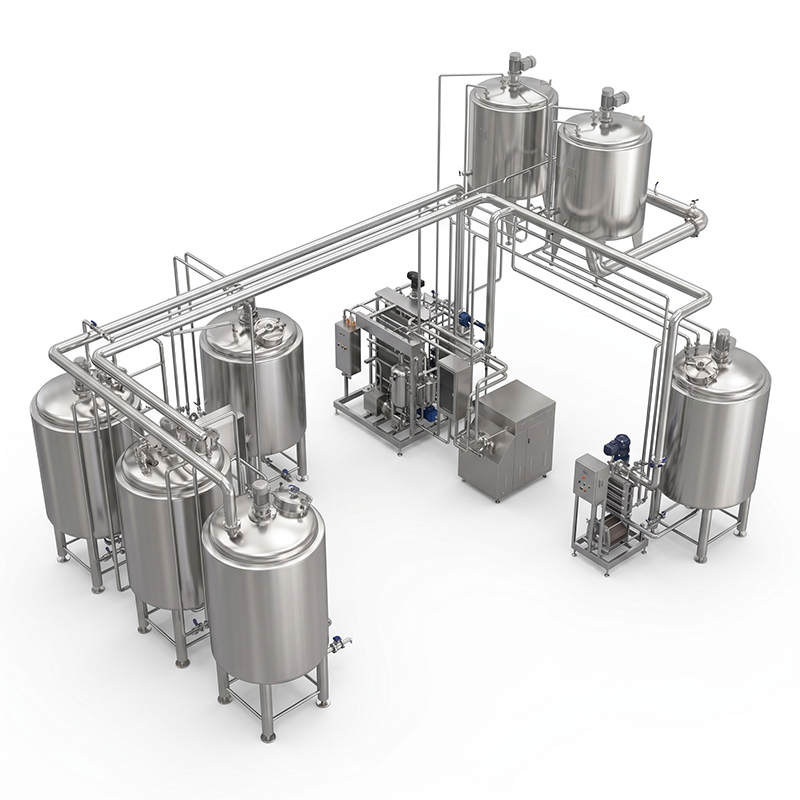
Integrated Sterilization Lines combine UHT (Ultra-High Temperature) sterilization equipment with upstream product handling and downstream aseptic filling into a single, fully coordinated production system. Unlike standalone pasteurization, sterilization runs at higher temperatures for shorter dwell times, typically 135–150°C for a few seconds, to achieve commercial sterility, meaning the finished product can be stored at ambient temperature without refrigeration until opened.
Because sterilized product must remain completely free of microbial contamination all the way through filling, integration between the sterilizer and the aseptic filler is far more critical here than in standard pasteurization lines, where a brief break in synchronization is less likely to compromise shelf stability.
Designing the sterilizer, buffer storage, and aseptic filler as one coordinated system delivers clear production and quality benefits.
- Maintained commercial sterility — synchronized valves and sterile barriers prevent any point along the line from breaking the sterile chain
- Consistent thermal treatment across every batch, since integrated PLC control maintains precise time-temperature profiles
- Reduced energy demand through regenerative heat exchange, where outgoing hot sterilized product preheats incoming cold product
- Fewer manual interventions between processing stages, lowering the risk of contamination introduced at transfer points
- Centralized monitoring of temperature, flow, and sterile barrier status from a single control system
How Integrated Sterilization Lines Work
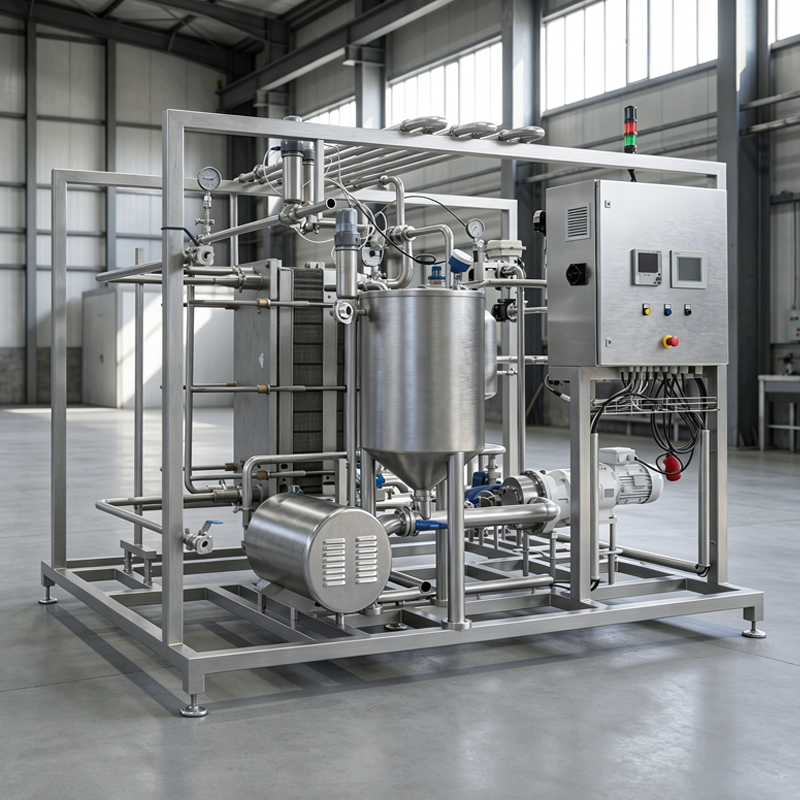
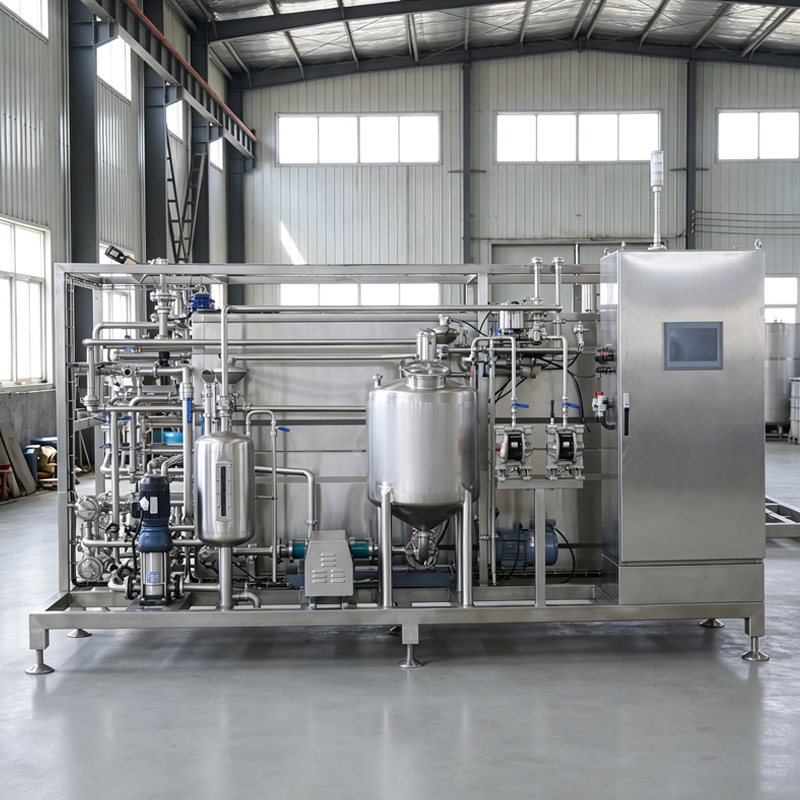
Product first passes through a regenerative heat exchanger, where it is preheated using recovered heat from already-sterilized product before entering the main heating section. In the holding tube, product is held at target sterilization temperature for a precisely calculated dwell time, long enough to achieve commercial sterility but brief enough to minimize thermal damage to flavor and nutritional content.
After sterilization, the product cools rapidly, again through the regenerative exchanger, before flowing into an aseptic buffer or surge tank that maintains sterile conditions through a positive-pressure air or nitrogen overlay. From there, product moves directly to the aseptic filler through sterile piping and mix-proof valves, with the entire sequence controlled by a shared PLC system that tracks temperature, flow rate, and sterile barrier integrity at every stage.
Sterile Barrier Coordination
Every valve, sensor, and connection point along the line is designed to maintain a continuous sterile barrier, since even a brief lapse can compromise the entire batch's shelf stability. Integrated control systems typically trigger an automatic line stop or diversion to waste if any sterile barrier reading falls outside its safe range.
Sterilization vs. Pasteurization Line Integration
While both processes rely on similar line integration principles, sterilization places stricter demands on sterile barrier maintenance. The table below outlines key differences.
General comparison between integrated sterilization and pasteurization line requirements
| Factor |
Integrated Sterilization Line |
Pasteurization Line |
| Typical process temperature |
135–150°C |
72–95°C |
| Product shelf stability |
Ambient, unopened |
Refrigerated |
| Sterile barrier requirement |
Continuous, strictly monitored |
Standard sanitary handling |
| Filling requirement |
Aseptic filler required |
Standard or hot filler |
Industry Applications and Manufacturing Expertise
Integrated sterilization lines are essential for dairy, juice, and plant-based beverage producers targeting long ambient shelf life without refrigeration, particularly for products distributed across long supply chains where cold storage isn't guaranteed at every step. They are equally valuable for facilities exporting product internationally, since ambient stability simplifies logistics significantly.
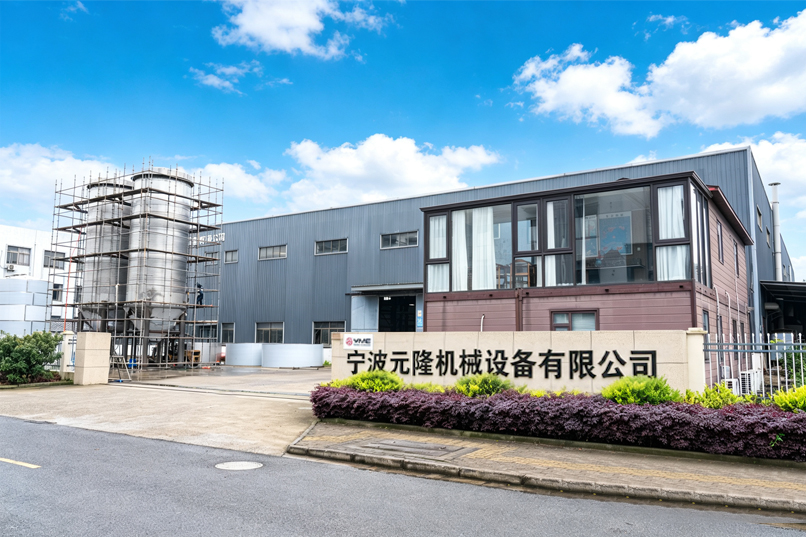
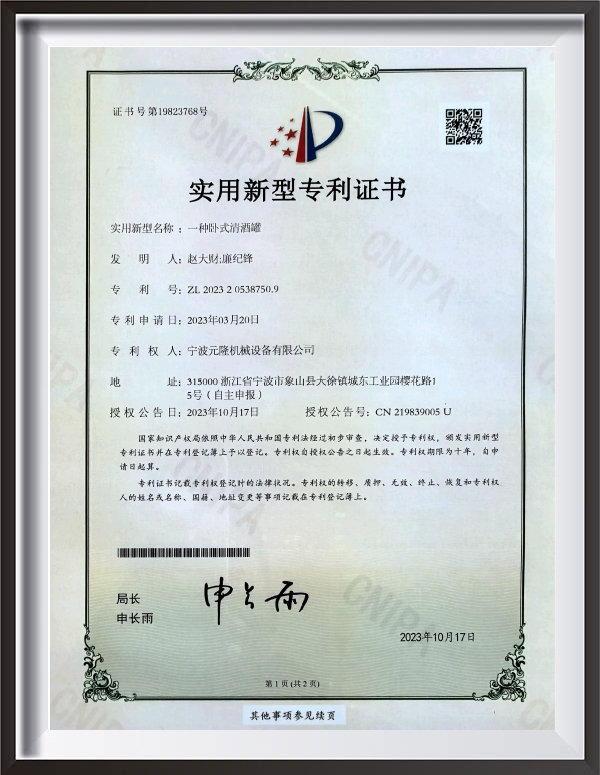
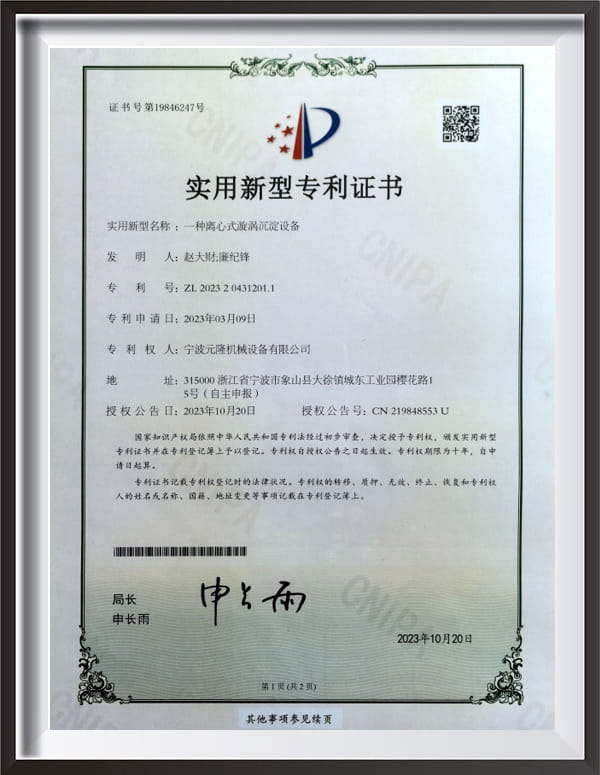
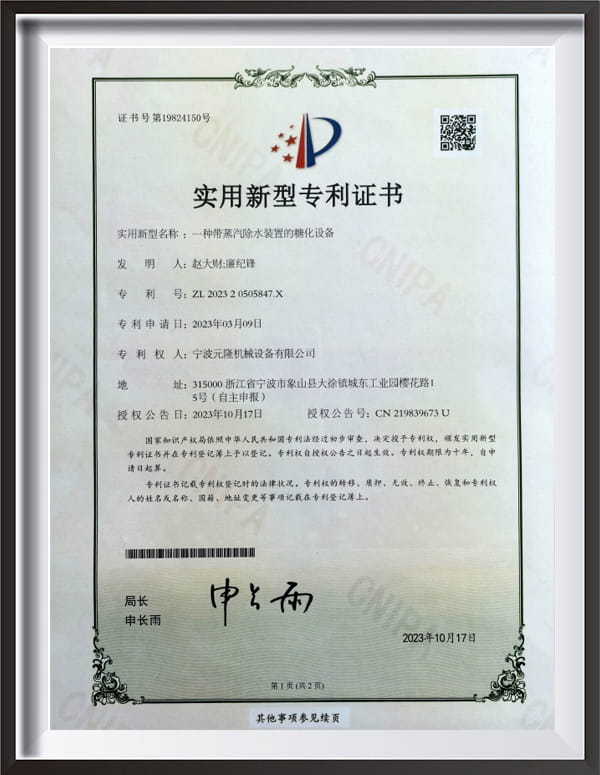
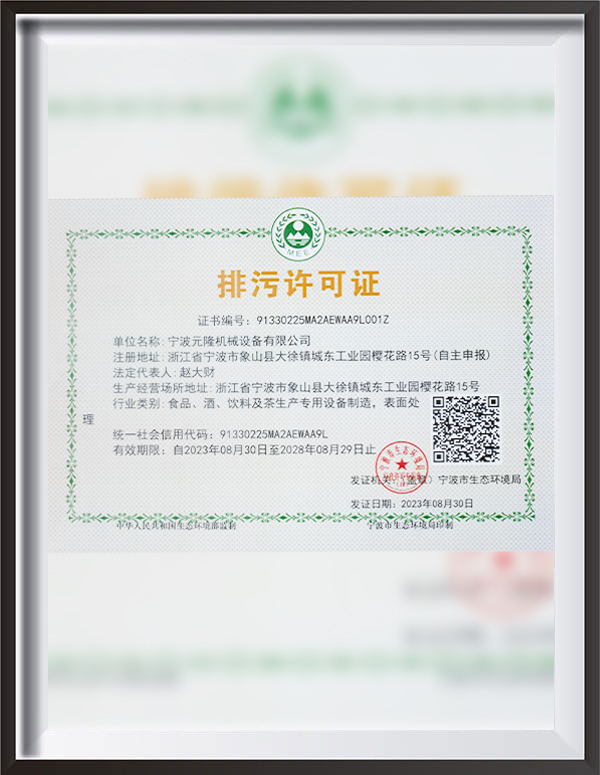
As a China-based OEM/ODM manufacturer of fluid process and brewery equipment with over 20 years of industry experience, YME Equipment Co., Ltd designs and integrates sterilization systems as part of comprehensive brewery and beverage processing solutions, from brewhouse and fermentation systems to CIP stations and full water treatment. YME's designers, engineers, and production staff continuously undergo advanced training to stay current with aseptic processing standards, allowing the company to tailor sterilization line integration to projects of any size and complexity. YME's stainless steel equipment has been exported to customers across Europe, North America, Australia, and Asia, supported by long-term partnerships built on consistent product quality and precise, tailored engineering.
Frequently Asked Questions
Q1: What makes sterilization line integration more demanding than pasteurization?
Sterilized product must maintain commercial sterility all the way to aseptic filling, so every valve and connection point requires continuous sterile barrier monitoring rather than standard sanitary handling alone.
Q2: How does regenerative heat exchange reduce energy costs?
Outgoing hot, already-sterilized product transfers its heat to incoming cold product through a shared heat exchanger, reducing the total external heating and cooling energy the system needs to supply.
Q3: What happens if a sterile barrier reading falls outside its safe range?
Integrated control systems typically trigger an automatic line stop or divert the affected product to waste, protecting the rest of the batch from potential contamination.
Q4: Can an integrated sterilization line handle multiple product types?
Yes, many systems are designed with adjustable time-temperature profiles and cleaning protocols that allow the same line to process different dairy, juice, or plant-based products with appropriate changeover procedures.



 English
 русский
 عربى
عربى