What Are Unitanks / Conical Fermenters?
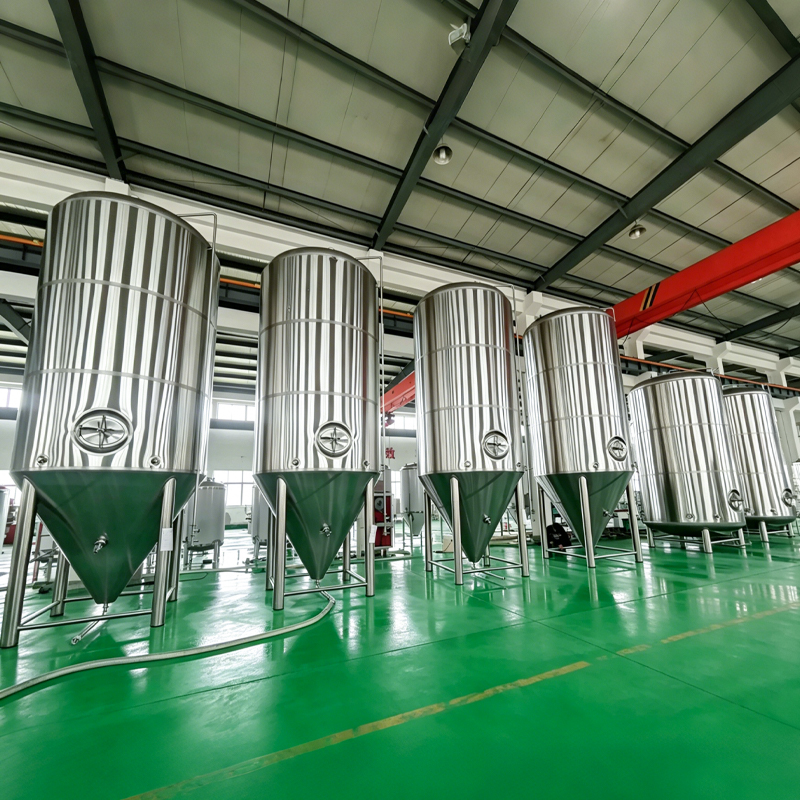
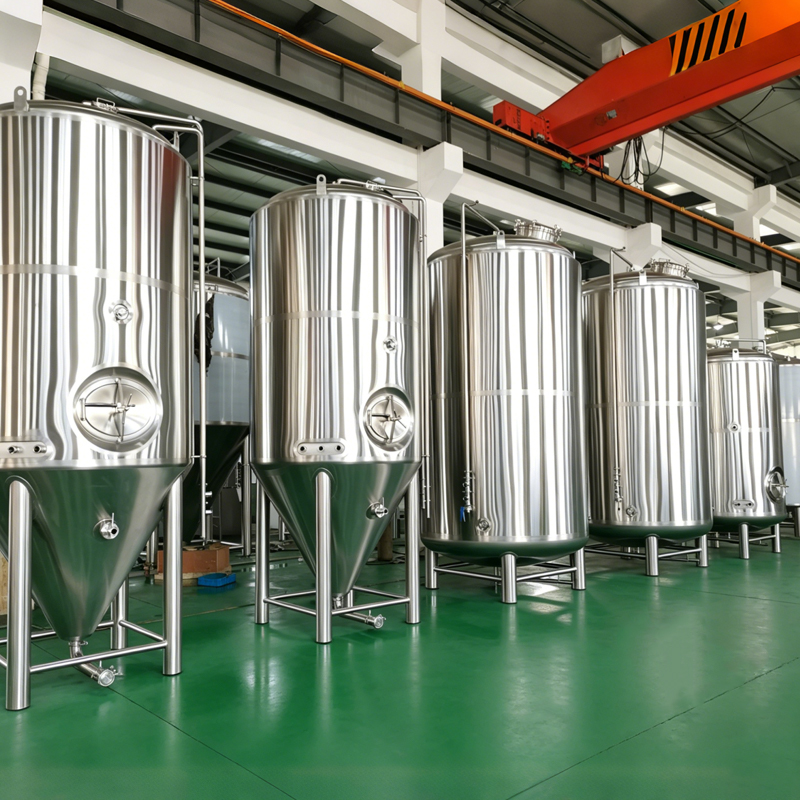
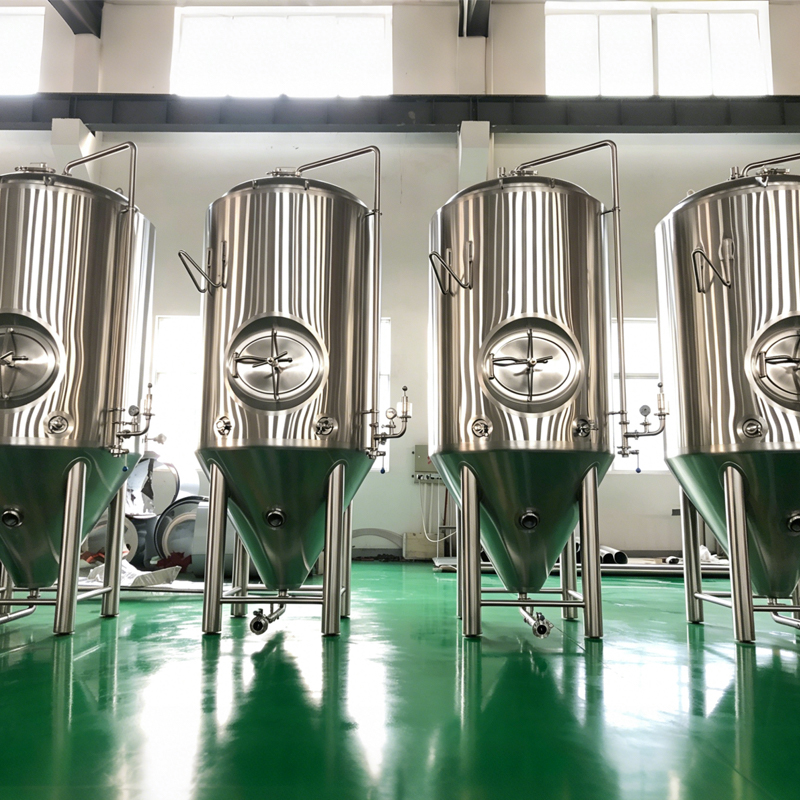
Unitanks / Conical Fermenters are cone-bottomed stainless steel vessels designed to carry beer through fermentation, yeast harvesting, and cold conditioning all within a single tank, rather than transferring the beer to a separate bright tank once fermentation finishes. The name "unitank" reflects this multi-stage capability, while "conical fermenter" refers to the tank's signature cone-shaped bottom, which is the structural feature that makes in-tank yeast harvesting and clean sediment removal possible.
This combined approach reduces the number of times beer needs to be moved between vessels, which directly reduces oxygen exposure and labor at each transfer point.
Key Advantages of Unitanks Over Separate Fermentation and Conditioning Vessels
Combining fermentation and conditioning into one conical vessel offers several concrete operational benefits.
- Fewer transfer steps — eliminating the fermenter-to-bright-tank transfer reduces oxygen pickup risk and saves pumping and cleaning time
- Efficient yeast harvesting directly from the cone bottom without needing to move the beer to access settled yeast
- Smaller equipment footprint for breweries that don't need dedicated bright tanks for every batch
- Simplified cleaning schedule, since fewer vessel transfers mean fewer CIP cycles per batch
- Pressure-capable design that supports natural carbonation control during the conditioning phase without a separate carbonation tank
How Unitanks and Conical Fermenters Work Through Each Stage
During active fermentation, the unitank functions like any jacketed fermenter: yeast converts sugars to alcohol and CO2 while a glycol jacket manages the resulting heat. Once fermentation activity slows, most of the yeast naturally settles into the cone due to gravity and the cone's steep angle, typically 60 degrees or steeper, which concentrates the sediment into a small, easily drainable pocket at the bottom.
Brewers can then harvest healthy yeast directly through the cone's dump valve for reuse in a future batch, without disturbing the beer above. After harvesting, the same tank transitions into a conditioning phase: the temperature is dropped further to encourage remaining particle settling, and the sealed vessel allows CO2 to build to the target carbonation level under controlled pressure.
Cone Angle and Yeast Harvest Efficiency
A steeper cone angle generally improves yeast harvest efficiency by concentrating sediment into a smaller area, while a shallower cone increases usable tank volume but can make complete yeast removal slightly less efficient. This trade-off is a key design consideration when selecting a unitank for a specific brewery's yeast reuse practices.
Unitanks vs. Separate Fermenter and Bright Tank Setups
The table below compares a unitank workflow against using dedicated separate vessels for fermentation and conditioning.
General comparison between unitank workflow and separate fermenter/bright tank setups
| Factor |
Unitank Workflow |
Separate Vessel Workflow |
| Transfer steps |
None between fermentation and conditioning |
One transfer to a dedicated bright tank |
| Oxidation risk |
Lower, fewer transfers |
Slightly higher at transfer point |
| Equipment count needed |
Fewer dedicated vessels |
Separate fermenters and bright tanks |
| Tank turnaround speed |
Slower, tank occupied through both stages |
Faster, fermenter frees up sooner |
Industry Applications and Manufacturing Expertise
Unitanks and conical fermenters are widely used across craft and mid-size breweries that value flexibility and reduced handling over maximizing tank turnover speed, particularly where minimizing oxygen exposure is a priority for hop-forward or delicate beer styles. They are also common in wineries and cideries adopting similar cone-bottom designs for yeast management.
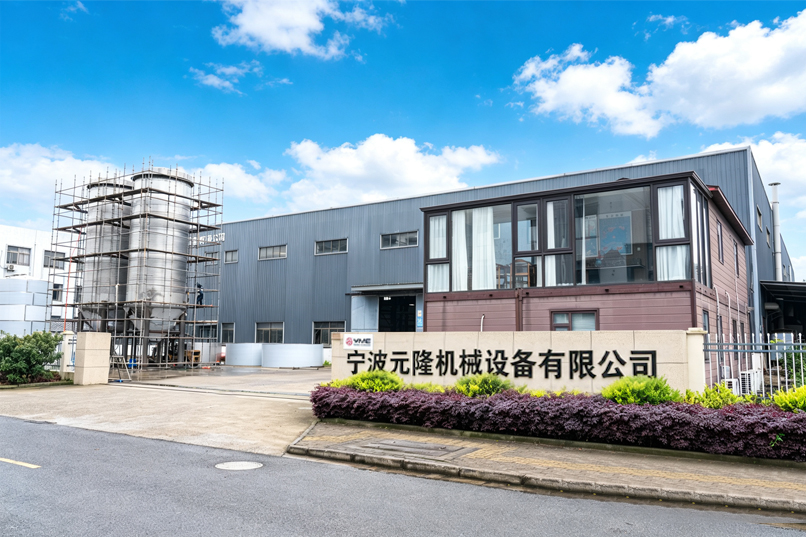
As a China-based OEM/ODM manufacturer of fluid process and brewery equipment with over 20 years of industry experience, YME Equipment Co., Ltd designs and manufactures unitanks and conical fermenters as part of comprehensive brewery solutions, from brewhouse and fermentation systems to CIP stations and full water treatment. YME's designers, engineers, and production staff continuously undergo advanced training to stay current with fermentation vessel design, allowing the company to tailor cone geometry and jacket zoning to projects of any size and complexity. YME's stainless steel equipment has been exported to customers across Europe, North America, Australia, and Asia, supported by long-term partnerships built on consistent product quality and precise, tailored engineering.
Frequently Asked Questions
Q1: Do unitanks take longer to free up than using separate vessels?
Yes, since the same tank is occupied through both fermentation and conditioning, breweries with high batch turnover sometimes prefer separate vessels to keep fermenters cycling faster.
Q2: How is yeast harvested from a conical fermenter?
Yeast settles into the cone due to gravity and its steep angle, then can be drawn off through a dump valve at the bottom without disturbing the beer sitting above it.
Q3: Can a unitank hold carbonation pressure like a dedicated bright tank?
Yes, most unitanks are pressure-rated to support natural or injected carbonation during the conditioning phase, functioning similarly to a standalone bright tank in this respect.
Q4: What cone angle is typically used on conical fermenters?
Cone angles commonly range from 60 to 90 degrees, with steeper angles generally improving yeast harvest efficiency at a small cost to total usable tank volume.



 English
 русский
 عربى
عربى