Products

Brewing Equipment Supplier
Home / Products / Brewing Equipment

Brewing Equipment Factory

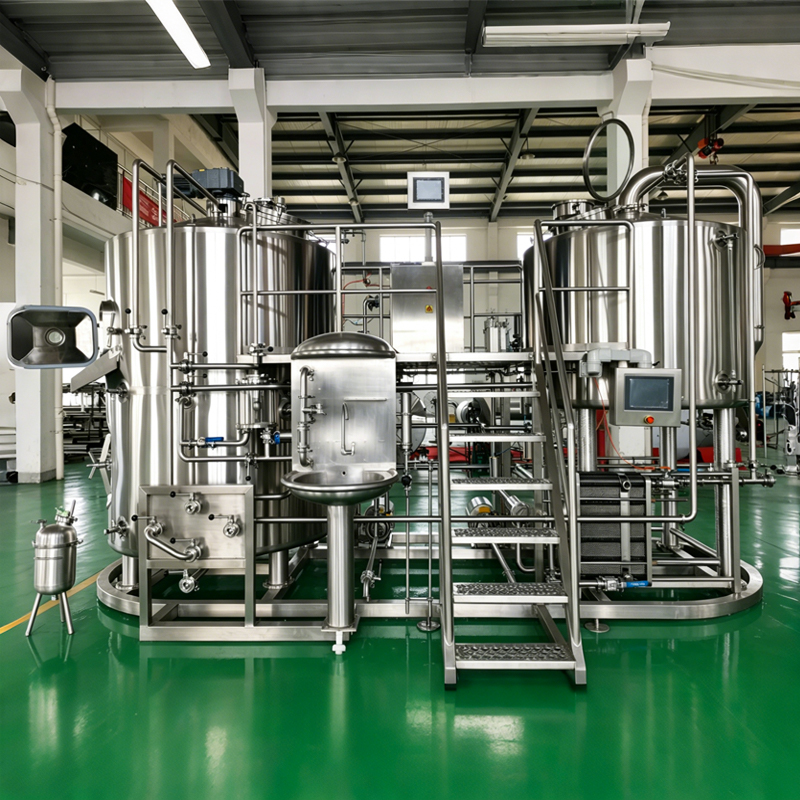
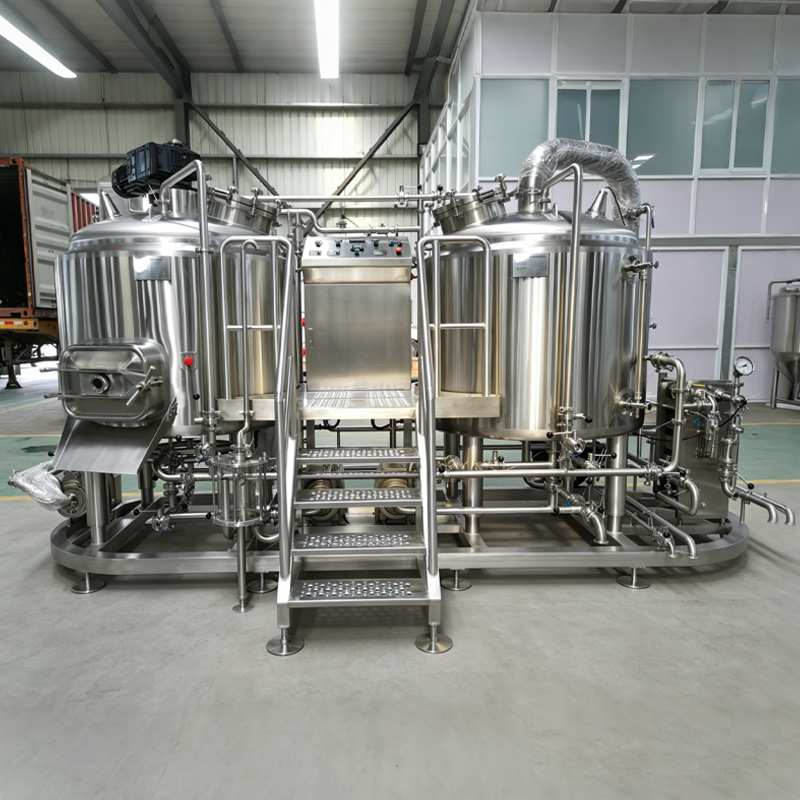
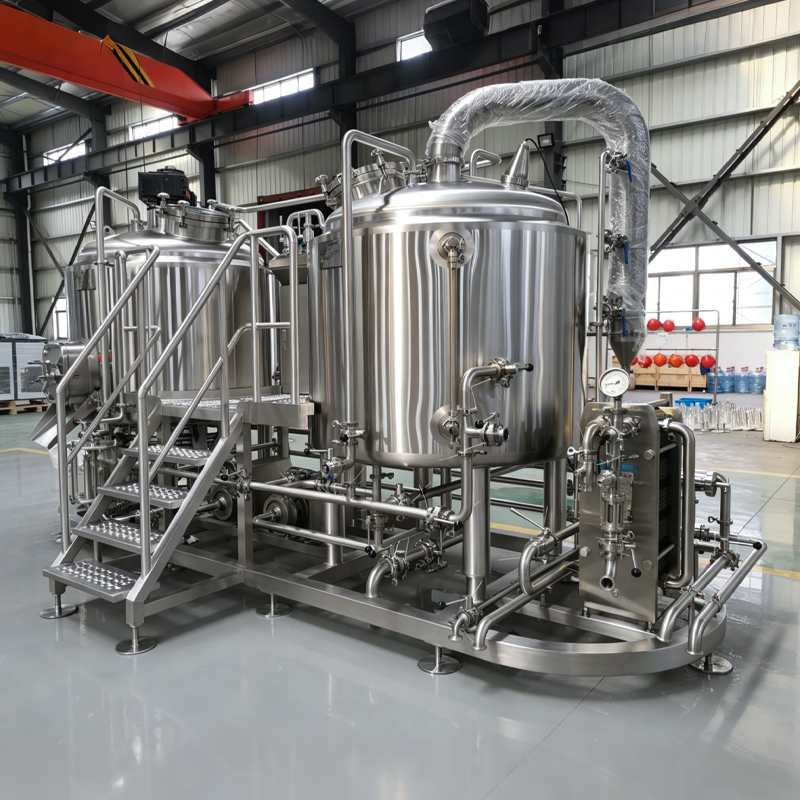
Ningbo Yuanlong (YME) is a premier manufacturer specializing in the engineering and fabrication of professional-grade stainless steel Brewing Equipment, providing high-efficiency turnkey solutions for craft breweries, microbreweries, and beverage production facilities worldwide. Adhering to strict ASME and FDA standards, our brewing systems are designed for maximum extract efficiency and consistent batch repeatability. The YME brewing portfolio encompasses comprehensive Brewhouse Systems (2-vessel to 5-vessel configurations), precision Fermentation Tank Farms, and high-performance Bright Beer Tanks (BBT). We specialize in advanced thermal engineering, utilizing high-efficiency Dimple Jackets and PLC-integrated control systems for precise mashing and fermentation management. Every component features sanitary Ra < 0.4μm internal finishes and robust SS304/316L construction to ensure biological stability. Leveraging our advanced OEM/ODM manufacturing capabilities, YME provides scalable infrastructure for Craft Beer, Kombucha, Hard Cider, and Hard Seltzer production, delivering industrial-grade durability with professional engineering support.

YME Equipment Co., Ltd.
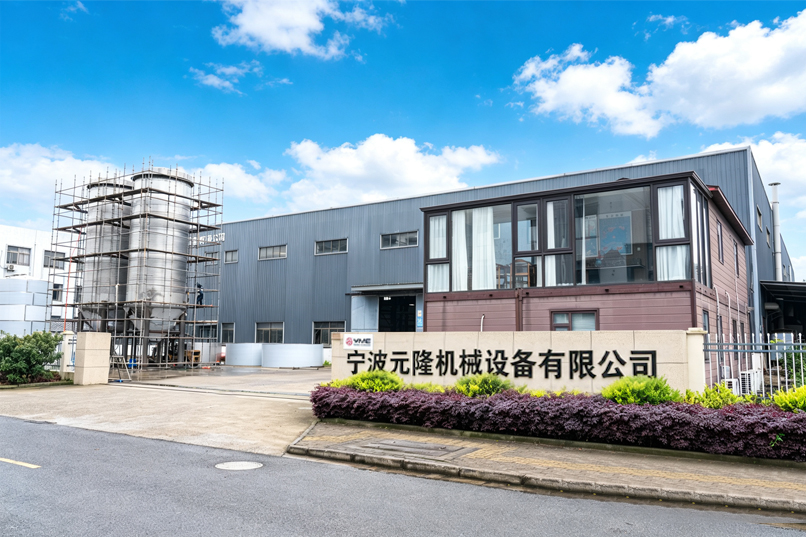
Founded in 2001, YME is headquartered in Ningbo, Zhejiang, China. We are a China Brewing Equipment Factory and Brewing Equipment Supplier, primarily stainless steel processing business with a modern manufacturing facility covering 6000m3. In recent years, our company has become one of the leaders in the stainless steel products industry, earning wide recognition from customers for our high-quality products and excellent service.
YME's success is built on the strength of our dedicated team—a group of passionate professionals who combine deep industry experience with a relentless drive for innovation. Our designers, engineers, and production staff are not only highly skilled but also continuously undergo advanced training to stay at the forefront of industry trends and technologies. This commitment to excellence allows us to adapt seamlessly to projects of any size and complexity, delivering tailored solutions with precision and creativity. It's this blend of expertise, forward-thinking, and collaborative spirit that enables us to consistently exceed client expectations and bring visionary ideas to life.
Our reach extends across the globe—from manufacturing hubs in Asia to developed markets in Europe, North America, and Australia. This widespread acceptance is the direct result of the lasting partnerships we've cultivated with customers in every region we serve. By consistently providing stainless steel equipment of unparalleled quality, we have built a foundation of trust that looks to the future. Looking ahead, we are committed to strengthening these bonds and expanding our global family, united by a shared vision for excellence.
YME's success is built on the strength of our dedicated team—a group of passionate professionals who combine deep industry experience with a relentless drive for innovation. Our designers, engineers, and production staff are not only highly skilled but also continuously undergo advanced training to stay at the forefront of industry trends and technologies. This commitment to excellence allows us to adapt seamlessly to projects of any size and complexity, delivering tailored solutions with precision and creativity. It's this blend of expertise, forward-thinking, and collaborative spirit that enables us to consistently exceed client expectations and bring visionary ideas to life.
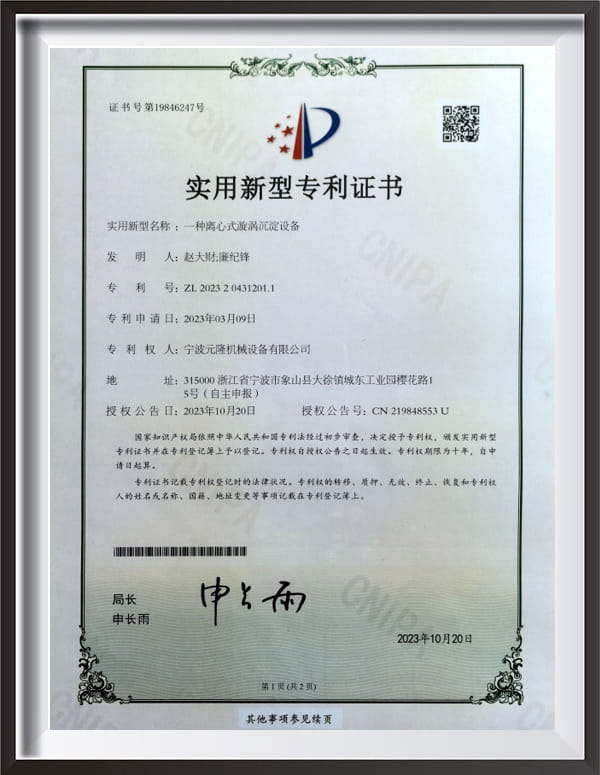
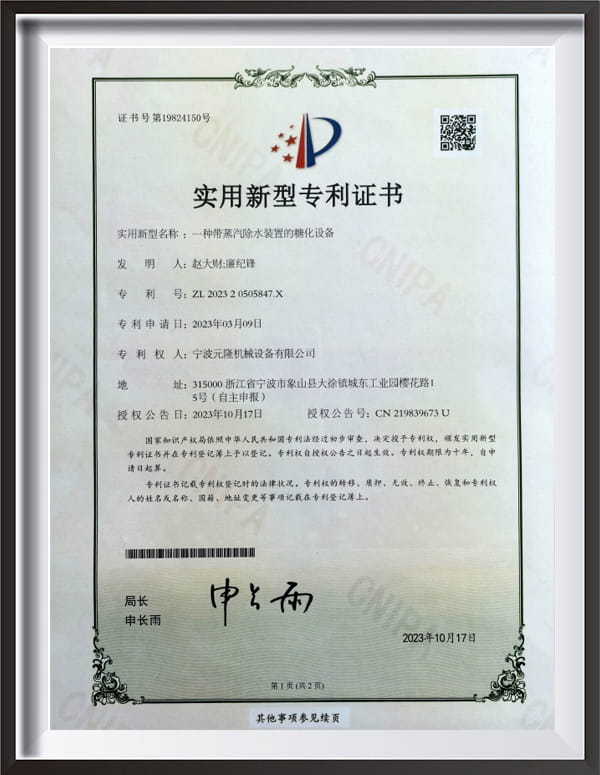
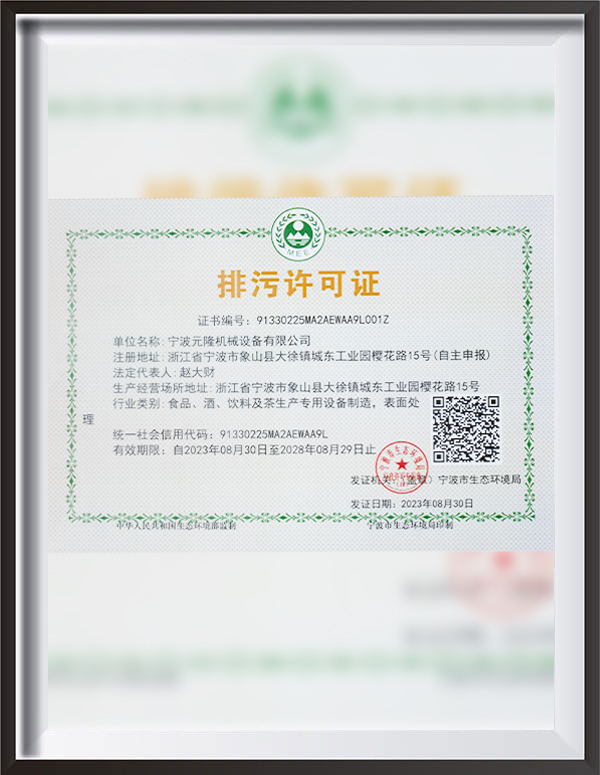
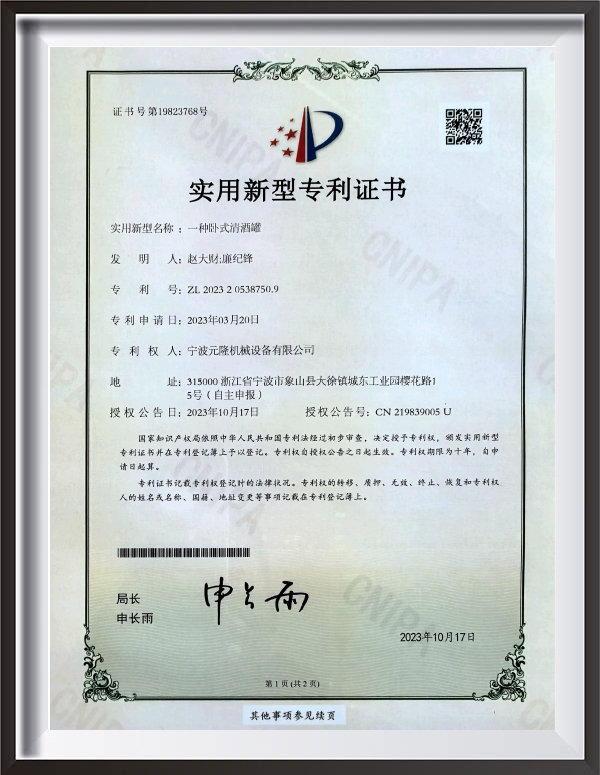
Certificate Of Honor
  • Certificate
  • Certificate
  • Certificate
  • Emissions Permit
News
  • What Does a Fermentation Tank Do? The Direct Answer A fermentation tank creates and maintains a controlled environment where microorganisms — typically yeast or bacteria — convert sugars into alcohol, carbon dioxide, acids, or other byproducts through a biochemical process called fermentation. The ...

    READ MORE
  • What Are the Different Types of Storage Tanks? Quick Answer Storage tanks are generally classified by three factors: construction material, shape and orientation, and pressure or temperature design. The most common categories are stainless steel storage tanks, vertical and horizontal tanks, single-...

    READ MORE
  • What Is a Mixing Tank? The Direct Answer A mixing tank is an enclosed or open vessel — typically fabricated from stainless steel — that uses a rotating agitator to blend liquids, powders, or a combination of both into a homogeneous mixture. The tank provides the containment and structural body, whi...

    READ MORE
Brewing Equipment Industry knowledge

Choosing the Right Brewing Equipment for Your Business

Selecting brewing equipment is less about finding the biggest or most advanced system and more about matching vessel capacity, automation level, and layout to actual production goals. A pilot brewery testing recipes has very different equipment needs than a production facility supplying multiple accounts. Getting this match right from the start avoids two common costly mistakes: underbuying capacity that gets outgrown within a year, or overbuying automation that sits underused while straining cash flow during the critical early growth period.

Factors That Determine the Right Equipment Fit

  • Target batch size and expected brew frequency per week, which together determine annual production capacity
  • Available floor space and ceiling height, since taller fermentation tanks require adequate clearance for cleaning and maintenance access
  • Utility availability, including water pressure, drainage capacity, and electrical or steam supply for heating
  • Recipe complexity, since multi-step mash schedules benefit from automated temperature control more than simple single-infusion recipes
  • Growth timeline, since modular systems that allow adding fermentation tanks later are often more cost-effective than committing to maximum capacity upfront

A useful rule of thumb many breweries follow is sizing fermentation capacity to roughly three to four times brewhouse batch volume, which allows one brew to be actively fermenting while another conditions and a third is packaged, keeping the brewhouse in near-continuous use rather than sitting idle between fermentation cycles.

Comparing Equipment Options by Brewery Scale

General brewing equipment guidance by production scale
Scale Typical Batch Size Recommended Setup
Pilot / nano Under 500 liters Compact two-vessel brewhouse, manual controls
Microbrewery 500-3,000 liters Three-vessel brewhouse, semi-automated controls
Production brewery 3,000+ liters Four-vessel brewhouse, full PLC automation

Maintenance Practices That Extend Equipment Life

  1. Run a full CIP cycle after every batch to prevent residue buildup that can harbor bacteria or wild yeast.
  2. Inspect gaskets, valves, and sanitary fittings on a set schedule, replacing worn seals before they cause leaks or contamination.
  3. Descale heating elements and glycol lines periodically to maintain efficient temperature control.
  4. Calibrate temperature probes and pressure gauges regularly, since drift in these readings can silently affect recipe consistency.
  5. Keep a maintenance log for each vessel, making it easier to spot recurring issues before they become costly failures.

Breweries that follow a documented maintenance schedule generally experience fewer unplanned equipment failures, since worn components are identified and replaced during routine checks rather than discovered mid-production.

Upfront Cost vs. Long-Term Value

The lowest-priced brewing equipment on the market is not always the most economical choice over a five- or ten-year operating period. Lower-grade stainless steel, thinner tank walls, and basic manual controls can reduce upfront cost but often increase long-term expenses through more frequent repairs, higher energy use from less efficient insulation, and lower batch consistency that affects product quality. Evaluating total cost of ownership—not just purchase price—gives a more accurate picture of which equipment investment actually delivers better value over the equipment's working life.

About YME Equipment Co., Ltd

YME Equipment Co., Ltd is a China-based OEM/ODM fluid process equipment manufacturer and brewery equipment supplier with over 20 years of experience, offering comprehensive brewing equipment solutions from brewhouse and fermentation systems to CIP stations and full water treatment. YME's designers, engineers, and production staff continuously undergo advanced training to stay current with industry trends, allowing the company to tailor equipment specifications to projects of any size and complexity rather than offering one-size-fits-all systems. YME's stainless steel brewing equipment has been exported to Europe, North America, Australia, and Asia, supported by long-term partnerships built on consistent quality and reliable technical support.

Frequently Asked Questions

Q1: How long does brewing equipment typically last with proper maintenance?
Well-maintained stainless steel brewing equipment can remain in reliable service for decades, since the material itself resists corrosion and mechanical wear when gaskets, valves, and controls are serviced on schedule.

Q2: Is it better to buy brewing equipment with room to grow, or exactly what's needed now?
Many breweries choose a modular approach, sizing the brewhouse for near-term batch needs while selecting a layout that allows additional fermentation tanks to be added later as demand grows.

Q3: What is the biggest factor in brewing equipment operating cost?
Energy use for heating and cooling is typically the largest ongoing operating cost, which is why insulation quality and efficient temperature control systems matter as much as the initial purchase price.

Q4: Can existing brewing equipment be upgraded instead of replaced?
In many cases yes—adding automation controls, additional fermentation tanks, or an upgraded CIP station can extend the useful life of an existing brewhouse without a full system replacement.

YME Equipment