What a Beer Brewing Kit Actually Includes
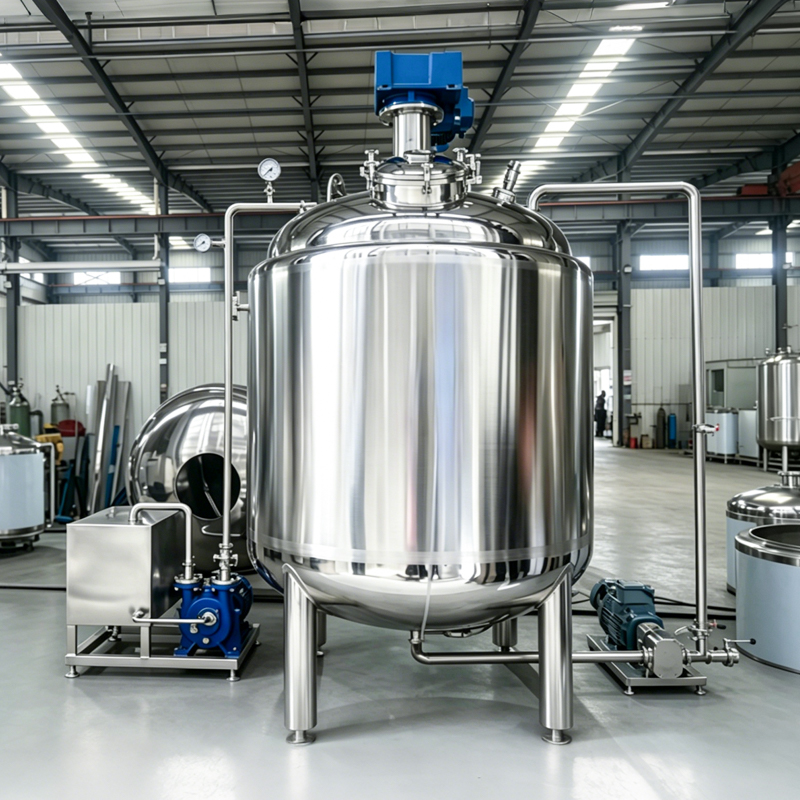
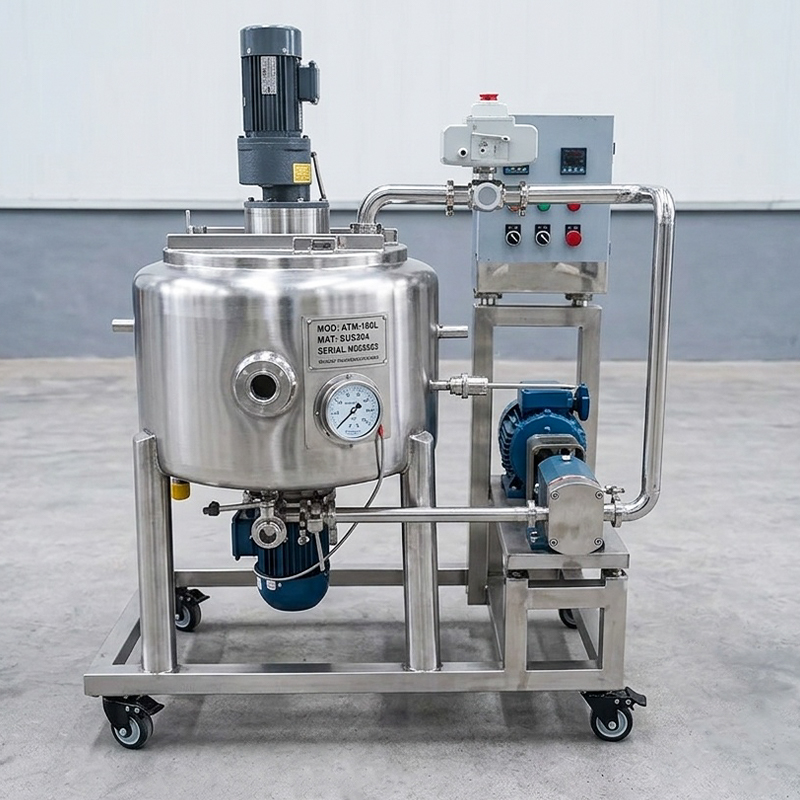
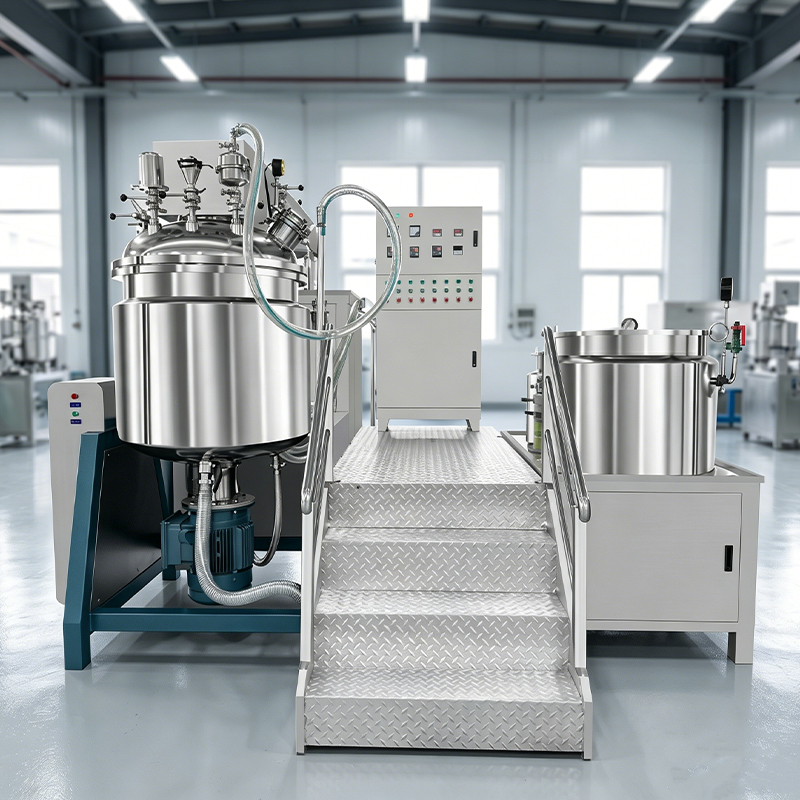
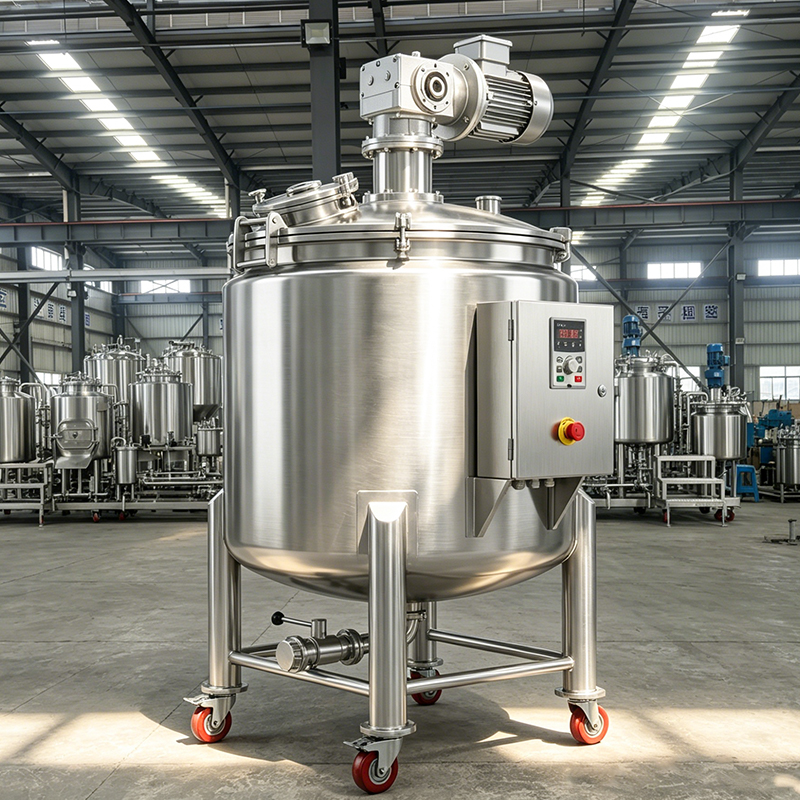
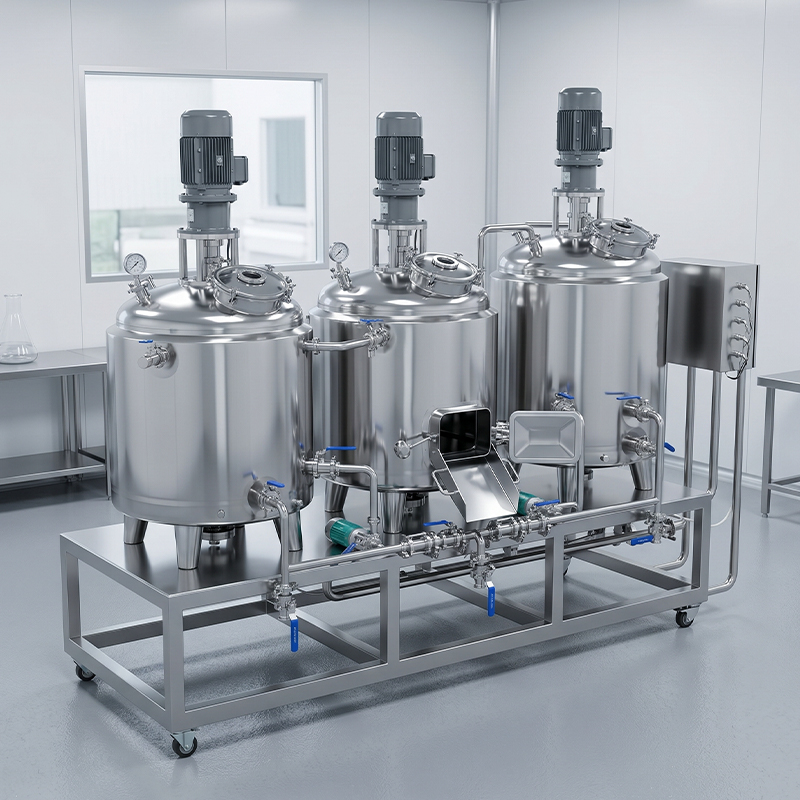
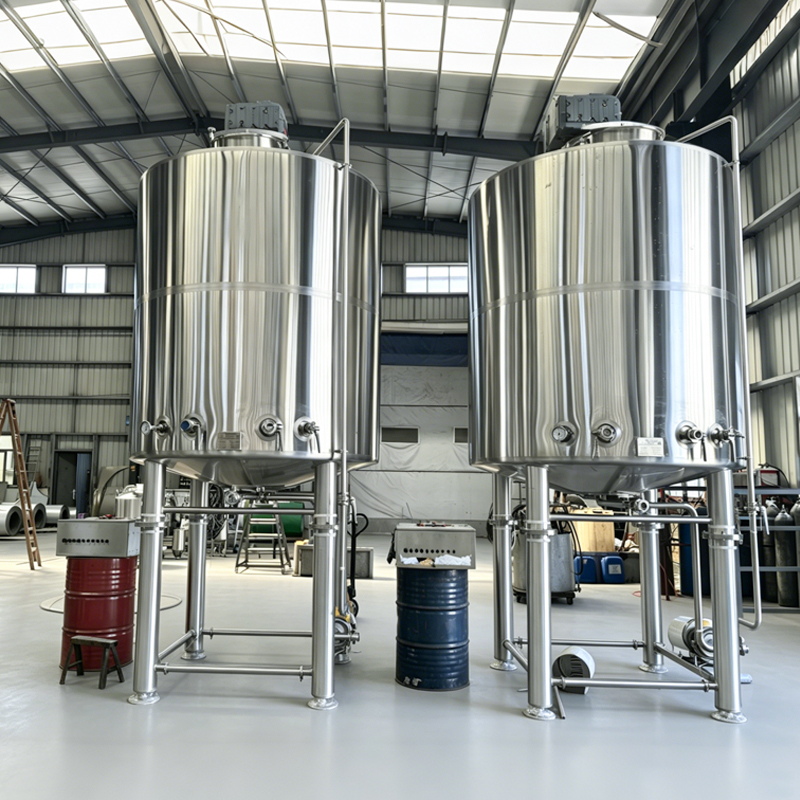
A beer brewing kit is a pre-configured set of stainless steel vessels and controls designed to take wort from boil through fermentation with minimal guesswork. A typical home brew kit pairs a brew kettle with a temperature-controlled fermenter, while commercial-grade versions scale up to a full brewhouse with mash tun, lauter tun, boil kettle, and whirlpool integrated into one skid. Across both scales, the underlying goal is the same: give the brewer repeatable control over temperature, time, and sanitation so that each batch tastes consistent from one brew day to the next.
Key Advantages of a Well-Designed Home Brew Kit
- Consistent temperature control through jacketed vessels or electric heating elements, reducing batch-to-batch flavor variation
- Food-grade 304 or 316 stainless steel construction that resists corrosion and does not impart off-flavors to the beer
- Compact, all-in-one layouts that fit garages, small breweries, or taprooms without extensive plumbing work
- Modular design that allows a hobbyist setup to be expanded into full commercial brewing equipment later without discarding the original vessels
- Simplified cleaning and sanitation, which directly affects the shelf stability and taste consistency of the finished beer
For nano and microbreweries in particular, starting with a well-built kit rather than assembling separate components individually can shorten commissioning time significantly, since the vessels, pumps, and controls arrive pre-matched and pre-tested as one system.
How the Fermentation Process Works
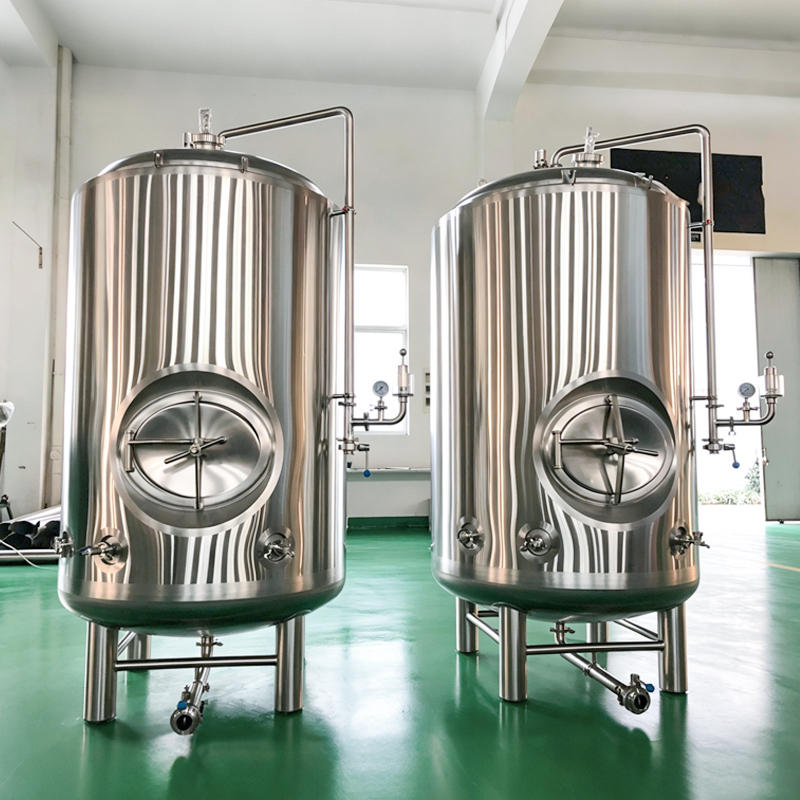
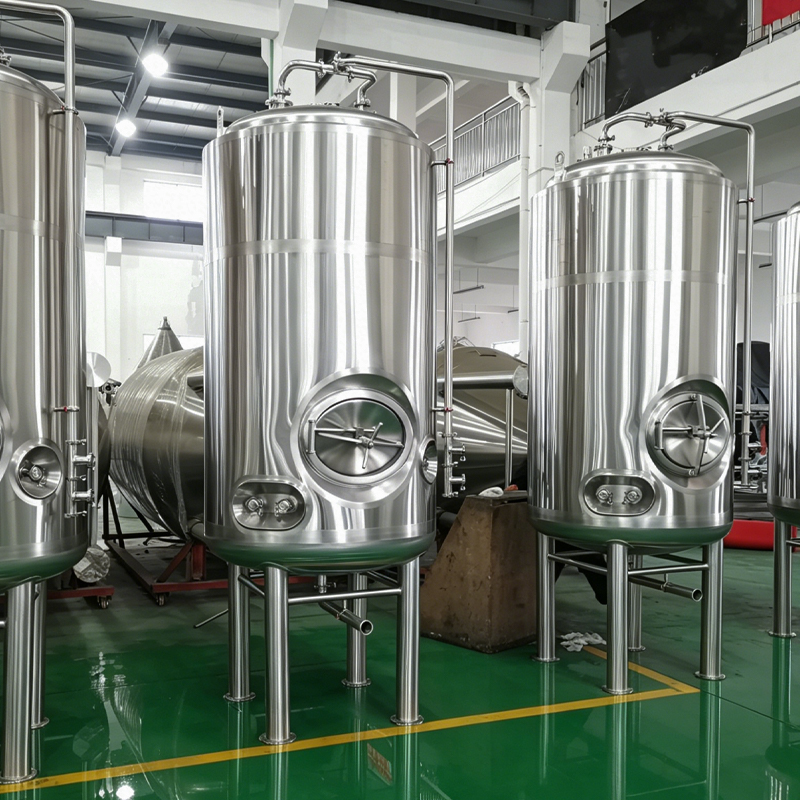
Once wort is transferred into the fermentation equipment, yeast is pitched and begins converting sugars into alcohol and carbon dioxide. This stage is the most sensitive part of the entire brewing process, since even a few degrees of temperature drift can shift the flavor profile toward unwanted esters or off-notes. A quality fermenter addresses this through several engineering features:
Core functions of fermentation equipment during the brewing cycle
| Function |
Purpose |
| Cooling jacket |
Removes heat generated by active yeast fermentation |
| Conical bottom |
Allows easy yeast harvesting and trub removal |
| Pressure relief valve |
Manages CO2 buildup and supports spunding for carbonation |
| Sanitary fittings |
Prevents contamination during transfer and sampling |
Scaling from a Home Brew Kit to Full Brewing Equipment
Many breweries begin with a small home brew kit to validate recipes before investing in production-scale brewing equipment. The transition typically follows a predictable path: single-vessel systems for testing, followed by two- or three-vessel brewhouses as batch size grows, and finally automated systems with programmable logic controllers for temperature and mash-step management once volume justifies the investment. Choosing equipment built on standardized sanitary fittings from the start makes this scaling path far smoother, since tanks and piping can often be reused or expanded rather than replaced outright.
Shared Engineering with Dairy Processing Equipment
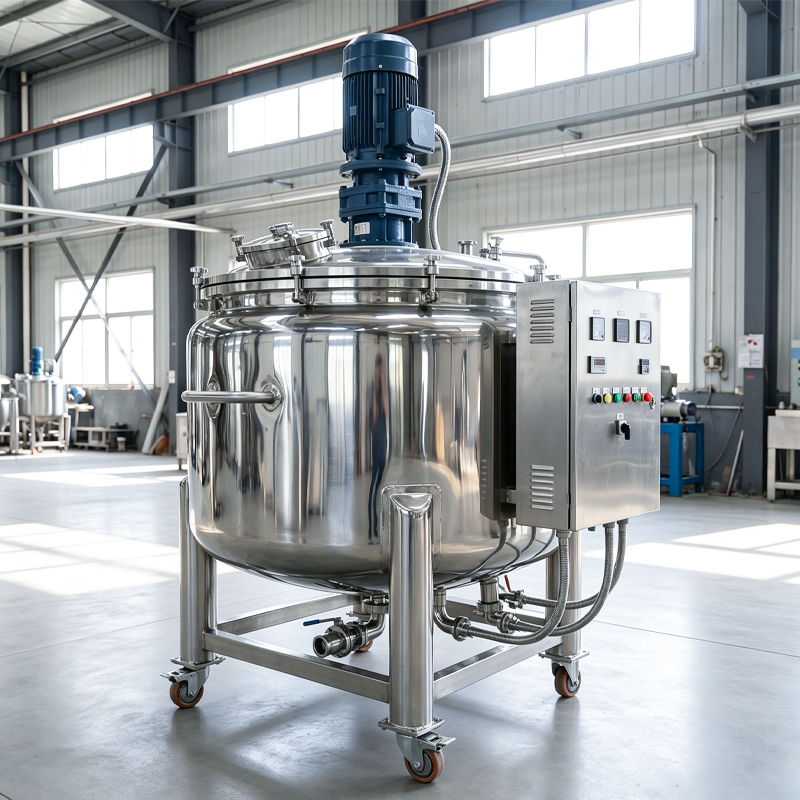
Brewing and dairy production share more engineering overlap than most people expect. Both processes depend on precise temperature holding, sanitary stainless steel piping, and CIP (clean-in-place) systems to prevent microbial contamination. Dairy processing equipment—such as pasteurizers, mixing tanks, and homogenizers—uses the same 304/316 stainless steel standards and hygienic welding practices found in quality brewing systems. This is why manufacturers experienced in stainless steel fluid process equipment are frequently able to serve both the beverage and dairy sectors, applying the same core fabrication and CIP expertise across different product lines.
About YME Equipment Co., Ltd
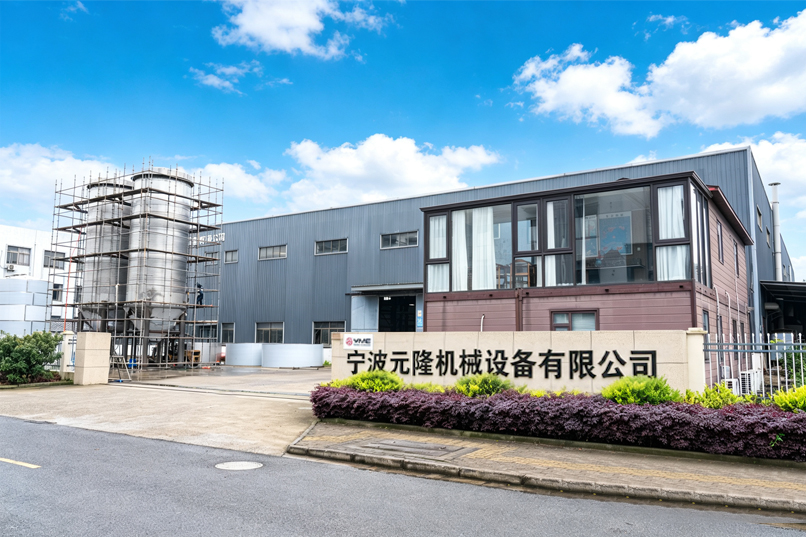
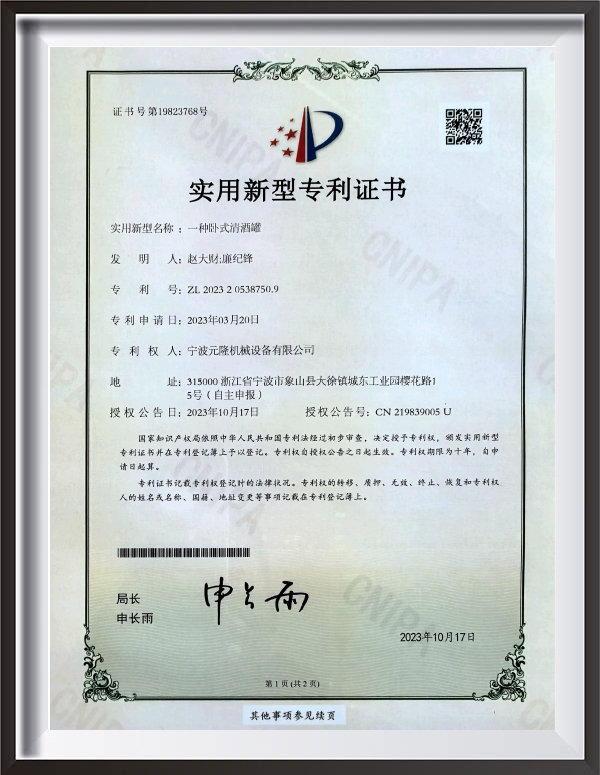
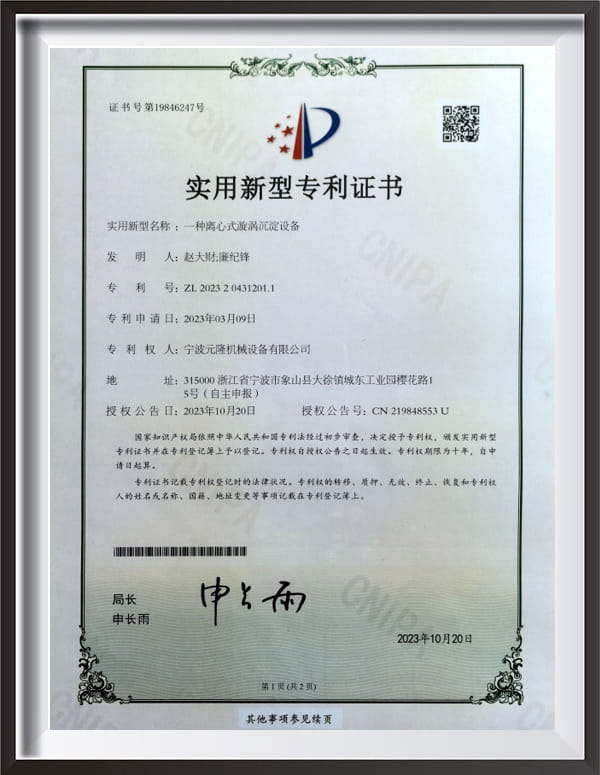
YME Equipment Co., Ltd is a China-based OEM/ODM fluid process equipment manufacturer and brewery equipment supplier with over 20 years of experience, offering comprehensive brewery solutions from brewhouse and fermentation systems through CIP stations and water treatment. The company designs and manufactures stainless steel equipment covering brewing systems, fruit and vegetable beverage equipment, honey purification equipment, fermentation tanks, and dairy processing lines. YME's engineering team includes chemical, mechanical, and electrical control specialists who custom-develop equipment based on each customer's process flow and product characteristics. Its products have been exported to Europe, North America, Australia, and Asia, supported by long-term partnerships built on consistent stainless steel equipment quality.
Frequently Asked Questions
Q1: What size home brew kit is right for a beginner?
Most beginners start with a 5-gallon (about 19-liter) system, which is large enough to produce a meaningful batch while remaining manageable to clean and store in a home kitchen or garage.
Q2: Can the same fermentation equipment be used for different beer styles?
Yes. As long as the fermenter allows adjustable temperature control and proper pressure management, the same vessel can handle ales, lagers, and specialty styles by adjusting fermentation temperature and duration.
Q3: How is brewing equipment different from dairy processing equipment?
The core stainless steel fabrication and CIP principles are similar, but brewing equipment is built around fermentation and carbonation control, while dairy processing equipment focuses on pasteurization, homogenization, and rapid cooling to preserve product safety.
Q4: Is stainless steel necessary for brewing and fermentation equipment?
Yes, food-grade stainless steel is the industry standard because it resists corrosion, withstands repeated sanitizing cycles, and does not react with acidic wort or finished beer, protecting flavor consistency over the equipment's service life.



 English
 русский
 عربى
عربى