

 English
 русский
 عربى
عربىScaling kombucha production requires strict control over oxygen levels and the prevention of cross-contamination. Our commercial line is specifically designed for fermented tea, integrating rapid tea ...
READ MORE
Commercial Brewhouse Safety Standards and Compliance Guide
Content
Table of Contents
1. Introduction
Understanding commercial brewhouse safety standards is crucial for any brewer. Proper compliance with these standards ensures the safety of both staff and customers. The 300L-1000L brewhouse systems must adhere to specific regulations. Ignoring these can lead to accidents and legal issues. In this guide, we will explore essential safety measures, known compliance guidelines, and the importance of adhering to these regulations.
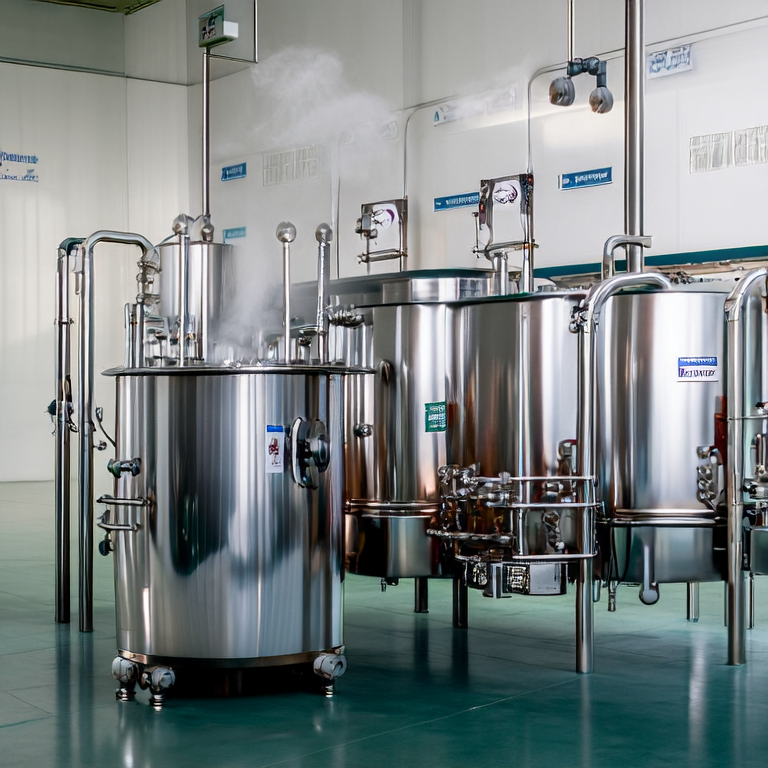
By grasping these concepts, brewers can create a safe environment while maximizing efficiency. Whether you run a large brewery or a smaller operation, this information is key to your business success.
2. Summary Answer
The main takeaway is that adhering to commercial brewhouse safety standards is vital for ensuring staff and product safety in 300L-1000L systems. This compliance not only protects employees and consumers but also prevents costly legal troubles.
3. Safety Standards for Commercial Brewhouses
- Regular Equipment Inspection and Maintenance
- Proper Training of Staff
- Effective Emergency Procedures
- Adherence to Health Regulations
- Use of Protective Gear
Regular Equipment Inspection and Maintenance
It is essential to check equipment regularly. This includes examining brewing kettles, fermentation tanks, and cooling systems to prevent equipment failure. Accurate maintenance schedules should be established and followed rigorously.
Proper Training of Staff
All personnel must undergo safety training. This helps staff recognize hazards and respond appropriately. Regular refresher courses should be implemented to keep safety protocols fresh in everyone’s mind.
Effective Emergency Procedures
Breweries should have clear emergency plans in place. These plans must include evacuation routes and emergency contact information. Conducting drills ensures everyone knows what to do in an emergency.
Adherence to Health Regulations
Following local health regulations is mandatory. This includes safe sanitation practices, proper waste disposal, and cleanliness in production areas. Compliance with these rules prevents health hazards.
Use of Protective Gear
Staff must wear appropriate protective gear. This includes gloves, masks, and goggles as needed. Such precautions help reduce the risk of injury or exposure to harmful substances.
4. Compliance Guidelines
- Follow Local and State Regulations
- Stay Updated on Safety Trends
- Document Everything
- Engage in Regular Safety Audits
Follow Local and State Regulations
Familiarize yourself with all relevant regulations. Each location may have different rules regarding safety standards. Keeping up with these laws is essential for compliance.
Stay Updated on Safety Trends
The brewing industry is constantly evolving. Stay informed about new safety technologies and methods. This will help maintain a safe working environment.
Document Everything
Maintain detailed records of inspections, staff training, and equipment maintenance. Good documentation can be crucial during inspections and audits.
Engage in Regular Safety Audits
Conduct routine safety audits to ensure compliance. This helps identify any potential hazards before they become serious issues. Regular reviews keep safety a priority.
5. Importance of Safety in Brewing
Safety in the brewing industry is not just about compliance. It protects your employees and customers. A safe workplace leads to increased productivity and employee morale. Furthermore, ensuring safety can protect your business from costly legal issues. Being proactive about safety shows that you value your team and your customers' trust.
6. Conclusion
In summary, understanding and implementing commercial brewhouse safety standards is essential for operating a successful brewing business. The 300L-1000L brewhouse must comply with regulations to ensure a safe environment. This protects employees, products, and your overall business. By following the guidelines in this article, you can help create a safer brewing community.
7. FAQ
- What are the main safety standards for a brewhouse?
- How often should equipment be inspected?
- What should staff training include?
- What protective gear is necessary for brewing?
- How can I improve safety compliance in my brewhouse?
News
-
-
In biotechnology and vaccine production, the slightest microbial contamination can lead to catastrophic batch failure. Our GMP Standard Buffer Tank solves this through a dead-leg-free, self-draining d...
READ MORE -
Scaling production to industrial volumes requires vessels that can withstand massive hydrostatic pressure without compromising sanitary standards. Our Industrial Beer Fermentation Vessels are engineer...
READ MORE -
For expanding micro-breweries, the transition from manual batches to continuous production often results in inconsistent wort quality and high labor costs. Our 3-Vessel/4-Vessel Automatic Steam Heated...
READ MORE -
Every day of delayed production is lost revenue during a new business launch. Our "Plug-and-Play" Stainless Steel Brewing Skid is fully assembled, passivated, and factory-tested before shipping. Once ...
READ MORE
YME Equipment
-
Quick Links
Home Products About Solution Service News Contact -
Products Category
Mixing Tanks Storage Tanks Fermentation Tanks Brewing Equipment CIP Cleaning Systems Pasteurizers Beverage & Dairy Turnkey Solutions
Latest Updates
-
-
Welcome To Visit Us
No. 15 Yinghua Road, Chengdong Industrial Park, Daxu Town, Xiangshan County, Ningbo City, Zhejiang Province, China -
Call Us
• Mob: +86 0574 6583 9268 -
Contact Us Online
• info@ymeequipment.com
Copyright © YME Equipment Co., Ltd. All Rights Reserved.
OEM/ODM Fluid Process Equipment Manufacturer
Brewery Equipment Supplier
