

 English
 русский
 عربى
عربىPost-filling condensation is a major threat to packaging quality; cold-filled cans in humid factories "sweat," causing labels to peel and cardboard boxes to weaken. Conversely, hot-filled juices can r...
READ MORE
Stainless Steel Grades in Commercial Brewhouse Manufacturing
Content
Table of Contents
Introduction
Choosing the right materials is crucial in the creation of a 300L-1000L brewhouse. The type of stainless steel used can affect not only the quality of the beer but also the longevity of the equipment. Many brewers wonder about the best stainless steel grades for this purpose. There are different stainless steel grades available, each with unique properties. The most popular grades include 304, 316, and 430. Understanding these materials is essential for brewers looking to invest wisely in their equipment.
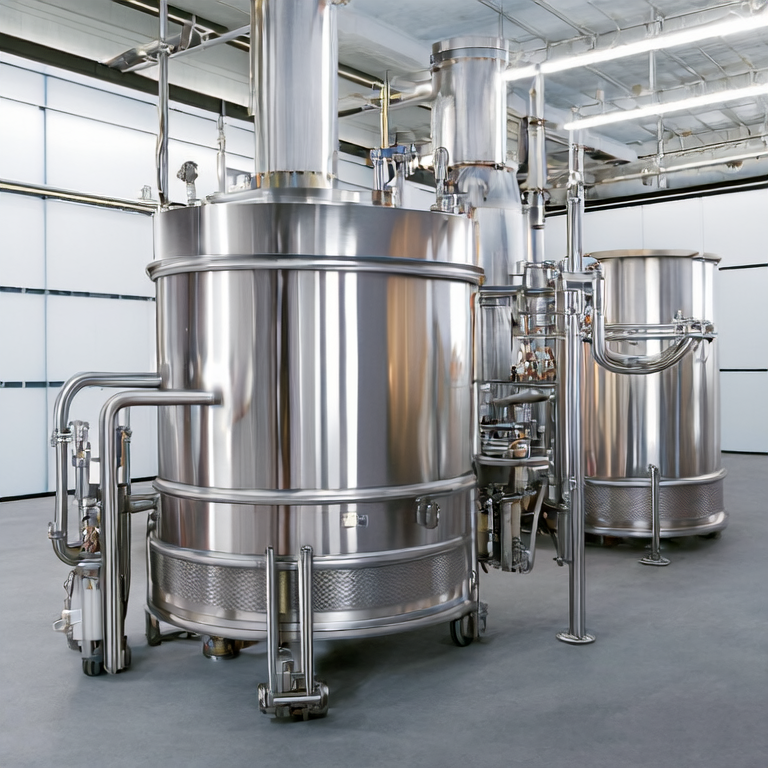
This article will explore the benefits and drawbacks of various stainless steel grades in commercial brewhouse manufacturing. A good choice of materials leads to better fermentation, improved durability, and overall efficiency.
Summary Answer
The best stainless steel grades for a commercial brewhouse are 304 and 316 due to their corrosion resistance and strength.
Subheadings
-
1. Overview of Stainless Steel Grades
Stainless steel is classified into different grades based on its composition and properties. Common grades include:
- 304: Commonly used for its balance of strength and corrosion resistance.
- 316: Offers higher corrosion resistance, especially in marine environments.
- 430: Less expensive but also less resistant to corrosion.
-
2. Benefits of Using Grade 304 Stainless Steel
Grade 304 stainless steel is widely used in commercial brewing. It provides:
- Good corrosion resistance.
- Ease of cleaning, which is vital for maintaining hygiene.
- Strength and durability, reducing maintenance needs.
-
3. Advantages of Grade 316 Stainless Steel
Grade 316 stainless steel is a premium choice due to its properties:
- Increased resistance to corrosion in harsh conditions.
- Better durability compared to grade 304.
- Commonly used in brewing equipment exposed to high levels of salt or chemicals.
-
4. Considerations for Using Grade 430 Stainless Steel
While cheaper, grade 430 has drawbacks:
- Lower corrosion resistance compared to grades 304 and 316.
- Less suitable for long-term exposure to moisture.
- Best for equipment not in direct contact with corrosive substances.
-
5. Cost Comparison
Stainless Steel Grade Corrosion Resistance Price (per kg) 304 Moderate $2.00 316 High $3.00 430 Low $1.50
Conclusion
In conclusion, selecting the right stainless steel grade is vital for anyone investing in a 300L-1000L brewhouse. Grades 304 and 316 offer significant advantages in durability and corrosion resistance. Understanding these differences ensures that brewers can make informed decisions. This knowledge is essential for quality brewing and longevity of the equipment.
FAQ
- 1. What is the best stainless steel for a brewhouse?
- The best options are grades 304 and 316 due to their strong corrosion resistance.
- 2. Why is corrosion resistance important?
- Corrosion resistance helps maintain the quality of the beer and extends the life of the equipment.
- 3. Is grade 430 suitable for brewing?
- Grade 430 can be used but is less effective in moist conditions compared to 304 and 316.
- 4. How much does stainless steel cost?
- The price varies based on the grade, with 304 around $2.00 per kg and 316 approximately $3.00 per kg.
- 5. Can I use different grades for different parts of the brewhouse?
- Yes, using different grades based on specific needs can optimize performance and cost.
News
-
-
Sticky sugars and pulp in juice lines require precise thermal management to prevent caramelization during cleaning. This specialized Semi-Automatic CIP system is optimized for high-viscosity residues....
READ MORE -
Precision in finished beer volume and CO2 levels is non-negotiable for commercial packaging. This Brite Beer Tank is equipped with a high-accuracy sanitary level gauge and a precision carbonation ston...
READ MORE -
Processing high-viscosity materials like syrup often leads to significant energy loss and slow heat-up times in uninsulated tanks. Our Insulated Jacketed Tank solves this by integrating a dual-layer t...
READ MORE -
In the era of Industry 4.0, real-time data is essential for supply chain efficiency. Our Weather-Proof Stainless Steel Silos are sophisticated outdoor systems equipped with advanced automated level co...
READ MORE -
In biotechnology and vaccine production, the slightest microbial contamination can lead to catastrophic batch failure. Our GMP Standard Buffer Tank solves this through a dead-leg-free, self-draining d...
READ MORE
YME Equipment
-
Quick Links
Home Products About Solution Service News Contact -
Products Category
Mixing Tanks Storage Tanks Fermentation Tanks Brewing Equipment CIP Cleaning Systems Pasteurizers Beverage & Dairy Turnkey Solutions
Latest Updates
-
-
Welcome To Visit Us
No. 15 Yinghua Road, Chengdong Industrial Park, Daxu Town, Xiangshan County, Ningbo City, Zhejiang Province, China -
Call Us
• Mob: +86 0574 6583 9268 -
Contact Us Online
• info@ymeequipment.com
Copyright © YME Equipment Co., Ltd. All Rights Reserved.
OEM/ODM Fluid Process Equipment Manufacturer
Brewery Equipment Supplier
